

Yen vs. Dollar: The Bank of Japan's Tightrope Act Keeps Markets Guessing
Wednesday, November 20, 2024
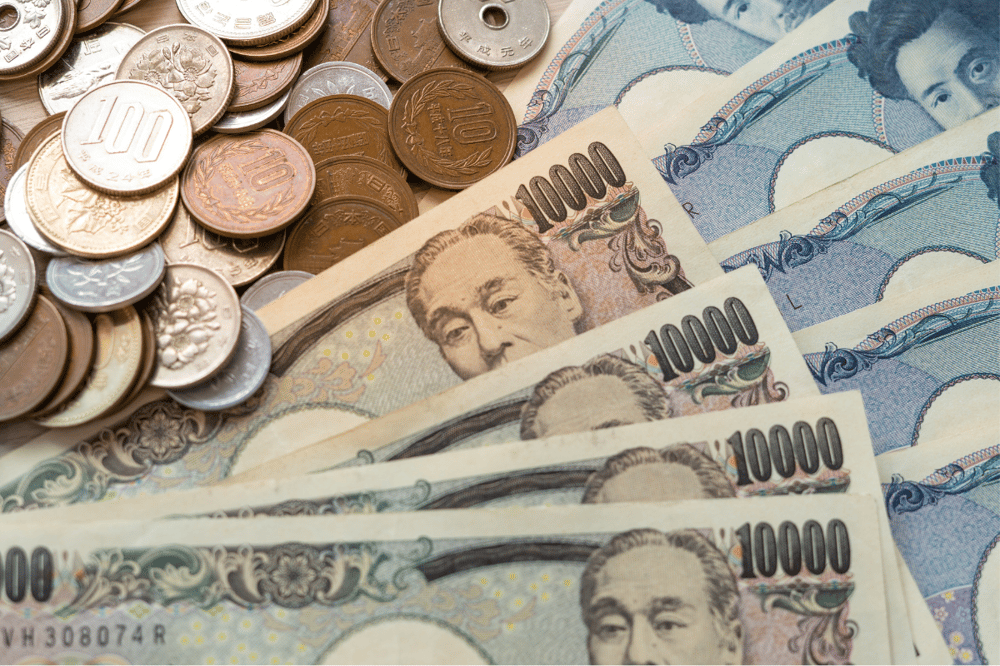
The ongoing tug-of-war between the yen and the dollar reflects a larger geopolitical and economic narrative: uncertainty is the currency of the day, and the Bank of Japan (BOJ) seems to be its most unpredictable player. Let’s break down the situation.
A Dollar Bull Run with a Side of Yen Weakness
The U.S. dollar has been basking in the glow of high Treasury yields and market bets that U.S. rate cuts will be more restrained than anticipated. But in the yen’s corner, the BOJ is dabbling in the art of mixed signals. Governor Kazuo Ueda’s recent remarks hinted at the possibility of tighter monetary policy—but left the timeline as hazy as a Tokyo fog.
For context, Japan’s last surprise rate hike in July sent shockwaves through markets, and traders clearly haven’t forgotten. By keeping its cards close to the chest, the BOJ is fostering speculation and, in the process, a weaker yen. On Monday, the dollar climbed 0.17% against the yen, reaching 154.6—a reflection of the BOJ’s reluctance to definitively commit to near-term rate adjustments.
Hawks, Doves, and Market Guesswork
Ueda’s insistence that inflation driven by wages is within reach has done little to solidify expectations. Markets are pricing in a 54% chance of a quarter-point hike at the December 19 meeting—essentially a coin toss. The lack of clarity is unnerving for traders who crave predictability, especially after Finance Minister Katsunobu Kato’s stern warnings about potential intervention to curb "excessive" yen moves.
Marc Chandler of Bannockburn Global Forex sums up the frustration: “The BOJ didn’t prepare the market for its next move,” which amplifies volatility and casts doubt on Japan’s policy direction.
The Broader Picture
The dollar’s strength isn’t just about Japan’s indecision. In the backdrop, U.S. Federal Reserve Chair Jerome Powell is preaching patience on rate cuts, while concerns about inflation and trade tariffs under the Trump administration add further support to the greenback. Elsewhere, the eurozone is fretting over potential U.S. tariffs, dampening growth prospects in Europe and making the dollar an even more attractive haven.
What’s Next for the Yen?
The yen’s immediate future is tied to the BOJ’s ability—or willingness—to clarify its stance. If Japan hikes rates in December, it could reverse some of the yen’s recent losses. But if the BOJ continues its tightrope act of signaling without action, the dollar’s dominance could persist. Intervention by Japanese authorities to stabilize the yen also remains a wildcard.
For now, the yen’s story is one of “what ifs,” while the dollar, buoyed by economic resilience and strategic policy ambiguity, maintains its upper hand. Whether this dynamic shifts depends on how Japan decides to wield its monetary policy—and how much patience the markets have left.
© Copyright 2024. All Rights Reserved.
© Copyright 2024. All Rights Reserved.