

Yen Plunges to 40-Year Low – What It Means for Asia-US Trade
Thursday, July 02, 2026
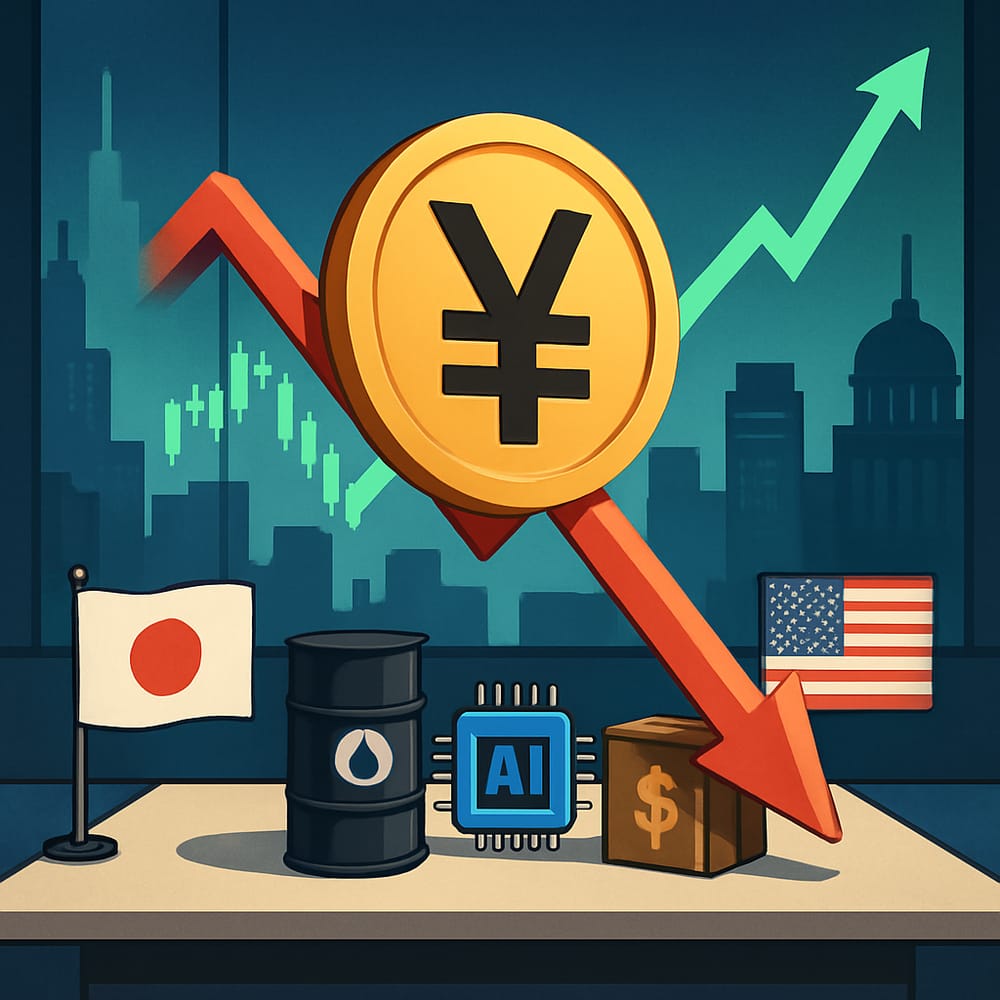
YEN PLUNGES TO 40-YEAR LOW – WHAT IT MEANS FOR ASIA-US TRADE
The Japanese yen has taken a nosedive, hitting its weakest point since 1986. If you're thinking, "So what?" allow me to decode this currency conundrum and why it's got international trade aficionados buzzing and U.S. exporters biting their nails.
PICTURE THIS: THE YEN'S WEIGHT-LOSS JOURNEY
Imagine the yen as a contestant on a weight-loss reality show — it just shed some serious pounds, or in this case, value. Now, a weaker yen means that Japanese goods are cheaper for the rest of the world to buy. Great news if you’re in Japan’s export business! A bargain is a bargain, after all. But there’s another side to this yen diet that's got American manufacturers sweating.
THE RIPPLE EFFECT IN U.S. MARKETS
When Japan pulls this kind of move, American companies that love sending their products across the Pacific start feeling a bit seasick. U.S. exporters must contend with their goods looking more expensive compared to the shiny new yen-priced competitors. This is especially poignant for sectors like autos and industrials, which have solid stakes in the Asian market. It means more hustle for less muscle when it comes to maintaining market share.
But let’s not jump ship just yet. This dip in the yen is not all doom and gloom. For U.S. consumers, everything from Japanese cars to electronics just became a bit friendlier on the wallet. Imagine snagging a sleek Japanese car for less — that's the kind of math everyone loves.
RISKS OF INTERVENTION: WALK LIGHTLY
Now, with all this whirlwind of change, you might wonder if Japan might step in to prop up the yen. It's not off the table, but it's risky business. Currency intervention could stir up international tensions and even draw the watchful eye of the Federal Reserve.
Speaking of the Fed, Chairman Kevin Warsh—let's call him the Fed's "zen master"—might avoid direct commentary on currency matters. Still, his thoughts on inflation are loud and clear. High inflation could mean the Fed keeps interest rates high, which could lead to more international spillover effects. It’s a global game of dominoes, and no one wants to be the piece that tips the lot.
HEDGE YOUR BETS: NAVIGATING FX RISK
So, what’s a savvy investor to do? First, keep calm and consider hedging against currency fluctuations. A hedge is like an insurance policy for your investments — it doesn’t come cheap, but it can be a lifesaver when markets are in turmoil.
In the world of currency trading, contracts like futures and options can help you lock in currency prices, protecting you from unexpected swings. It’s akin to buying that extra warranty on your favorite gadget — a little peace of mind goes a long way.
THE BIGGER PICTURE
While the Japanese yen’s current low might seem like a ripple in a pond, the ripple can become a wave affecting everything from your next car purchase to multinational earnings reports. For U.S. automakers and industrial businesses, the pressure is on to remain competitive abroad.
Ultimately, keep an eye on the unfolding story. The yen’s value could shift based on a myriad of factors, from Japanese domestic policy to U.S. interest rates. And while a weak yen might not revolutionize the global economy overnight, it's a clear signal that change is always on the horizon.
BOTTOM LINE
So, what have we learned? Currency fluctuations like the yen’s recent plunge are a part of the global economic tapestry. They bring challenges and opportunities alike. For those with their eyes set on international trade, whether as investors or just everyday consumers, staying informed is key. Keep your ear to the ground and your investment strategies as flexible as a seasoned yoga instructor.
In the end, remember: Whether you’re trading stocks or simply shopping, timing and knowledge are your best allies. The yen might be down, but savvy investors never are.
This article is for informational purposes only and is not investment advice. Always do your own research or consult a licensed financial professional before making investment decisions.
© Copyright 2024. All Rights Reserved.
© Copyright 2024. All Rights Reserved.