

Wholesale Inflation Slows, Paving Path for Consumer Relief
Monday, August 17, 2026
WHOLESALE INFLATION SLOWS, PAVING PATH FOR CONSUMER RELIEF
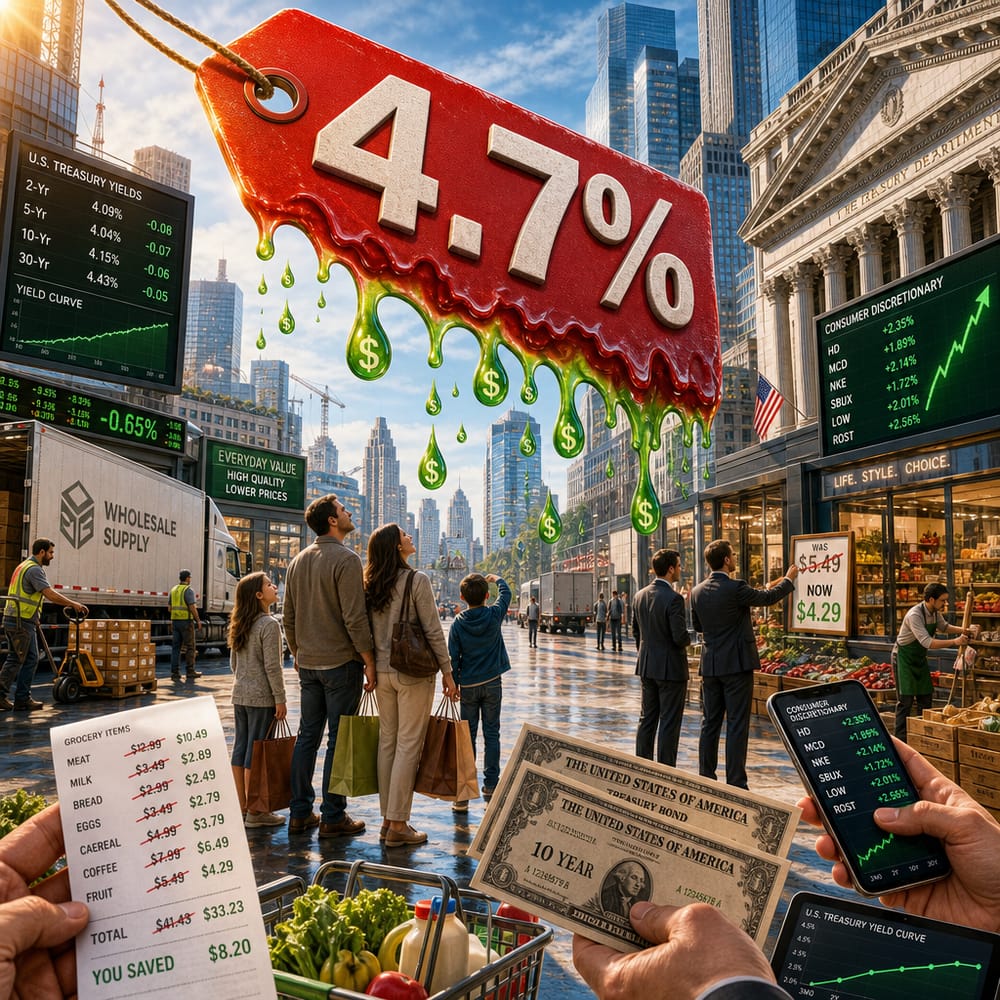
Inflation: the dreaded word that keeps making its way into our conversations, our shopping carts, and our wallets. But wait — there might be a sliver of good news emerging from the economic horizon. Wholesale inflation took a chill pill, dropping to 4.7% year-over-year in July, and that could mean some much-needed relief for consumers in the coming months.
Let's break it down. Wholesale inflation is like the dress rehearsal for the retail inflation performance. When producers start seeing their costs stabilize or even decrease, there's a good chance that these savings will trickle down to you and me. Think of it as the economic version of the butterfly effect: a flutter in wholesale changes might just lead to a price drop at your local grocery store.
So, what's causing this cool-down in wholesale inflation? One word: balance. The supply chain is finding its footing again post-pandemic, and energy prices have calmed their rollercoaster ride. It's all about supply and demand finally doing their intricate dance without stepping on each other's toes. Fewer supply chain snarls mean less pressure on producers, who might just pass those savings onto retailers. And if retailers are paying less, they might not need to charge as much. Fingers crossed.
But let's not pop the champagne just yet. The journey from wholesale to consumer prices isn't always a direct route. Sometimes, those savings mysteriously vanish into the business ether. And while your milk and bread might not cost you a small fortune soon, other sectors might not get the memo quite as quickly.
The ripple effect of cooling wholesale prices could also influence consumer spending. When prices stabilize or shrink, consumers tend to loosen their grip on their wallets, leading to a broader economic boost. Think of it like a retail therapy session for the nation — less stress over rising prices means more room for discretionary spending, be it on that new gadget you've been eyeing or a spontaneous weekend getaway.
Now, let's talk about the elephant in the room: the Federal Reserve. The Fed has been on a rate-raising spree, trying to tame inflation like a cowboy wrangling a wild bull. If wholesale prices keep cooling, it gives the Fed some breathing room to maybe — just maybe — ease up on the rate hikes. After all, their ultimate goal is to control inflation without throwing the economy into a tailspin. If inflation looks to finally be mellowing out, they might decide that it's time to take a more relaxed stance.
This could turn into a symphony for investments too. Consumer discretionary stocks — those companies crafting the nice-to-haves rather than the must-haves — might see a boost if consumers start spending more. Meanwhile, U.S. Treasury bonds, which have been feeling the heat from rising interest rates, might get a breather if the Fed pauses its rate-hiking ways.
But nothing in economics is ever as simple as it seems. Geopolitical tensions, like the kind we’re seeing with the U.S. and Iran, can send energy prices into a tizzy, and global events often have a sneaky way of crashing our domestic party. Plus, with legal fights brewing for giants like Meta and technological competition heating up between powerhouses like Alibaba and Meta, the macroeconomic landscape is as unpredictable as ever.
So, what should you, the everyday investor, take away from this? Keep a keen eye on how these wholesale numbers translate into consumer prices and Fed policies. If the Fed holds back on rate hikes, it could be a green light for some sectors to shine. A savvy investor might find it worth their while to consider consumer discretionary stocks or re-evaluate their bond positions.
Wholesale inflation taking a break could be the calming breeze the economy needs right now. But as always, be ready for the unexpected and keep your portfolio as well-balanced as a tightrope walker. After all, in the world of investment, the thrill is in the ride, not just the destination.
This article is for informational purposes only and is not investment advice. Always do your own research or consult a licensed financial professional before making investment decisions.
© Copyright 2024. All Rights Reserved.
© Copyright 2024. All Rights Reserved.