

When Wall Street Says Sell: How to Read the Call Without Panicking
Sunday, June 21, 2026
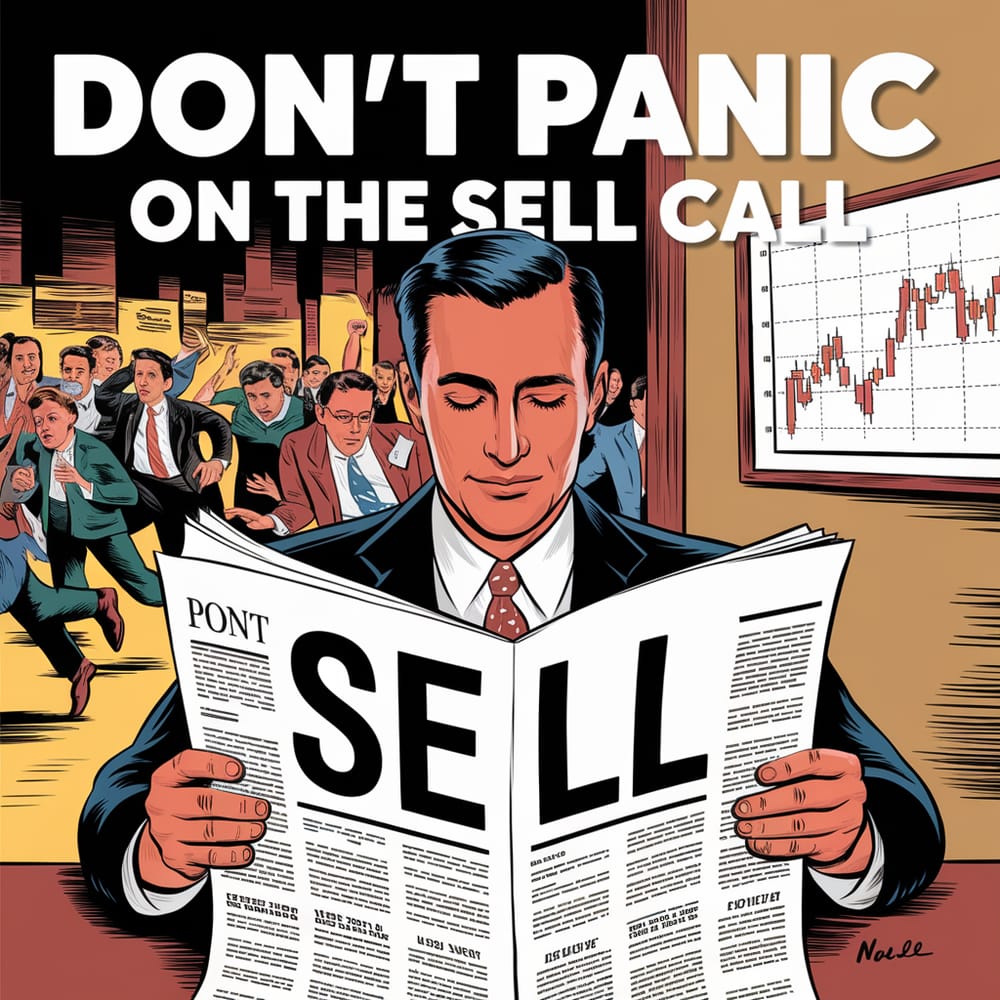
Every month, a fresh batch of stocks-to-sell lists and analyst downgrades hits the headlines. They are designed to grab attention, and they work - nothing spikes the heart rate like seeing a stock you own labeled a sell. But a downgrade is not a fire alarm. Here is how to read one calmly and decide whether it actually means anything for you.
First, Consider the Source
Not all calls carry the same weight. A downgrade from a major firm with a long track record on that name deserves more attention than an anonymous list built for clicks. Ask who is making the call, what their reasoning is, and whether they have been right on this stock before. A headline that just says sell without a clear thesis is noise, not analysis.
Know the Difference: Rating vs. Price Target
A rating change (Buy to Hold, for example) and a price-target cut are two different signals. Sometimes an analyst still likes a company but thinks the stock has simply run too far, too fast - that is very different from thinking the business is broken. Read the actual note, not just the headline word. The reasoning matters far more than the label.
Ask If It Even Applies to You
This is the step most people skip. An analyst writes for a generic investor with a 12-month horizon. You are not generic. If you bought a stock for a five-year thesis and nothing about that thesis has changed, a short-term downgrade may be irrelevant to you. Your time horizon, your cost basis, and your reason for owning it all change what a sell call means.
What a Smart Investor Does Next
When a sell call lands, do not react in the first five minutes. Reread your original reason for owning the stock. Check whether the analyst raised a fact you did not know, or just an opinion you already weighed. If the thesis still holds, sit tight. If the call surfaced something genuinely new and concerning, dig deeper - then decide on your own terms.
The Bottom Line
Sell calls are inputs, not orders. The best investors treat them as one more data point to weigh against their own research, not a command to act. Stay calm, read past the headline, and remember: nobody knows your goals better than you do.
This article is for informational purposes only and is not investment advice. Always do your own research before making investment decisions.
© Copyright 2024. All Rights Reserved.
© Copyright 2024. All Rights Reserved.