

Wall Street Slips as Tariff Threats Turn Greenland Into a Market Risk
Monday, January 19, 2026
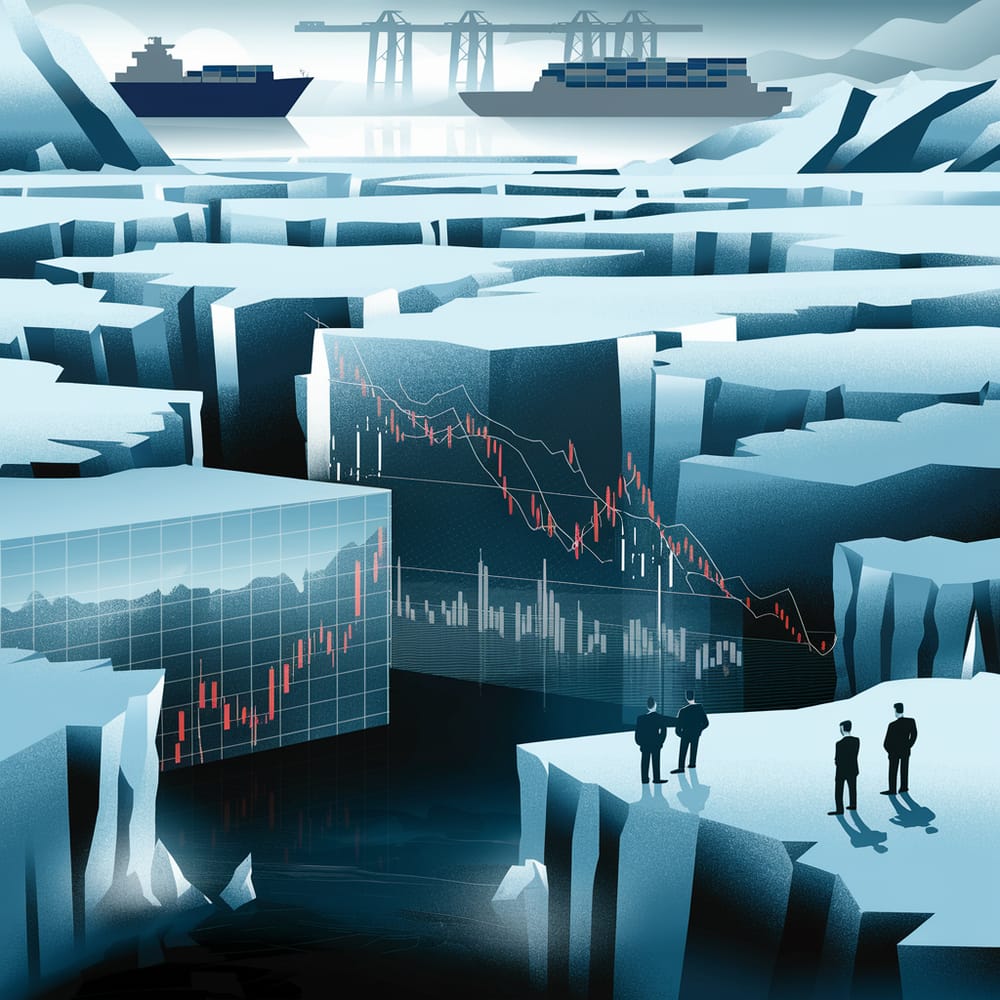
Futures fell before Wall Street even opened
U.S. stock futures slid hard as traders woke up to a fresh jolt of geopolitical tension. The Dow, S&P 500, and Nasdaq all pointed lower after new tariff threats aimed at Europe rattled confidence. With U.S. markets closed for the holiday, futures became the pressure valve—and they released it fast.
Tariffs turned a political dispute into an economic one
The spark wasn’t economic data or earnings. It was a threat to slap additional tariffs on European countries tied to a dispute over Greenland. What might sound like distant diplomacy instantly became a market problem, because tariffs don’t stay theoretical. They hit supply chains, prices, and corporate margins—and investors know that story too well.
Europe felt it immediately
European markets dropped in tandem, with major indexes sliding as officials pushed back hard against the tariff rhetoric. The unusually unified response from U.S. allies underscored the bigger issue: trade tensions aren’t just flaring up, they’re starting to test trust across the Atlantic. That kind of fracture makes global capital more cautious by default.
This wasn’t panic selling—it was repricing risk
The selloff wasn’t chaotic, but it was deliberate. Investors weren’t dumping everything—they were adjusting. When geopolitical cohesion starts looking shaky, money slowly rebalances away from assets that assume stability. That process doesn’t explode overnight, but it can be far more powerful over time.
The message markets sent was clear
This wasn’t about Greenland itself. It was about predictability. Markets can handle bad news, but they struggle with surprise policy threats that come out of nowhere. The early-week slide was Wall Street’s way of saying one thing out loud: trade uncertainty is back, and it’s no longer being ignored.
© Copyright 2024. All Rights Reserved.
© Copyright 2024. All Rights Reserved.