

Wall Street Missed the Rally—Retail Investors Didn’t
Friday, May 02, 2025
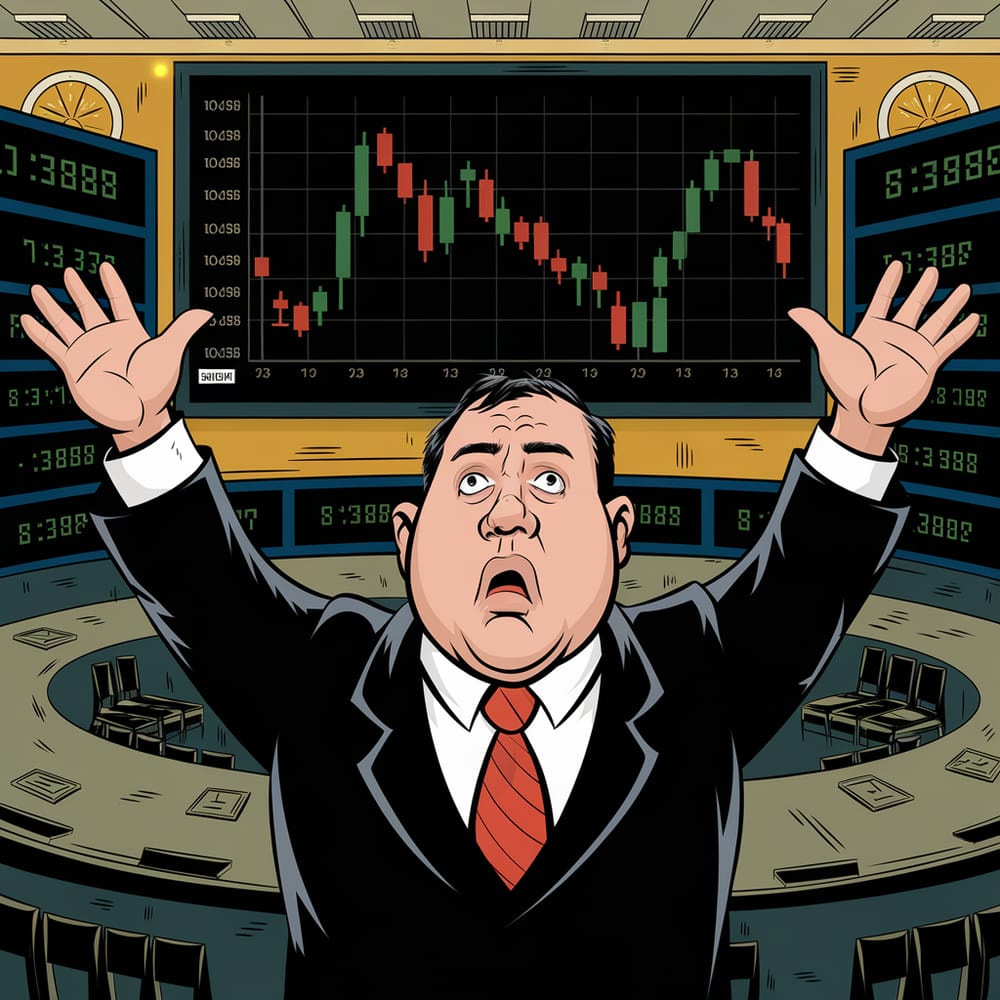
Wall Street got caught sleeping—and Main Street cashed in.
After President Trump triggered a brutal April selloff with new tariffs, stocks have come roaring back. The S&P 500 just wrapped up its strongest eight-day stretch since November 2020, stunning pros who sat on the sidelines while retail traders dove in headfirst.
Big institutions hesitated. According to prime brokerage data, hedge funds and systematic traders stayed cautious, clinging to risk models and waiting for the dust to settle. Meanwhile, everyday investors were scooping up bargains—many piling into leveraged ETFs to amplify the rebound.
And it worked.
Since April 8—the day before Trump backed off some of his tariffs—the S&P 500 has rallied nearly 12%. Leading the charge were heavyweights like Meta and Microsoft, whose earnings jump-started the comeback.
So what changed? On paper, not much. Trump’s tariff pause helped, but the rally was largely technical. Oversold signals like the RSI and MACD pointed to a bounce. Add in a historic Zweig Breadth Thrust and a VIX spike above 50, and the setup was clear—for those bold enough to act.
But many pros missed it. Nomura strategist Charlie McElligott called it "the scenario nobody wanted"—a rally built on momentum rather than fundamentals, forcing latecomers to chase.
To be fair, the rebound hasn’t cleared all danger. The S&P 500 still hasn’t reclaimed its 200-day moving average, and the economic impact of tariffs is still unfolding. Markets could easily whipsaw between recent highs and April lows as investors navigate Fed policy, earnings season, and Trump’s next tweetstorm.
Bottom line:
Retail traders struck first and fast, while Wall Street blinked. In a market ruled by technicals, sentiment, and political headlines, the best gains often go to the bold—not the cautious.
© Copyright 2024. All Rights Reserved.
© Copyright 2024. All Rights Reserved.