

Wall Street Turns on Accenture: Inside the Record Drop and Analyst Downgrades
Friday, June 19, 2026
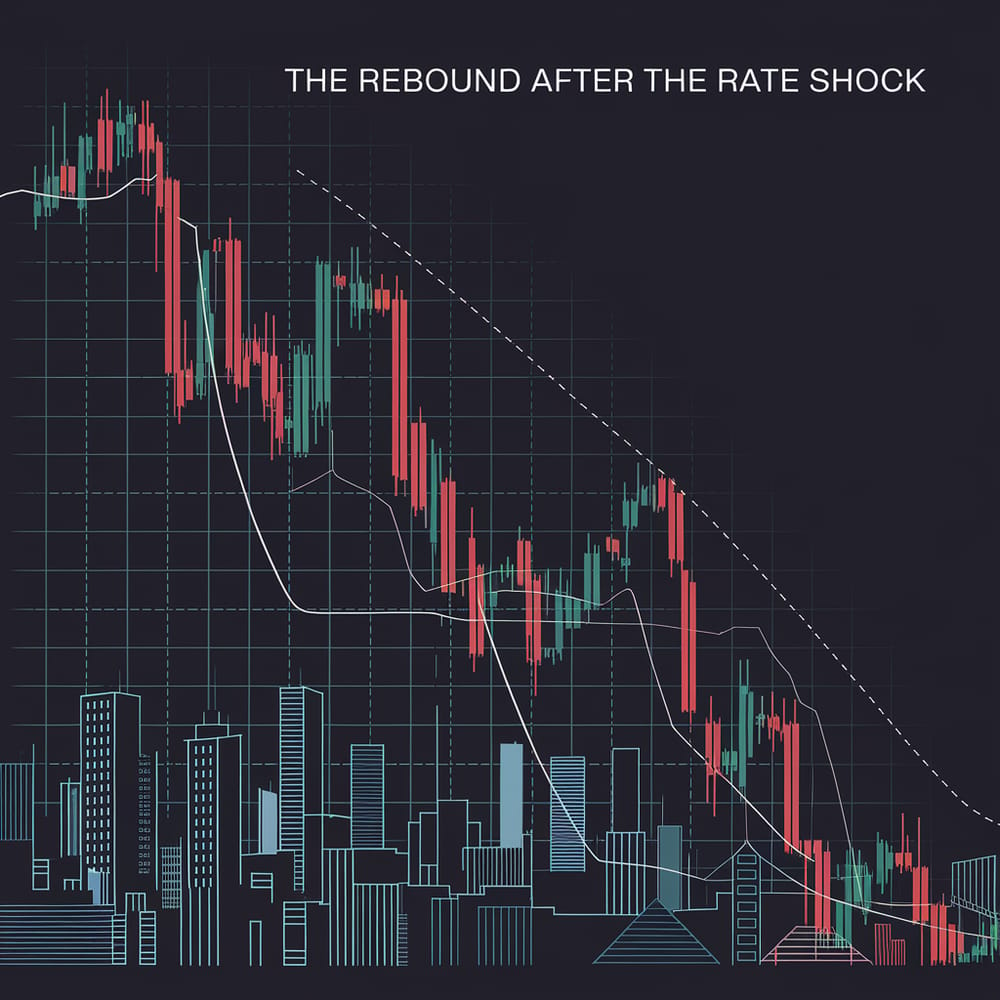
Accenture just had the worst day in its history as a public company. Shares of the consulting giant cratered roughly 16% on June 18 after its fiscal third-quarter report — not because the numbers were a disaster, but because Wall Street decided the story underneath them had changed. The earnings beat. The guidance didn't. And by the next morning, the downgrades were rolling in. For a $180-billion-plus blue chip that investors treat as a bellwether for corporate tech spending, that's a wake-up call worth understanding.
The Numbers Looked Fine — On the Surface
This wasn't a classic earnings miss. Revenue rose 6% to $18.7 billion, and diluted earnings per share climbed 9% to $3.80, beating the $3.71 analysts expected. Operating margin widened to 17%, and cash generation stayed strong. On almost any normal day, a beat like that gets rewarded. Instead, it triggered the biggest single-day sell-off Accenture has ever seen.
Why the Stock Cratered Anyway
The damage came from two places: bookings and guidance. New bookings actually declined year over year — a red flag for a company whose future revenue depends entirely on its pipeline of signed work. Then management guided fiscal fourth-quarter revenue to a range of $17.75 billion to $18.4 billion, below the roughly $18.5 billion Wall Street had penciled in. Full-year local-currency growth guidance was trimmed to 3%–4% from 3%–5%. When a steady-Eddie name suddenly lowers the bar, markets move fast.
The Analyst Downgrades Pile Up
The sell-side reaction was swift. William Blair downgraded Accenture to Market Perform from Outperform, effectively stepping to the sidelines. TD Cowen cut its price target to $313 from $342, and several other firms trimmed their targets too. The common thread: even analysts who still like the long-term story are acknowledging that near-term growth is stalling, and that they had been modeling something stronger.
The AI Paradox at the Heart of It
Here's the twist. Accenture insists AI demand is booming — it pointed to 104 client bookings of $100 million or more so far this year, up 13%, and called out a growing wave of large-scale AI transformation programs. So why the weak bookings? The fear on Wall Street is that AI is becoming a double-edged sword for consultants: it wins big new contracts, but it also lets clients do more with fewer billable hours. The question now is whether AI ultimately expands Accenture's business or quietly eats into it.
What It Means for Your Portfolio
For retail investors, Accenture is more than one stock — it's a read on how confident big companies feel about spending on technology and transformation. A record drop and a clutch of downgrades don't automatically make it a buy or a sell, but they do reset expectations. Some see a quality compounder on sale; others see a business model facing a genuine question mark. The smart move is to watch whether bookings stabilize next quarter before deciding which camp is right.
This article is for informational and educational purposes only and does not constitute investment advice, a recommendation, or an offer to buy or sell any security. Always do your own research and consult a licensed financial professional before making investment decisions.
© Copyright 2024. All Rights Reserved.
© Copyright 2024. All Rights Reserved.