

U.S. Stocks Lose Key Support as Asia’s Retail Dip Buyers Step Back
Tuesday, June 10, 2025
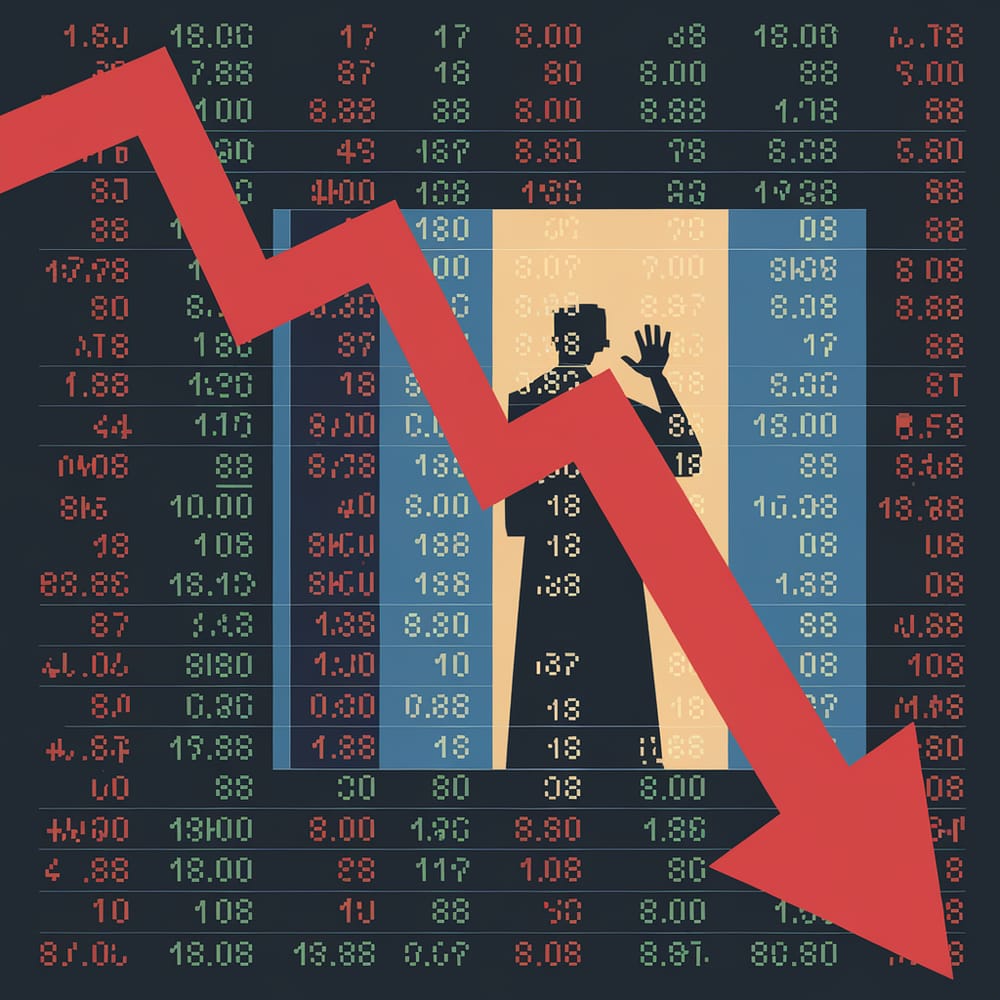
Retail investors across Asia, who rushed to “buy the dip” in early April after President Trump’s sweeping tariffs sparked a U.S. market selloff, are now stepping back—just as the rebound loses momentum.
In South Korea, retail investors became net sellers of U.S. equities in May for the first time since before Trump’s election victory. Japanese retail investors also sold off U.S.-focused ETFs at their fastest pace since April 2023. Meanwhile, the number of Singaporean investors buying U.S. stocks dropped 25% month-over-month, reflecting a broader cooling in enthusiasm.
The S&P 500’s sharp decline in early April—down 12% from April 2 to April 8—was met with aggressive buying from mom-and-pop investors in Asia. But since rebounding over 20%, the index has slowed considerably, gaining less than 1% over the past three weeks. With the easy gains now behind them, many retail buyers appear to be taking profits or simply waiting out the next move.
Some retail traders say they’ve already loaded up on stocks and are in “hold mode.” Others, like those in Singapore, are ready to pounce again—if volatility returns. "If Trump announces anything that tanks the market again, I’ll buy more,” said one investor.
Despite the pullback, long-term sentiment toward U.S. stocks remains strong in the region. American equities continue to outperform most Asian markets, especially in the tech sector. Still, with policy volatility rising and returns slowing, even the most loyal international dip buyers are growing cautious.
Bottom line: Asia’s retail investors helped fuel the U.S. market rebound in April—but with gains flattening and policy risk lingering, many are stepping to the sidelines. The next “buy the dip” moment may depend on whether Trump’s tariffs shake markets again.
© Copyright 2024. All Rights Reserved.
© Copyright 2024. All Rights Reserved.