

US Dollar Inches Up from Two-Month Lows Amid Middle East Risks
Wednesday, August 19, 2026
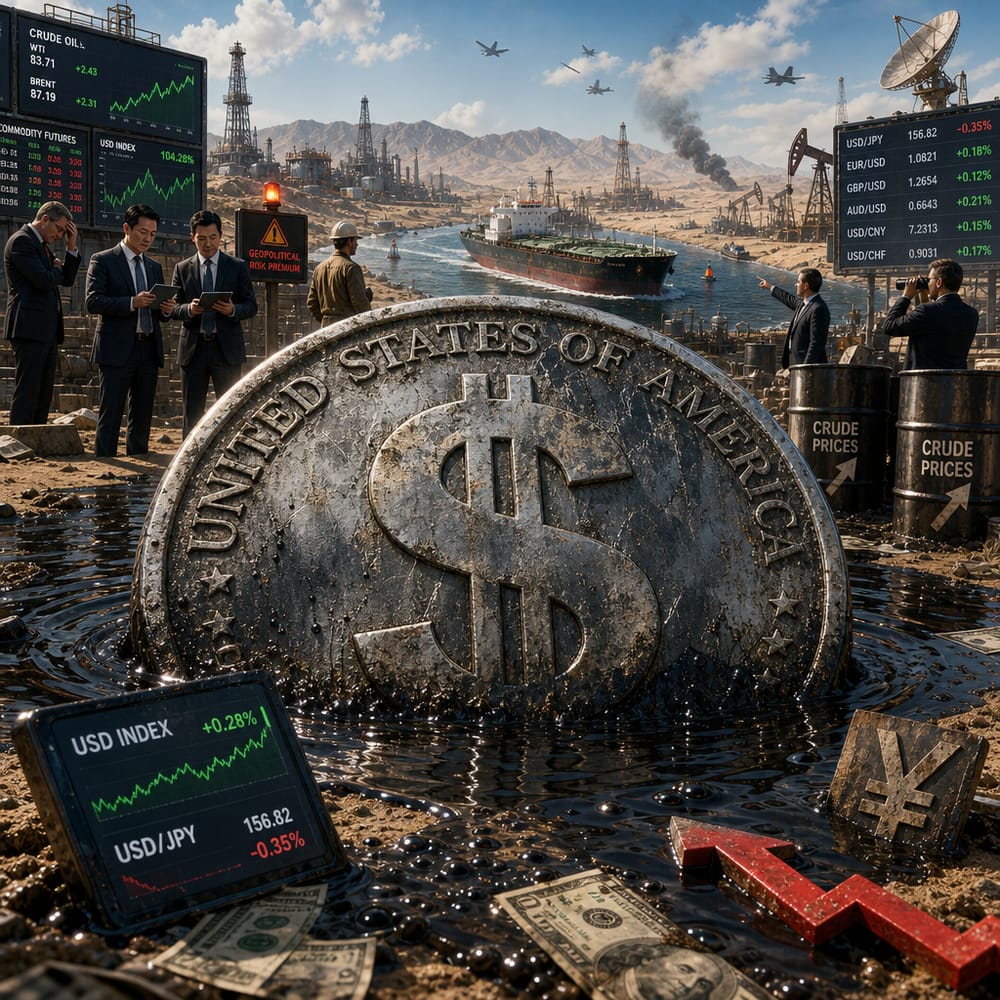
Geopolitical drama, intrigue, and a dash of economic anxiety — sounds like the latest Netflix series, right? But no, this is the current state of the US dollar, which is tiptoeing away from a two-month low and reminding us all that geopolitical tensions are much more than just background noise.
LET'S TALK GEOPOLITICS
The US dollar has been on a bit of a rollercoaster, to put it mildly. Recently, it managed to crawl back from two-month lows. Why the sudden shift? Look no further than the Middle East, where tensions are as high as a cat on caffeine. The United Arab Emirates just announced it's cutting trade with Iran after an alleged missile strike from the latter’s territory. While the missiles seem to have enjoyed a dip in the ocean more than causing any real damage, this kind of regional strife tends to make investors jittery.
The greenback, like a seasoned drama queen, thrives in chaos. When geopolitical tensions rise, investors often flock to safe-haven currencies like the US dollar and the Japanese yen. Think of it as a financial version of running to your comforting friend when things get messy — reliable, stable, and most importantly, safe.
OIL PRICES ARE JOINING THE PARTY
Another player in this economic drama is oil, a resource with significant clout. Due to this geopolitical unrest, oil prices have been playing their own game of leapfrog. The general principle is simple: Middle East tension equals fear over oil supply, which equals rising oil prices. And when oil prices go up, they tend to give the dollar a little boost as well. Why? Because higher oil prices often mean increased demand for dollars, since the little black gold is typically traded in USD.
But it's not just the US dollar feeling the effects. Other currencies tied to commodity prices, like those in oil-rich economies, often feel the ripple effect too. The Canadian dollar, for instance, tends to strengthen when oil prices are on the up and up, given Canada's status as a major oil exporter.
SO, WHAT DOES THIS MEAN FOR YOU, DEAR INVESTOR?
Here's where it gets personal. Investing during times of geopolitical tension can feel like navigating a minefield — uncertainty reigns, and the markets don't always behave the way you'd hope. We're living in a world where geopolitical risks can suddenly shift currency values, impacting your portfolio faster than you can say "diversification."
First, if you're dabbling in forex markets or have investments that are sensitive to currency fluctuations, stay vigilant. Watch those geopolitical headlines like a hawk. Today's political squabble could be tomorrow's market mover.
Second, remember that rising oil prices can affect more than just currencies. They can influence the broader stock market, especially sectors like transportation and manufacturing that are dependent on energy costs. If oil hits the roof, expect these sectors to feel the squeeze.
Lastly, while the US dollar is a popular safe haven, don't forget about the yen. If you're looking to hedge against geopolitical risk, diversifying your currency exposure can be a wise move.
THE TAKEAWAY
We're living in a world where a missile test halfway across the globe can ripple through the global economy like a stone tossed into a pond. While the US dollar is currently enjoying a little boost from the Middle East tensions, investors should consider the broader implications and potential risks.
Keep an eye on those geopolitical developments, understand how they could affect not just the currencies but also the commodities in your portfolio, and remember the power of diversification. With plenty of drama to go around, it pays to stay one step ahead and make sure your investments are ready for whatever the world throws next.
This article is for informational purposes only and is not investment advice. Always do your own research or consult a licensed financial professional before making investment decisions.
© Copyright 2024. All Rights Reserved.
© Copyright 2024. All Rights Reserved.