

UN Slams Trump Tariff Delay for Prolonging Global Instability
Wednesday, July 09, 2025
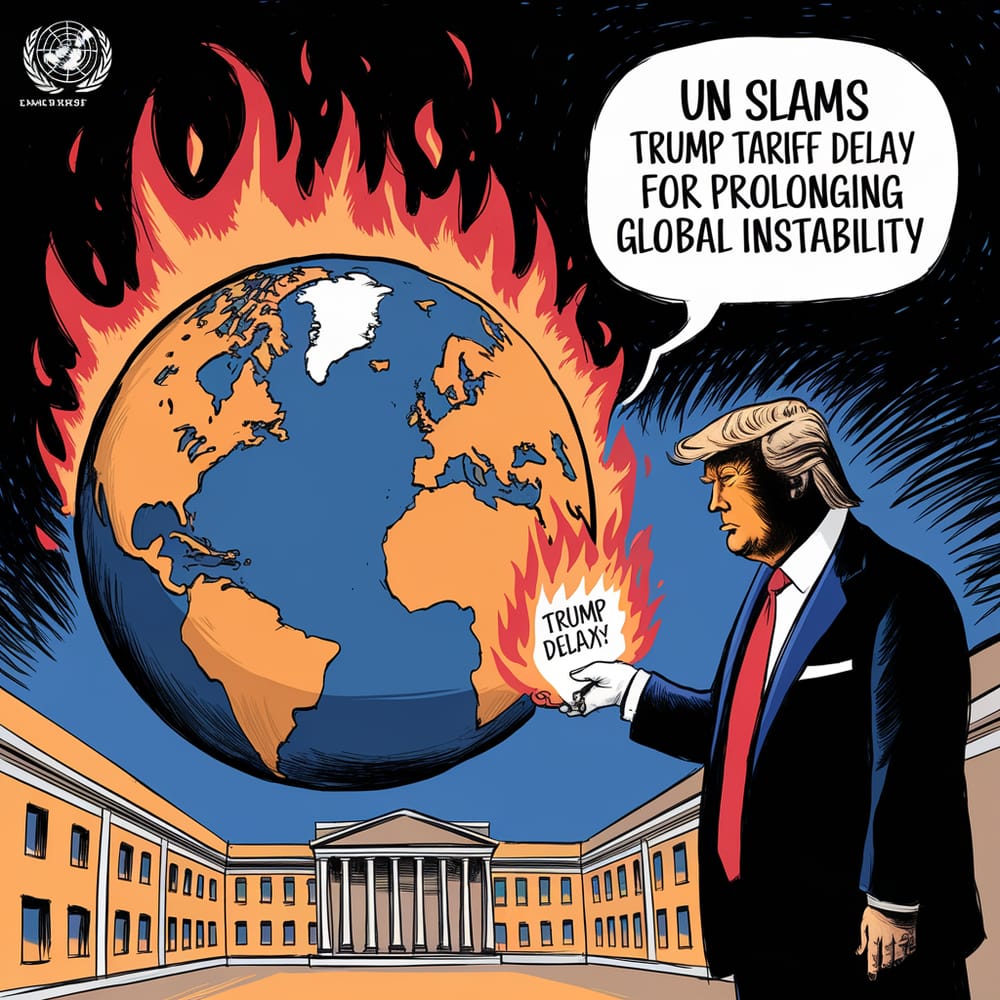
The Trump administration’s decision to push back its new tariff deadline to August 1 may have bought more time for negotiations—but it’s also fanning global economic uncertainty, according to the United Nations trade agency.
Pamela Coke-Hamilton, executive director of the International Trade Centre, said the delay is actually hurting businesses around the world. “This move extends the period of uncertainty,” she said, adding that it’s making it harder for companies to plan, secure investments, or sign long-term contracts.
The new tariff deadline affects 14 countries, including top exporters like Japan and South Korea, as well as smaller economies. If deals aren’t signed by August 1, they’ll face sharply higher tariffs, reigniting trade tensions that have already rocked markets since the White House first launched its global tariff blitz in April.
Investment on Hold
Coke-Hamilton pointed to Lesotho’s textile exporters as a case study in paralysis. Factories there are delaying new investments, waiting to see how the tariff standoff resolves. “If a business is not clear on what costs they’re going to pay, they cannot plan. They cannot decide who will invest,” she said.
But it’s not just uncertainty—it’s a double hit. The tariff turmoil is also combining with deep cuts in development aid, creating what the UN agency called a “dual shock” for developing economies trying to stay afloat.
The Clock Is Ticking
Many countries are scrambling to strike last-minute deals with Washington, hoping to avoid the fallout from August's tariff reset. Trump’s tactic has been to ramp up pressure and force bilateral trade agreements on America’s terms. But the UN warns that dragging out the process is destabilizing, especially for vulnerable economies.
So while the deadline extension might seem like a reprieve, it’s only prolonging the global guessing game—and putting even more strain on international trade and investment.
Bottom line: What’s meant as a negotiation tool is now a global headache. The longer this tariff limbo continues, the harder it becomes for the world’s smaller economies to keep up. The message from Geneva? The uncertainty is doing real damage.
© Copyright 2024. All Rights Reserved.
© Copyright 2024. All Rights Reserved.