

UK Workforce Mystery: Are There More Workers Than We Think?
Monday, November 25, 2024
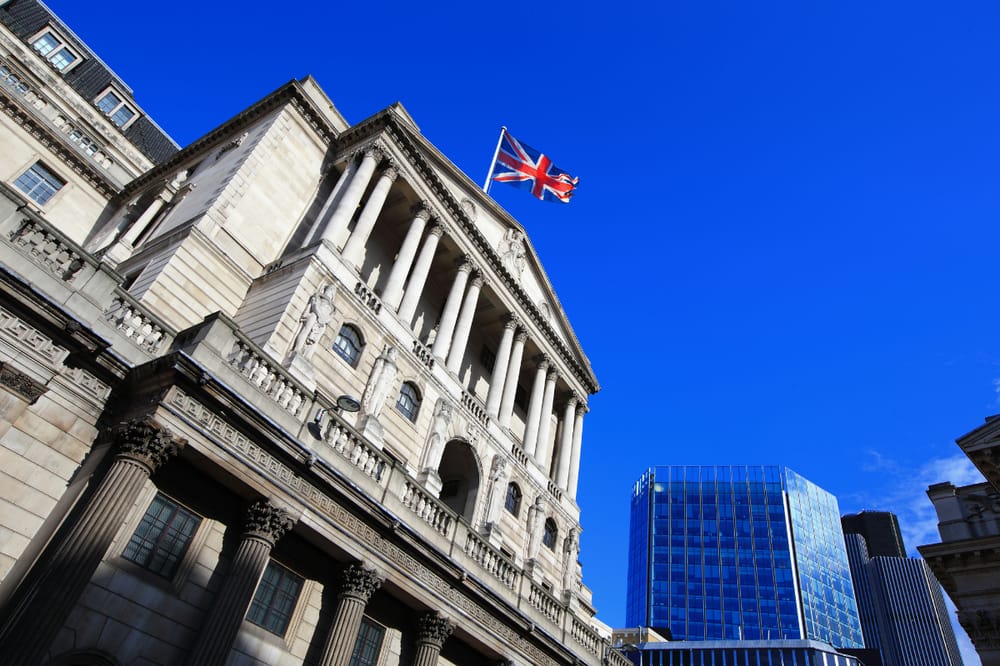
The Bank of England is signaling a twist in the tale of the UK’s labor market. According to Deputy Governor Clare Lombardelli, the actual workforce size might be much larger than official data suggests, potentially overturning fears of an inactivity crisis that has weighed on economic policymaking.
What’s Driving This Reassessment?
Recent analysis by the Resolution Foundation posits that the Office for National Statistics (ONS) may have underestimated UK employment figures by nearly 1 million people. The BOE’s own findings align with this hypothesis, suggesting labor market participation is significantly higher than the bleak post-pandemic narrative.
What Does This Mean for Policymakers?
This revelation reshapes two key concerns:
1. Labor Market Tightness: Officials have struggled to gauge job market dynamics due to declining response rates to ONS surveys. If more workers are active than estimated, the market may not be as constrained as once thought.
2. Productivity Puzzle: Higher-than-expected participation could imply that UK productivity—a longstanding economic Achilles’ heel—is even weaker than previously feared.
Inflation and Interest Rates
While the UK has made "good progress on disinflation," Lombardelli cautioned against premature interest rate cuts. Persistent wage growth and evolving labor market dynamics could keep inflationary pressures alive longer than anticipated.
What’s Next?
If employment is indeed higher, this could reduce pressure on wages and inflation but complicate the narrative around productivity and growth. Policymakers must balance this emerging data with a cautious approach to monetary easing, avoiding missteps that could stoke economic instability.
This recalibration of labor force metrics adds a new layer of complexity to the BOE's strategy, signaling that what’s on the surface might not always tell the whole story.
© Copyright 2024. All Rights Reserved.
© Copyright 2024. All Rights Reserved.