

U.S. Retail Sales Shock Hits Dollar—EUR and GBP Soar
Wednesday, August 19, 2026
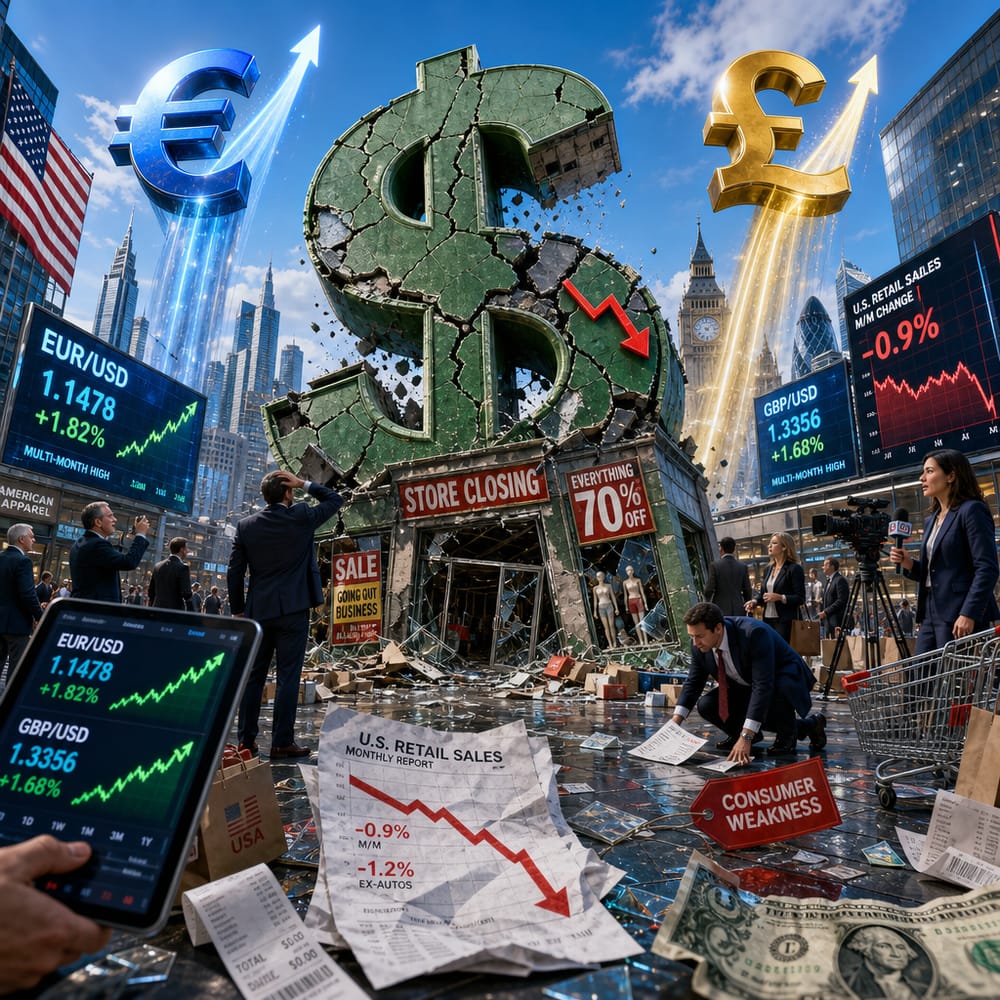
Brace yourselves, folks. The world of currency trading just got a shot of adrenaline, and it's all thanks to an unexpected twist in the U.S. retail scene. Yep, the mighty dollar's been knocked down a peg or two, leaving the euro and the British pound to dance their way to multi-month highs. So, what's going on, and why should you care? Time to buckle up as we dive into this financial rollercoaster.
First things first: let's talk about the bombshell that dropped — the U.S. retail sales figures. Turns out, Americans aren't hitting the stores as hard as expected, and this surprise dip has set off a chain reaction. For starters, it's dealing a blow to the U.S. dollar, that stalwart of global currencies. When Americans start holding back on their shopping sprees, it sends a message that the economy might not be as robust as we'd like to think. And when that message lands, investors get jittery, and the dollar takes a dive.
While the greenback is doing the limbo, our European pals are doing a little celebratory shuffle. The euro has pounced on the opportunity, climbing to levels it hasn't seen in months. The British pound isn't lagging far behind, also riding the wave of dollar weakness. If you're planning a European getaway, now might be the time to lock in those exchange rates.
So, what's behind the retail slump? It could be a cocktail of factors — inflation fears, a cautious consumer base, or even just folks tightening their belts after a spending spree. Whatever the reason, it's enough to make the Federal Reserve sit up and take notice. With the Fed always on high alert for signs of economic wobbles, this retail dip could influence their next moves on interest rates. If the economy shows signs of cooling off, the Fed might hold back on hiking rates, which would keep borrowing costs lower for a while longer.
But wait, there's more to this story. The ripple effects of the retail figures don't stop at currency markets. They're also a wake-up call for those watching other economic indicators like a hawk. Investors will be keeping a close eye on upcoming data points, such as employment numbers and consumer confidence reports. Any more signs of a slowdown could add to the pressure on the dollar and could even influence sectors outside the currency realm, like stocks and bonds.
And let's not overlook the international angle. With the dollar's grip loosening, it opens the door for other global players to flex their muscles. For countries whose currencies are pegged to the dollar, this drop could affect their own economic strategies and trade balances. It’s all interconnected, like a giant financial game of Jenga, and right now, the dollar's the piece that's wobbling.
For the everyday investor scrolling through this on your phone, here's the bottom line: the world of currency trading is as dynamic as it gets. Unexpected news like this can sway markets in a heartbeat, impacting everything from your travel plans to the price of imported goods. It's a vivid reminder of just how sensitive the dollar is to domestic economic news and how its ripple effects are felt worldwide.
So as we wait to see how this unfolds, keep your eyes peeled for those economic indicators. They might just hold the next clue in this global currency saga. And who knows, maybe the next big surprise is just around the corner. Until then, this financial soap opera continues — and you won't want to miss the next twist.
This article is for informational purposes only and is not investment advice. Always do your own research or consult a licensed financial professional before making investment decisions.
© Copyright 2024. All Rights Reserved.
© Copyright 2024. All Rights Reserved.