

U.S. Labor Market Reverses—23,000 Jobs Lost in July Amid Participation Slump
Tuesday, August 11, 2026
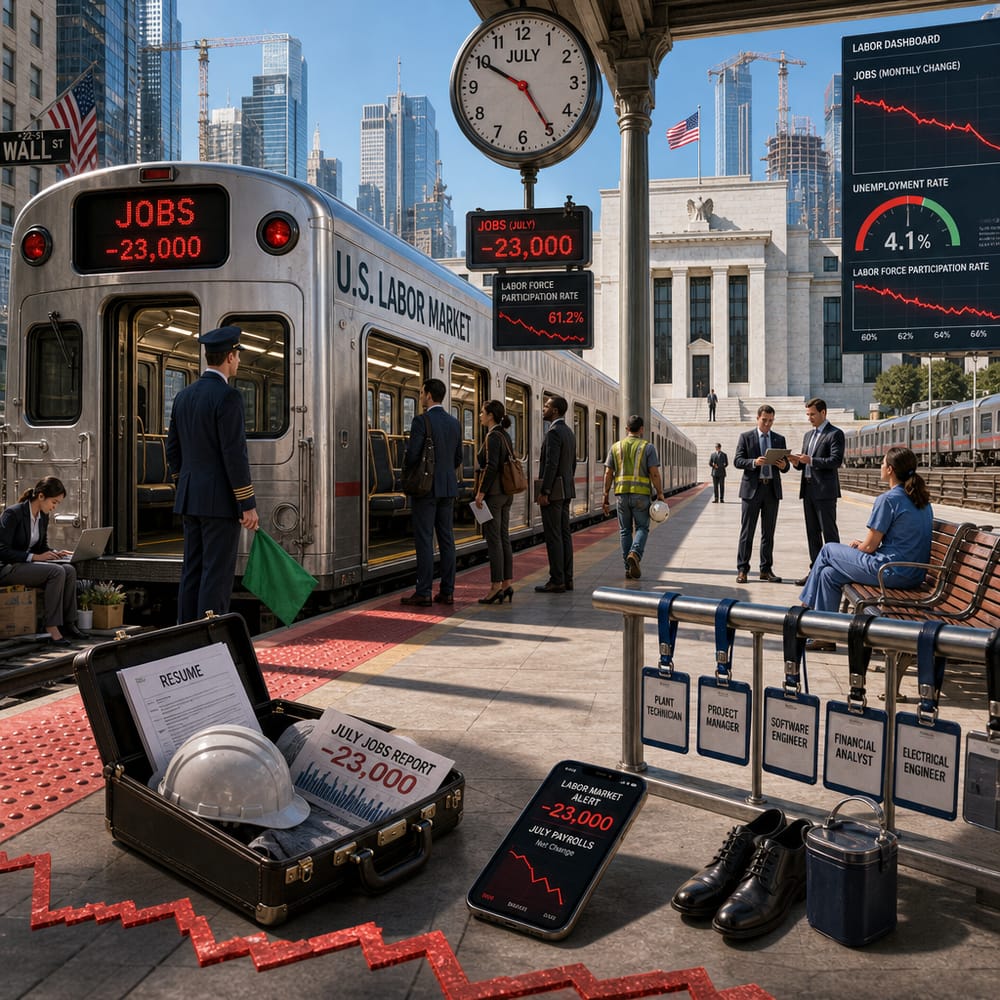
The U.S. labor market just pulled a Houdini, disappearing 23,000 jobs in July without warning. Yes, you read that right. For the first time since February, the job count slipped into the negative, catching everyone from armchair economists to Wall Street suits off guard. But wait, before you start packing your bags for the nearest doomsday bunker, let’s unwrap what’s going on behind the curtains.
First things first: the unemployment rate. It’s now down to 4.1%, but before you break out the champagne, know that this is not because more people are working; it’s because fewer people are even trying to find a job. Labor force participation, the percentage of people working or looking for work, dropped. So, fewer people are job-hunting, which makes that unemployment number look better than it should. It's like skipping leg day and still telling everyone you're in great shape.
So why the sudden job vanishing act? Several factors could be in play here. The U.S. economy has been on a sugar high of rate hikes from the Federal Reserve trying to cool inflation. Those interest rate increases make borrowing more expensive, which can slow business expansions and hiring. Add a sprinkle of global economic uncertainties—hello, fluctuating oil prices and geopolitical tensions—and you’ve got a recipe for hesitation in the job market.
And speaking of the Fed, this unexpected job dip is bound to get some furrowed brows in their next meeting. They’ve been walking a tightrope, trying to tame inflation without snuffing out economic growth, and this might just be the nudge that makes them rethink their tightrope act. Will they ease off on interest rate hikes? Or will they hold steady, waiting to see if this is just a blip or a trend? Either way, their decision will ripple through everything from your savings account interest to those mortgage rates you've been eyeing.
Now, let’s talk about what this means for the economic road ahead. If job losses continue, consumer spending—the fuel for about 70% of the U.S. economy—could start sputtering. People tighten their wallets when they’re worried about job security, and that could slow economic growth. However, if the Fed decides to pump the brakes on rate hikes, we might see businesses regain their appetite for expansion and hiring. It’s a delicate game of economic Jenga, and right now, every move counts.
In the long run, this could be a wake-up call for sectors that have been riding high. Tech companies, for instance, have been gobbling up talent like there’s no tomorrow, driven by the insatiable demand for AI and tech infrastructure—as evidenced by Nvidia's Jensen Huang and his ambitious AI plans. But if the job losses become a trend, even these tech titans might need to reassess their hiring strategies.
For retail investors, the message is clear: buckle up. Keep an eye on the Fed’s next moves and be ready for potential market volatility. Assess your portfolio to ensure it’s not overly reliant on sectors that might take a hit if consumer spending slows down or if interest rates remain high.
In summary, while July’s job numbers might seem like the sky is falling, it’s more like the sky is having a bit of a cloudy day. The next few months will be crucial in determining whether this is just a passing storm or the start of something bigger. So, keep your eyes peeled, stay informed, and as always, invest wisely. After all, in the world of finance, there’s no such thing as a dull moment.
This article is for informational purposes only and is not investment advice. Always do your own research or consult a licensed financial professional before making investment decisions.
© Copyright 2024. All Rights Reserved.
© Copyright 2024. All Rights Reserved.