

U.S. Dollar Softens Amid Cooling Economic Data
Thursday, August 20, 2026
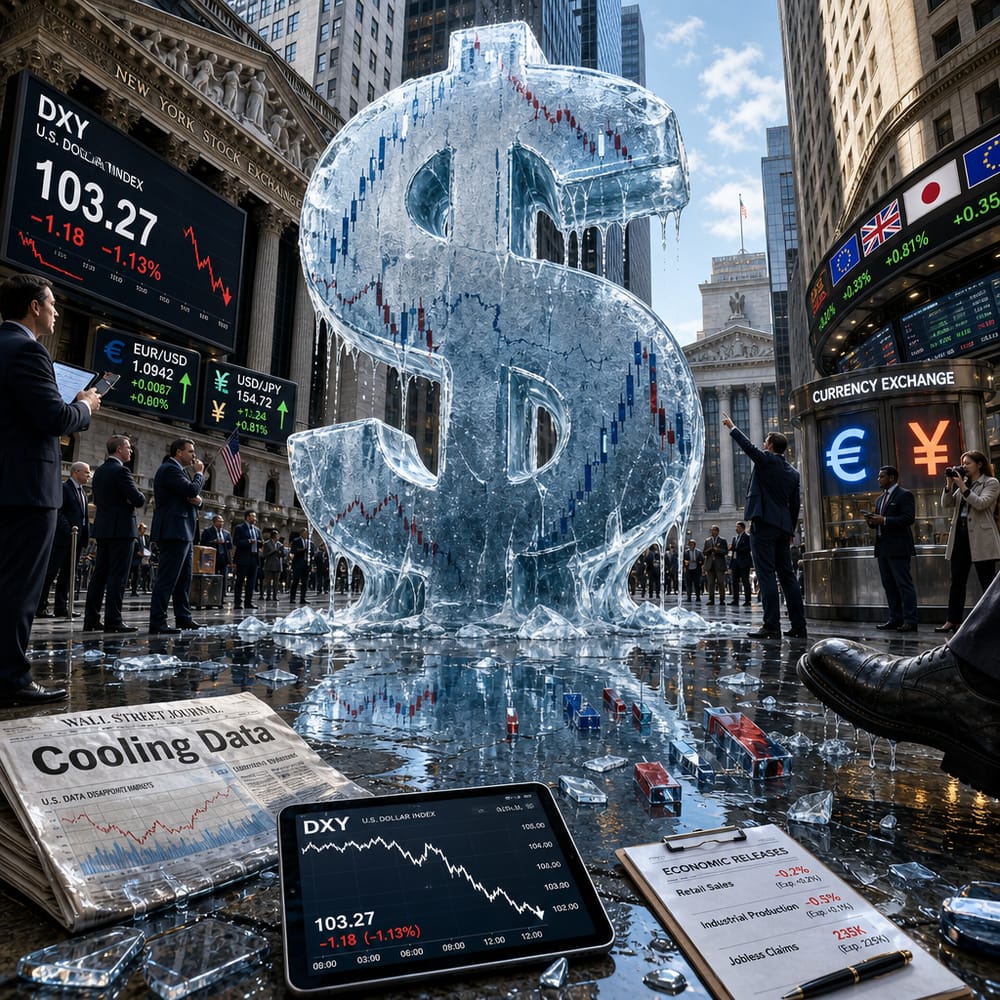
THE U.S. DOLLAR'S SOFTER SIDE: WHAT YOU NEED TO KNOW
If you’ve been keeping an eye on your wallet’s international escapades, you might have noticed something amiss with the U.S. dollar. After flexing its muscles for the better part of the past year, the dollar is starting to show signs of a little R&R—not rest and relaxation, mind you, but retrenchment and retreat. And just like that, a wave of recent economic data is whispering to the greenback, “Take a breather, buddy.”
So, what’s behind this dollar downtrend? Recent stats have been painting a less-than-stellar picture of the U.S. economy, at least compared to the high-flying expectations. Think of it as the economic weather report predicting clear skies, but instead, a few storm clouds are gathering. Inflation has been cooling off, and retail sales haven’t exactly been setting the world on fire. Plus, the U.S. GDP growth is doing its best impression of a snail. All of these have got traders and investors rethinking their love affair with the dollar.
WHY IT MATTERS
Now, you might be wondering why this dollar softening should matter to you if you’re only planning your next grocery run. Here’s the deal: the U.S. dollar is like the grand maestro of the global trade orchestra. When it falters, it can send a ripple across the world stage. For U.S. investors, a weaker dollar means that any investments abroad could have a bit more oomph, thanks to more favorable exchange rates. But it also means that imports might become costlier, as your dollars suddenly don’t stretch as far.
THE IMPORT-EXPORT DANCE
Let’s break down the import-export tango. A weaker dollar might not sound like fun for your wallet, but U.S. exporters couldn’t be happier. Suddenly, American goods become more attractive on the international market because they’re now cheaper for foreign buyers. So, who’s dancing? Think of sectors like agriculture and manufacturing—they’re likely to be twirling around with glee.
On the flip side, anything we import could start putting a little more pressure on our pockets. Electronics, cars, or that sneaky avocado that’s not local—all could see price hikes. Just when you thought inflation was easing, here come the imports to keep life interesting.
RISKS AND OPPORTUNITIES FOR INVESTORS
For investors, a softer dollar can seem like a double-edged sword. On one hand, investing in international stocks or funds when the dollar is weak can be a strategic move. After all, when you convert back to dollars, you might end up with more than you bargained for. But a weaker dollar can also mean increased volatility in the markets, as traders around the world adjust their positions.
That said, some sectors could stand to gain. Tech companies with a significant international presence might find their overseas earnings looking quite rosy when exchanged back to dollars. But watch out for sectors heavily reliant on imports—they could face tighter margins.
A FINAL WORD
As the dollar dips, it’s crucial to stay nimble and informed. Whether you’re planning your next overseas investment or just looking to understand why your favorite imported chocolate is suddenly pricier, keep your ear to the ground. The economic indicators are chiming, and the dollar—once the heavyweight champion—is taking a breather. The key is to be prepared for both the upsides and the downsides.
So, next time you hear about the dollar's woes, don’t just shrug it off—it’s your chance to fine-tune your investments and perhaps even get a bit strategic with your spending. The dollar's taking a backseat for now, but hey, maybe it's time to enjoy the ride.
This article is for informational purposes only and is not investment advice. Always do your own research or consult a licensed financial professional before making investment decisions.
© Copyright 2024. All Rights Reserved.
© Copyright 2024. All Rights Reserved.