

U.S. Dollar Index (DXY) Bounces from a Multi-Month Low
Friday, August 21, 2026
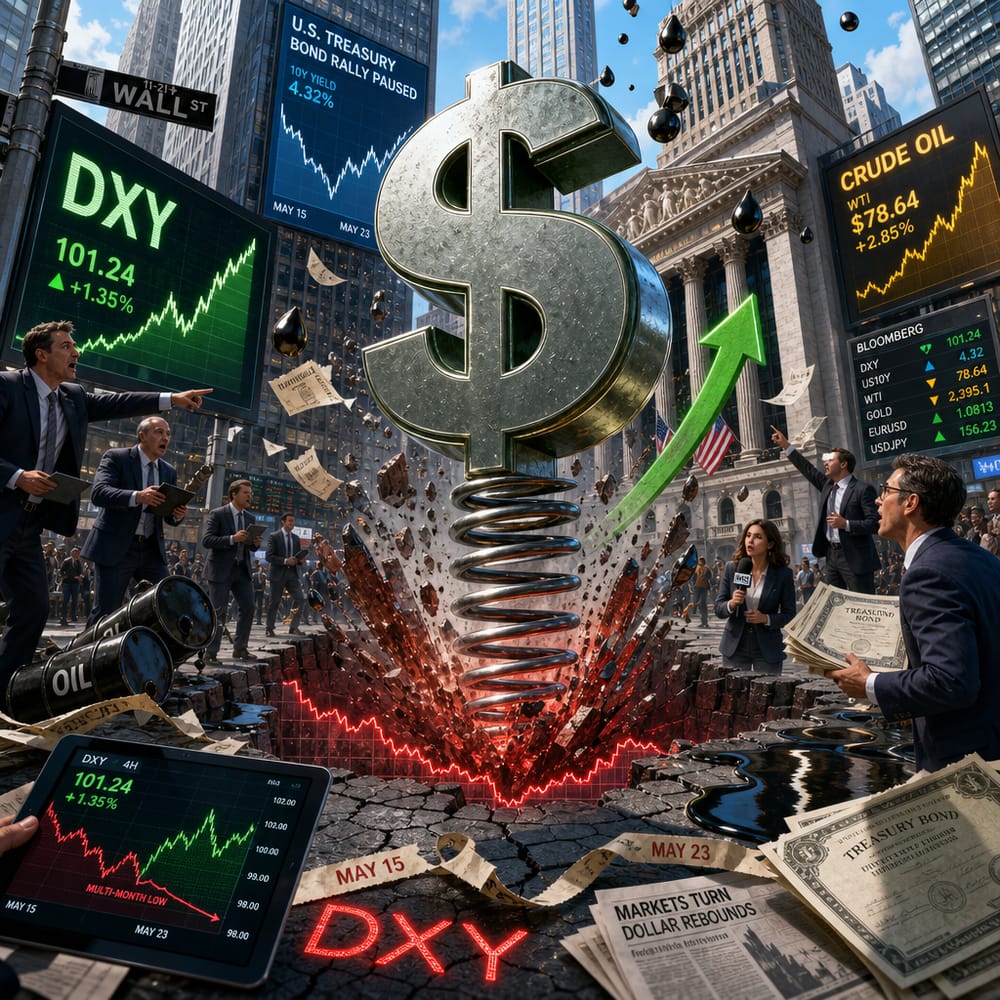
THE U.S. DOLLAR INDEX MAKES A COMEBACK: HERE’S WHY IT MATTERS
Remember that kid who always managed to find their way back into the spotlight? Well, the U.S. Dollar Index (DXY) might just be that kid, popping up on your financial radar once more. After a recent stumble that left it at its lowest since mid-May, it's now staging a little comeback. So, what’s the story here? Grab a cup of coffee and let’s break this down.
First things first, you might be wondering: what on earth is the U.S. Dollar Index, or DXY, as the cool kids call it? Think of it as the dollar's report card against a basket of other major currencies. If the DXY is up, the dollar is flexing its muscles; if it’s down, well, it's catching a breather.
WHY DID THE DXY INITIALLY TAKE A DIVE?
The dollar's dip was a classic case of too much drama in the bond market. Picture this: Treasury yields (the return you get for holding government debt) were on a rollercoaster, and not the fun kind. Investors were worried about inflation, which was being stirred up by rising oil prices. High inflation wasn’t just a ghost story but a real fear since it can erode the value of returns on bonds.
This scare led to a sell-off in Treasuries, pushing yields higher. Higher yields typically make the dollar more attractive, but if those yields are a product of inflation fears, that attractiveness fades faster than a Snapchat story.
THE ROLE OF THE BOND MARKET
Now, let’s get cozy with bond market dynamics. When you hear phrases like "bond yields," think of them as interest rates in sneaker form. As yields rise, the cost to borrow money increases too. This normally pumps up the dollar, as investors flock to the currency to take advantage of higher returns. But when the rise in yields is tied to fear and uncertainty, like a cat with a cucumber, everyone jolts away. This uncertainty momentarily weakened the dollar until the bond market drama hit pause.
OIL PRICES: THE SPICE IN THE SOUP
Another star in this soap opera is oil prices. When oil prices take off, inflation concerns often follow. This is because higher oil prices mean more expensive goods and services. When inflation expectations are stirred, central banks might react by hiking interest rates, which can support the currency. In the case of the U.S., rising oil prices added to the anxiety around inflation, influencing the DXY's initial dive.
THE DOLLAR FINDS ITS FEET AGAIN
Despite the hurdles, the DXY is regaining strength. It's a testament to the dollar's role as a safe haven when things get dicey. After all, when uncertainty rules, more people head for the hills — or in this case, the dollar. An uptick in oil prices and a little breath-catching in the bond market gave the DXY the nudge it needed.
WHAT DOES THIS MEAN FOR YOU?
So why should you, the retail investor scrolling through your phone, care about the DXY's latest antics? Because it's all interconnected, my friend. The DXY's performance can influence everything from the cost of your next overseas adventure to the price of imported goods. If you’re dabbling in forex trading or investing in companies with hefty international exposure, these swings can impact your portfolio.
Moreover, if you're invested in sectors sensitive to currency movements, such as technology or commodities, keeping an eye on the DXY can give you a head start on strategic moves. A stronger dollar might cool off U.S. exports by upping their cost abroad, but it can also make imports cheaper, affecting domestic companies reliant on foreign goods.
In conclusion, whether you're a seasoned market player or just dipping your toes into investing, the DXY's movements are a compass worth watching. It may not dictate every market move, but it sure does play a significant role in the symphony of global finance. So keep it on your radar, because the dollar is out there doing its thing, for better or worse.
This article is for informational purposes only and is not investment advice. Always do your own research or consult a licensed financial professional before making investment decisions.
© Copyright 2024. All Rights Reserved.
© Copyright 2024. All Rights Reserved.