

Trump vs. Powell: The Looming Showdown Over Fed Independence
Tuesday, November 12, 2024
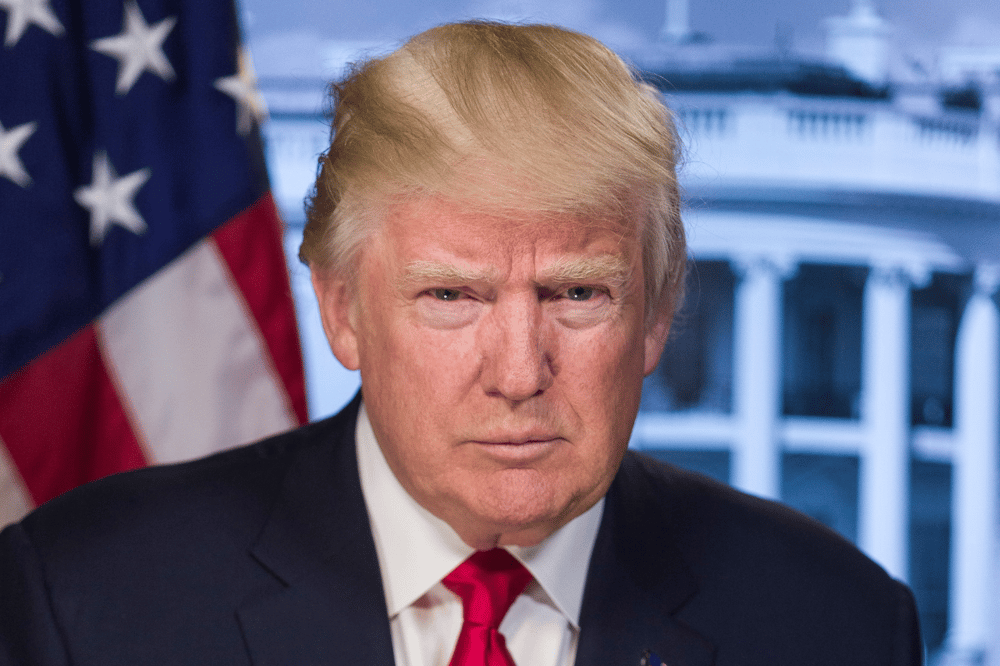
The brewing tension between Donald Trump and Jerome Powell, rekindled by Trump’s potential return to the White House, feels like déjà vu—only now with even higher stakes. Back in 2018, Trump’s dissatisfaction with Powell’s rate hikes was a poorly kept secret. There were whispered threats of firing the Fed Chair, which never materialized, but the episode left a clear impression: Trump wasn’t thrilled with the Fed’s independence.
Fast forward to 2024, and here we are again, only this time, Powell is not playing coy. Asked recently if he would step down if Trump demanded it, Powell’s answer was as blunt as a sledgehammer: “No.” When probed about whether Trump even had the authority to dismiss him, Powell simply responded, “Not permitted under the law.” For a guy who usually prefers staying out of the political crossfire, Powell’s terse comments are the equivalent of drawing a line in the sand.
The legal question here is murky territory. The Federal Reserve Act allows for the removal of Fed governors only “for cause,” which traditionally means something along the lines of criminal misconduct or serious dereliction of duty. Powell, having a background in law, knows this. Trump, however, has never been one to let legal gray areas deter him. The former president, who’s promised to tackle inflation and high rates with characteristic bluntness, could very well test the boundaries of executive power once more.
Advisors close to Trump are divided on the matter. Some suggest he could publicly name a successor now to effectively undermine Powell’s influence. Others are warning him against the market chaos that would likely follow an attempt to sack the Fed Chair, especially given today’s jittery bond markets and the Fed’s ongoing battle against inflation. Financial markets thrive on stability, and Powell’s removal would likely spook investors, pushing yields higher—ironically worsening the very interest rate issue Trump is keen to fix.
The last time Trump tried to strong-arm the Fed, it was during a time of historically low inflation. But today’s environment is far less forgiving. Inflation remains stubbornly above target, and the Treasury is facing the herculean task of refinancing trillions of dollars in debt at much higher interest rates than before. If Trump’s policies, like more tax cuts or renewed trade wars, stoke inflationary pressures, the Fed might have no choice but to keep rates elevated, setting the stage for another showdown.
In theory, Powell could legally challenge a dismissal order, a scenario that’s never been tested in court. The Supreme Court’s conservative tilt might seem favorable to Trump, but even some of its members have signaled a strong respect for the Fed’s independence. A prolonged legal battle would keep Powell in his seat until his term ends in 2026 anyway, rendering any dismissal attempt more symbolic than practical.
Ultimately, Powell’s stance isn’t just about self-preservation; it’s about safeguarding the Fed’s autonomy for future generations. If Trump succeeds in ousting Powell for policy disagreements, it sets a dangerous precedent: the Fed Chair could become a revolving-door position, subject to the whims of political pressure. That’s a scenario the central bank’s founders—and most economists—would find nightmarish.
As Trump eyes a second term, this isn’t just a clash between two personalities but a battle over the fundamental principles of economic governance. In a world where central bank independence is increasingly under threat globally, Powell’s refusal to back down might just be the line that holds. Or it could be the beginning of a legal showdown that keeps lawyers—and financial markets—busy for years.
© Copyright 2024. All Rights Reserved.
© Copyright 2024. All Rights Reserved.