

Trump’s Tax Bill Could Push America’s Debt Over the Edge
Thursday, June 05, 2025
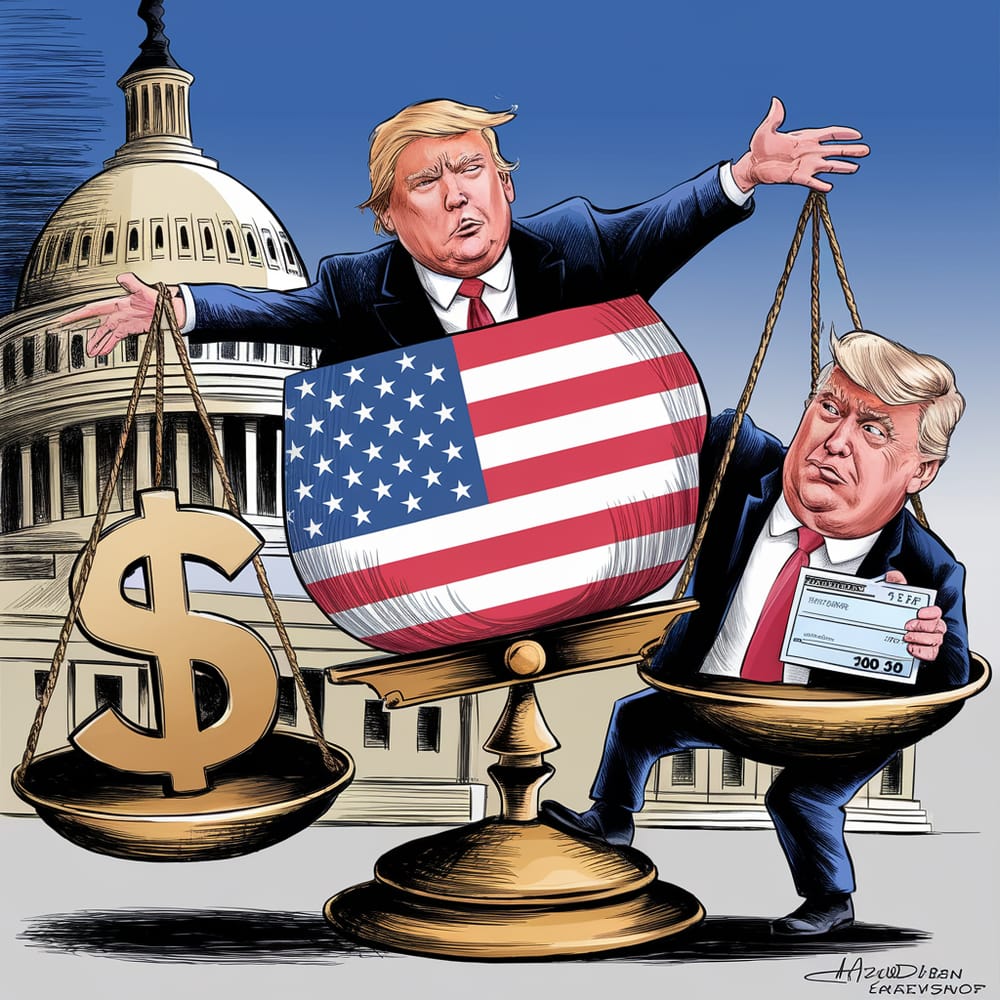
America’s fiscal outlook is already shaky—but President Trump’s sweeping new tax bill might turn fragility into crisis.
Dubbed the “One Big, Beautiful Bill,” the legislation is expected to add at least $2.5 trillion to the national debt over the next decade. But that’s the best-case scenario. If temporary tax breaks—like bonus depreciation and exemptions for tips and overtime—are extended, the cost could balloon to $5.3 trillion, according to the Committee for a Responsible Federal Budget.
At that level, the U.S. debt-to-GDP ratio could soar past 200% by 2055. For context, it currently stands at about 121%, already a historic high. The idea that America can grow its way out of this mess, the article argues, is a dangerous delusion.
What’s most alarming is the timing. The U.S. is not in recession. Inflation risks are rising. And yet, Congress is moving forward with deep tax cuts, reduced support for healthcare and food assistance, and a rollback of clean energy incentives. All this while long-term interest rates are rising and financial markets are flashing warning signs.
Bond investors are clearly rattled. Instead of buying Treasurys during economic uncertainty—as they typically do—markets are selling off long-term government bonds, pushing yields higher. This suggests investors no longer trust Washington to manage its finances responsibly.
The article warns of a vicious cycle: rising deficits drive up interest rates, which increase borrowing costs, which worsen the deficit, and so on. Add in the fact that America just lost its last AAA credit rating from Moody’s, and the picture grows darker.
It’s not just abstract numbers. The bill could eliminate over 1 million jobs by cutting support for low-income families, while delivering disproportionate benefits to the wealthy. Middle-income households could see hundreds of dollars in net losses, while top earners gain tens of thousands in tax relief.
Bottom line: This bill isn’t just a policy gamble—it’s a fiscal red flag. Without serious discipline, America’s debt spiral could become irreversible. The future cost of inaction, the article argues, may be higher than anyone in Congress is willing to admit.
© Copyright 2024. All Rights Reserved.
© Copyright 2024. All Rights Reserved.