

Trump Confirms U.S.–China Trade War as Tariff Tensions Rise
Thursday, October 16, 2025
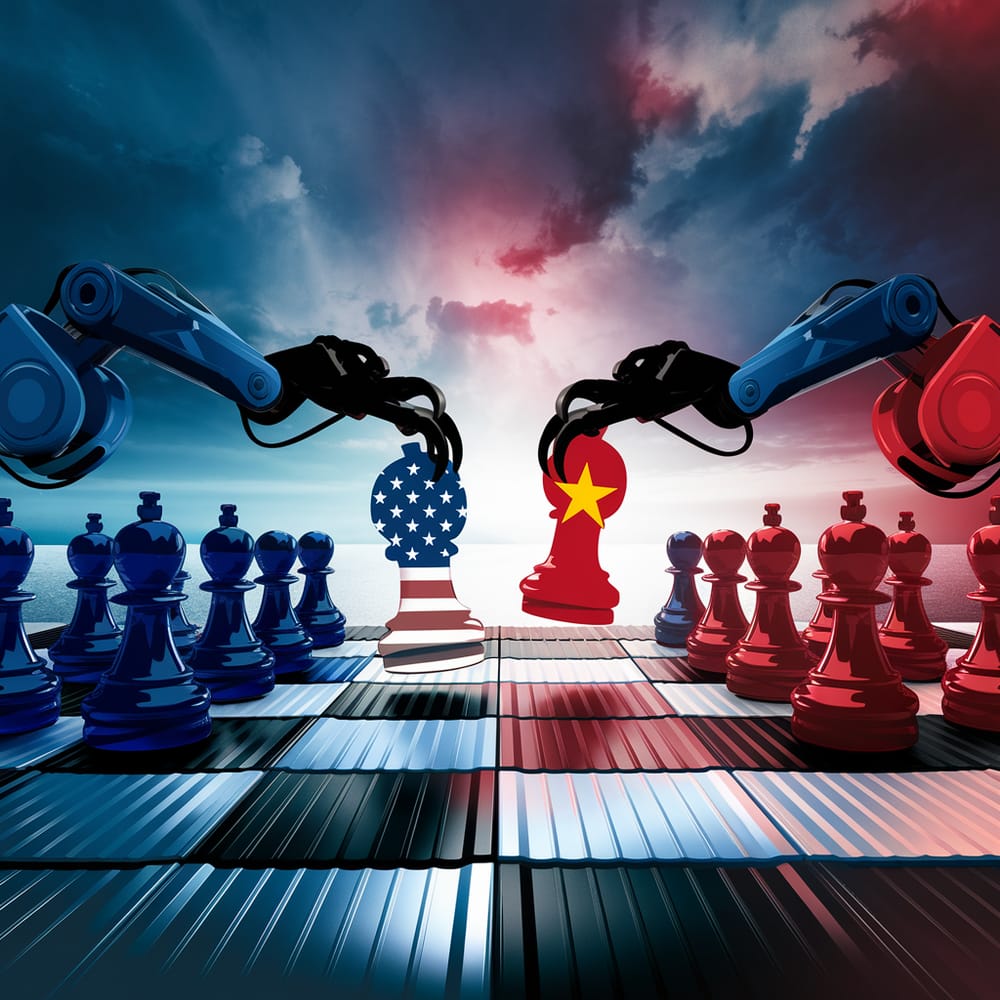
Trump Acknowledges Escalation
President Donald Trump confirmed on Wednesday that the U.S. and China are officially in a trade war, telling reporters, “Well, you’re in one now.” His comments came despite Treasury Secretary Scott Bessent signaling that an extension of the current tariff pause between the two countries remains possible. Trump also plans to meet with Chinese President Xi Jinping later this month to discuss potential de-escalation.
Tariffs and Tensions
The relationship between Washington and Beijing has worsened in recent days. Trump recently announced plans to impose an additional 100% tariff on Chinese goods starting November 1, responding to Beijing’s new export controls on rare earth minerals. China countered by sanctioning U.S.-linked affiliates of South Korea’s Hanwha Ocean, escalating the confrontation. Meanwhile, U.S. tariffs as high as 145% remain suspended until November 10 as negotiations continue.
Economic Fallout and Corporate Response
The effects of the tariff standoff are rippling through the economy. Goldman Sachs estimates that American consumers will bear more than half the cost of the tariffs as companies pass higher import prices along. Despite the uncertainty, Stellantis announced a $13 billion investment to expand U.S. manufacturing, while Apple CEO Tim Cook pledged increased investment and cooperation with China.
At the same time, India has agreed to increase U.S. oil and gas imports under pressure from Trump to reduce its reliance on Russian energy. However, India’s government emphasized its priority remains “stable energy prices and secured supplies.”
The Global Picture
Internationally, the IMF noted that the lack of retaliation from other nations against Trump’s tariffs has helped sustain global growth, even as the risk of escalation looms. Treasury Secretary Bessent added that the administration is exploring ways to “decouple responsibly” from China while maintaining stability.
As the next round of negotiations approaches, both sides appear entrenched — with Washington doubling down on its economic leverage and Beijing signaling it’s ready to respond in kind.
© Copyright 2024. All Rights Reserved.
© Copyright 2024. All Rights Reserved.