

The Tiny Magnets That Just Became a Global Power Play
Wednesday, December 24, 2025
Why everyone suddenly cares about magnets
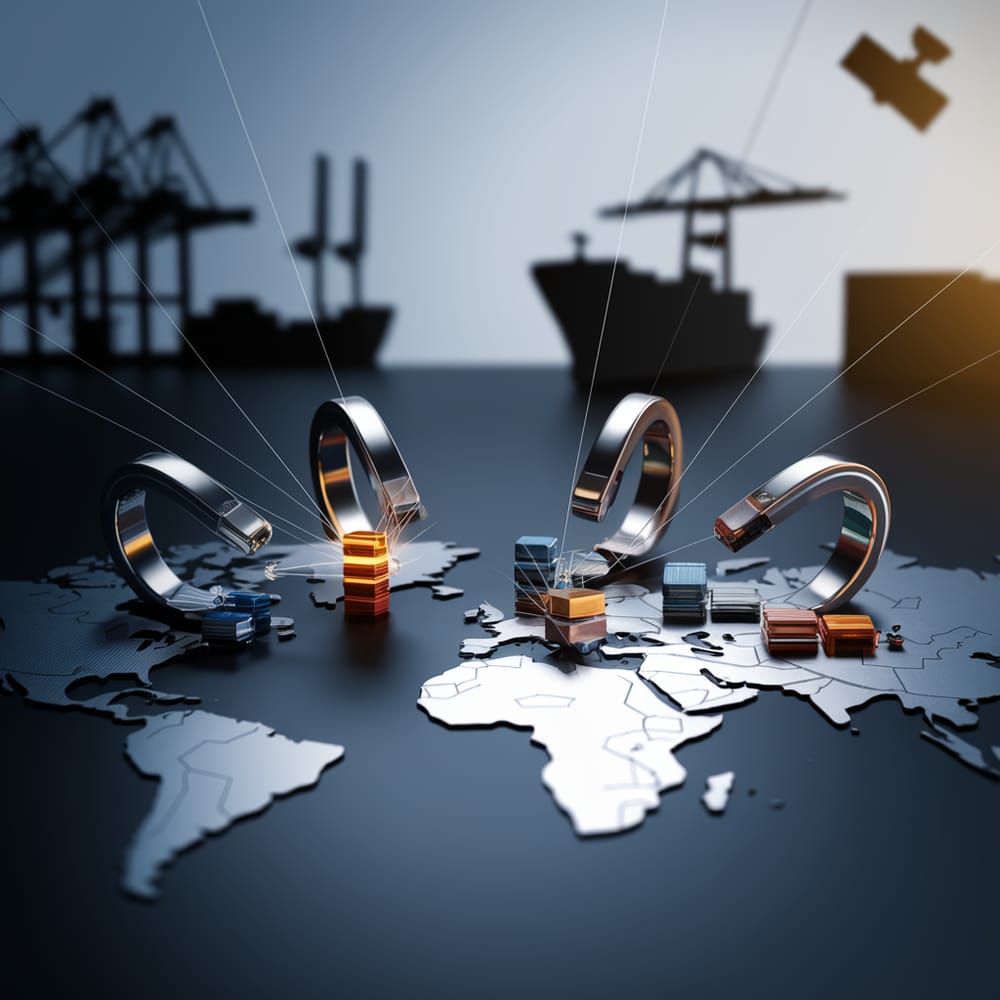
Rare earth magnets aren’t flashy. They don’t have a sleek app. They don’t go viral on TikTok. But they do make modern life move—literally. These small, high-performance magnets are inside electric vehicles, wind turbines, phones, medical devices, AI hardware, and even defense tech. And after a year packed with export curbs and tariff threats, the world has finally realized something awkward: the supply chain for these magnets is basically a geopolitical pressure point.
China has the supply chain in a headlock
Here’s the problem: China dominates. It controls a massive share of global rare earth mining and an even bigger chunk of rare earth magnet manufacturing. That means if trade rules tighten—or if politics get spicy—Western industries can feel the squeeze fast. So now the U.S., Europe, Australia, and others are scrambling to build “mine-to-magnet” pipelines at home, trying to make sure the next generation of clean energy and high-tech manufacturing doesn’t hinge on one country’s export policy.
Meet the companies cashing in on the panic
For magnet makers outside China, this is their “we’ve been telling you” moment. Companies like Neo Performance Materials are scaling up and opening new facilities, including a major site in Narva, Estonia—strategically placed near Russia and designed to plug into Europe’s push for industrial independence. Neo expects production around 2,000 metric tons this year, with plans to ramp to 5,000 tons and beyond. The bigger context is wild too: global magnet demand could leap from roughly 250,000 tons to 600,000 tons over the next decade.
The West is investing hard but escaping won’t be easy
Governments are tossing real money at this. In the U.S., producers are getting direct support to expand domestic capacity—because the fear is simple: if magnets become a bottleneck, everything from EV growth to defense readiness gets throttled. Europe is pushing laws aimed at getting a big share of its critical raw materials produced locally by 2030. Still, analysts aren’t exactly popping champagne yet—because building a full supply chain (mining, refining, processing, manufacturing) is slow, expensive, and brutally hard to scale.
Bottom line magnets are the new oil
The weird twist of 2025 is that magnets—yes, magnets—have quietly become a strategic weapon. The countries that can secure supply won’t just build more EVs and turbines; they’ll control how fast the future gets deployed. And for the companies making these “invisible” components, it’s finally their moment in the sun… even if the spotlight came from a global supply-chain panic.
© Copyright 2024. All Rights Reserved.
© Copyright 2024. All Rights Reserved.