

The Nasdaq’s Five-Day Slide: AI Fatigue or a Healthy Market Rotation?
Friday, June 26, 2026
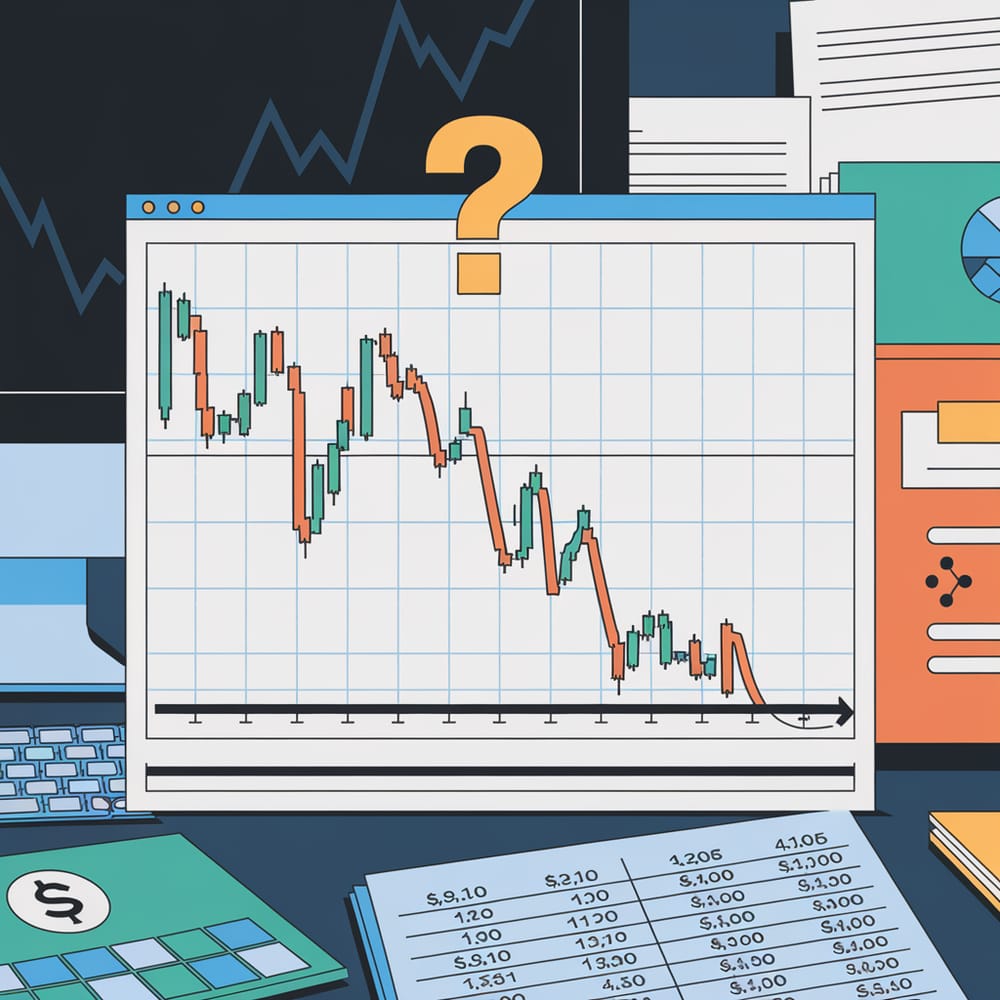
The mega-cap artificial intelligence stocks that were supposed to usher in a new era of unstoppable market gains have been doing the opposite lately. Heading into late June, tech leaders dragged the Nasdaq and S&P 500 into a painful five-day slide, threatening to snap what has been an otherwise relentless spring rally. For an investment theme meant to be a one-way escalator of demand, it has been a sobering reality check.
The scale of the retreat
The numbers are eye-watering. The multi-day drop was enough to put Wall Street on track for just its second losing week in the last 13. The tech-heavy Nasdaq Composite spearheaded the decline, shedding over 4% from its recent highs in a matter of days as global markets caught cold feet over a highly concentrated AI trade. When the world’s most valuable tech companies stumble at that pace, it removes a massive source of buying pressure that had been lifting the entire market.
What it did to the price
The selling left a mark on tech’s biggest champions. The Nasdaq slid toward the 25,350 level before attempting an intraday bounce, while the S&P 500 hovered near its key 7,350 support pivot. Heavyweights took direct hits: Apple shares plummeted 6.1% in a single session—wiping out a staggering $263 billion in market value—while semiconductor mainstays like Micron and Onsemi saw steep pullbacks. The drop was a reminder that mega-cap concentration can amplify moves in both directions, fueling historic rallies when money pours in and deepening declines when sentiment shifts.
Why investors are pulling out
Several forces are at work. The staggering cost of AI infrastructure is finally forcing a corporate reckoning; Apple and Microsoft both announced price increases on hardware and consumer devices to offset surging memory component costs, sparking fears that runaway infrastructure expenses will squeeze tech margins. At the same time, rumors that OpenAI may delay its highly anticipated initial public offering until 2027 took the speculative wind out of the sector. Add a steady 10-year Treasury yield holding near 4.39%, and institutional managers have a clear incentive to trim their overextended tech winners to lock in quarter-end profits.
Signs of stabilization
It is not all one-directional. During the June 26 session, the broader market flashed significant resilience. Despite opening deeply in the red, the indexes staged a midday turnaround, supported by a sharp 4.5% plunge in Brent crude oil prices down to $72.13, which eased macroeconomic inflation concerns. More importantly, market breadth remains remarkably healthy: roughly two out of every three stocks within the S&P 500 are rising today. Capital isn't fleeing the stock market entirely; it is actively rotating into defensive and cyclical pockets like industrials, energy, and health care.
What it means for tech investors
The episode underscores a key truth: AI stocks are no longer insulated from corporate fundamentals and macro gravity. Up until now, the sector traded almost entirely on future promise. Now, investors must watch supply-chain chip costs, retail hardware margins, and commodity prices just as closely as any chip-architecture roadmap. Tech is no longer trading in its own insulated world; it is bound to the same economic realities as the rest of the market.
The bottom line
A five-day slide in the Nasdaq is a dramatic reminder of how top-heavy this market has become. But the early signs of a broadening market rotation and intraday stabilizing flows suggest the secular tech story is far from over. As always with hyper-growth cycles, volatility cuts both ways, and position sizing matters more than ever.
This article is for informational purposes only and is not investment advice. Financial markets are highly volatile and risky. Always do your own research or consult a financial professional before making investment decisions.
© Copyright 2024. All Rights Reserved.
© Copyright 2024. All Rights Reserved.