

The Fed’s Likely Cutting Again — But 2026 Is Where the Real Drama Lives
Wednesday, December 10, 2025
A Third Cut Is Suddenly the “Most Likely” Script
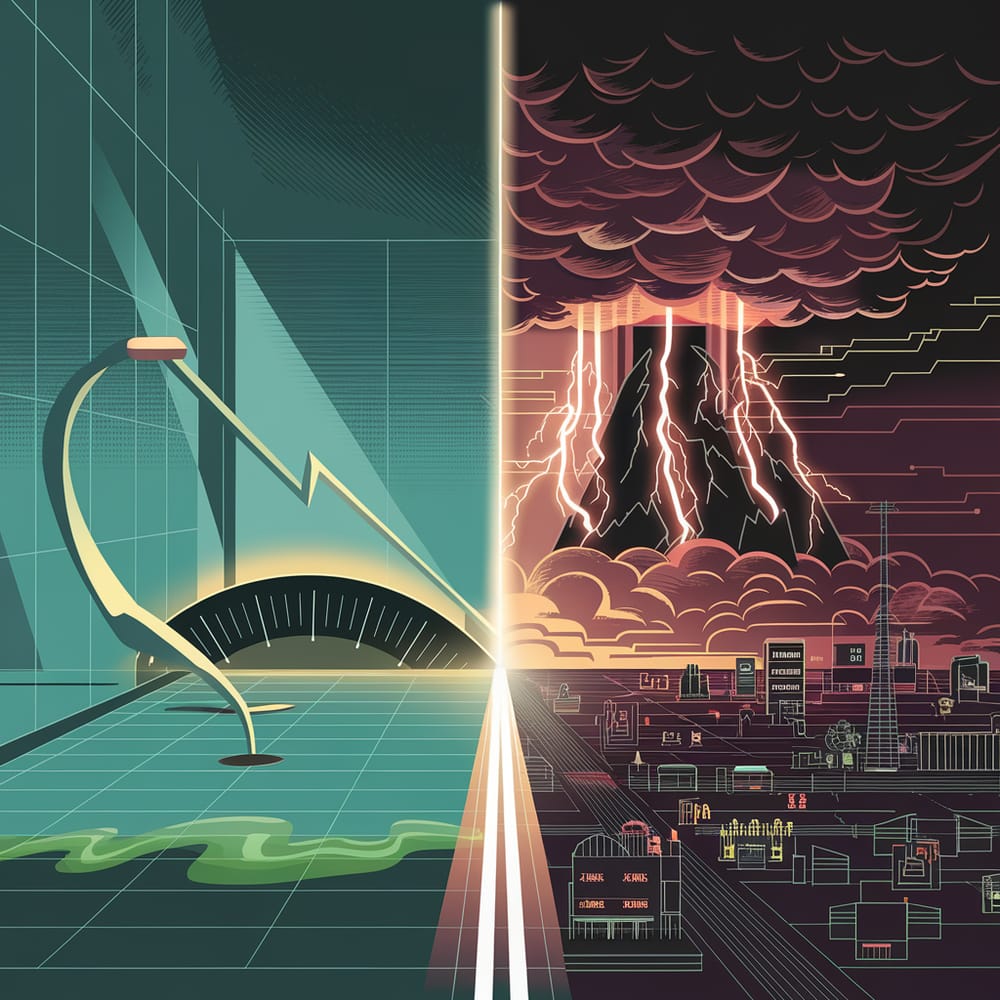
After weeks of market hand-wringing and “will they, won’t they,” the Federal Reserve is now widely expected to deliver its third rate cut of the year at Wednesday’s meeting. The base case is a 25-basis-point trim — but not the kind that comes with a victory lap. Think more careful step down the stairs, not sprinting downhill.
Expect a Cut With a Warning Label
Former Fed vice chair Alan Blinder puts it plainly: this is a tough call, and if the Fed cuts, it may do so while practically holding up a sign that says “don’t get used to this.” In Fed-speak, that’s a “hawkish cut” — easing policy now, but making clear the committee isn’t about to go on a cutting spree every meeting.
Inside the Fed: Not Everyone’s Feeling It
The decision could be messy. Several officials have been openly skeptical that a cut is needed right now because inflation is still running about a full percentage point above the Fed’s 2% target. Others, especially leaders closer to the center of the committee, have hinted there’s still room to nudge rates toward a more neutral level. Result: a cut is likely, but a split vote is very much on the table.
Inflation Is Cooling — But Not Conquered
The data available to policymakers is a little stale thanks to delays from the autumn government shutdown, but the direction is clear enough: core inflation has eased slightly, sitting in the high-2% range recently. The Fed still expects inflation to finish the year above 3%. So yes, inflation is less fiery than before — but it’s still not back in its cage.
Jobs Data: A Weird Zigzag, Not a Straight Line
The labor market isn’t collapsing, but it’s not cruising either. Payroll growth has bounced between strong and soft months, and more recent business anecdotes point to hiring freezes, reduced hours, and a slight uptick in layoffs. Some firms are even noting that AI is quietly replacing certain entry-level roles. That mix gives the Fed a reason to cut — but also a reason to stay cautious.
The Risk Blinder Keeps Flagging
Blinder’s central worry is simple and sharp: if the Fed keeps cutting while inflation is still sticky, it could accidentally re-ignite the very problem it’s trying to finish off. Rate cuts are easier to do than to undo, and the Fed doesn’t want to wake up in mid-2026 wondering why inflation started creeping again.
So What Happens Next Year? Nobody Agrees
Here’s where things get spicy. Some economists think the Fed should pause after this cut and reassess early in 2026, especially if inflation hangs around and growth stays decent. Others argue the job market is weakening enough to justify multiple cuts in a row next year. The range of forecasts is wide — from essentially “one and done” to “three more cuts by spring.”
A Leadership Change Could Tilt the Whole Path
Another wild card: the Fed may be heading toward a new chair next year. One forecast even says additional 2026 cuts wouldn’t be driven by economic necessity, but by a shift in leadership style toward easier policy. That idea alone tells you how political and uncertain next year’s rate story could become.
Bottom Line: This Week Is the Easy Part
A December cut looks like the Fed’s most probable move, even if it comes with dissent and stern guidance. The harder question is 2026: Will inflation keep sliding toward target — or stall? Will the job market soften gently — or buckle? And will a new Fed chair push policy faster than the data would?
Wednesday’s cut might be the headline, but next year is the real plot.
© Copyright 2024. All Rights Reserved.
© Copyright 2024. All Rights Reserved.