

The Dollar’s Worst Start on Record—and Why More Trouble May Be Ahead
Thursday, June 05, 2025
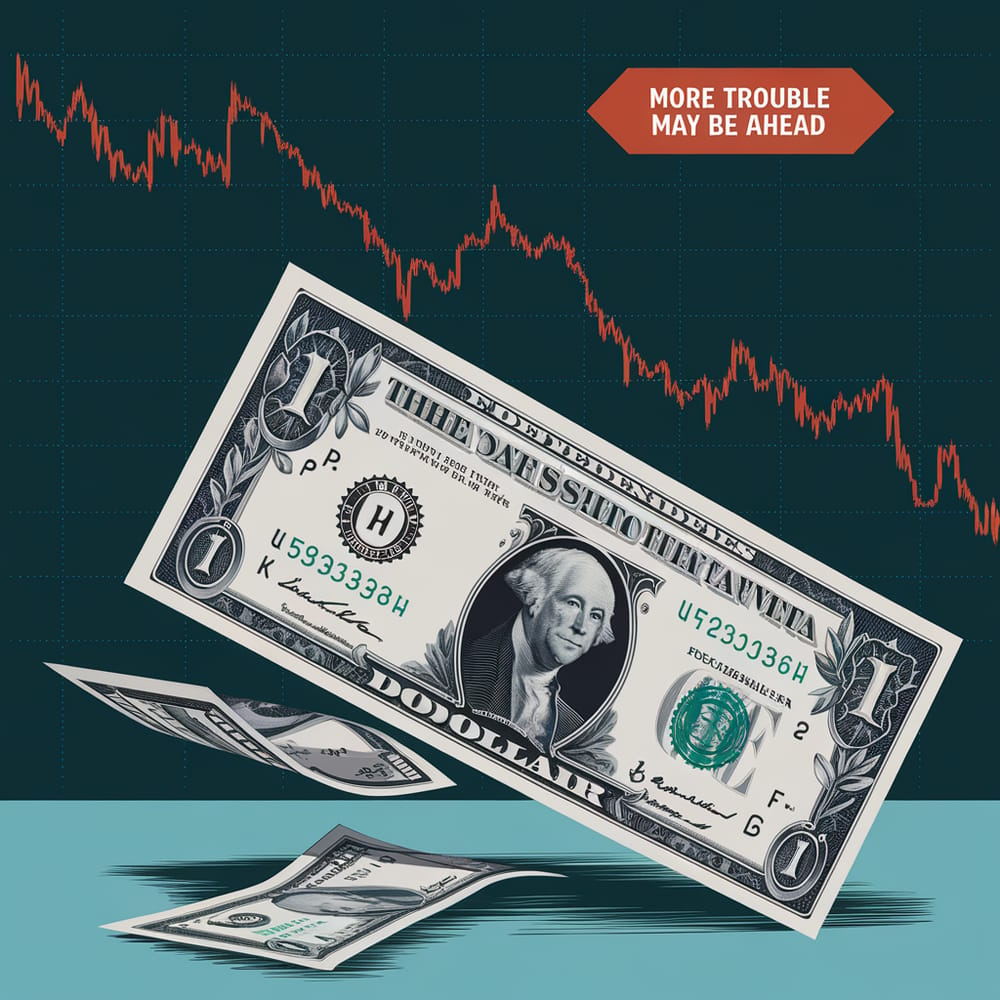
The U.S. dollar is off to its weakest start to a year on record—and Wall Street strategists warn the decline may only be getting started.
The ICE U.S. Dollar Index has dropped nearly 9% year-to-date, marking the steepest early-year fall since the index was launched in the mid-1980s. The decline is being driven by a mix of domestic policy shifts and global realignment, including President Trump’s aggressive trade stance, a rising federal deficit, and structural shifts in how international investors are managing dollar exposure.
Currency strategists and portfolio managers are increasingly convinced that this isn’t just a blip. Many see the dollar entering a longer-term downtrend, potentially mirroring the 2002–2008 period when the greenback steadily weakened against global peers.
Adding fuel to the selloff is Trump’s proposed “revenge tax”—a provision in his tax plan that would penalize foreign investors from countries the U.S. deems “unfair” in their tax treatment of U.S. entities. The move could discourage capital inflows, putting more downward pressure on the dollar.
Investors, including long-term institutional players like pension funds and insurers, are already increasing their dollar hedging activities. A Deutsche Bank report notes a sharp rise in hedge ratios by Danish institutional investors since early 2025—an early signal that major players are bracing for further dollar weakness.
Even U.S. investors are adjusting. The dollar has lost its appeal as a hedge against volatility, particularly after U.S. stocks and bonds fell in tandem during April’s tariff-driven market selloff. As a result, more investors are using forward contracts and derivatives to reduce their exposure.
Despite this, there’s one potential lifeline: a return to U.S. exceptionalism. If American stocks outperform dramatically and economic growth surges ahead of global peers, the dollar could stage a rebound. But for now, few are betting on that outcome.
Bottom line: The dollar’s record-setting slide reflects deep shifts in how global markets view U.S. assets and policy risks. Unless confidence rebounds quickly, more downside may lie ahead.
© Copyright 2024. All Rights Reserved.
© Copyright 2024. All Rights Reserved.