

The Dollar Is Feeling the Heat as Tariff Threats Escalate
Monday, January 19, 2026
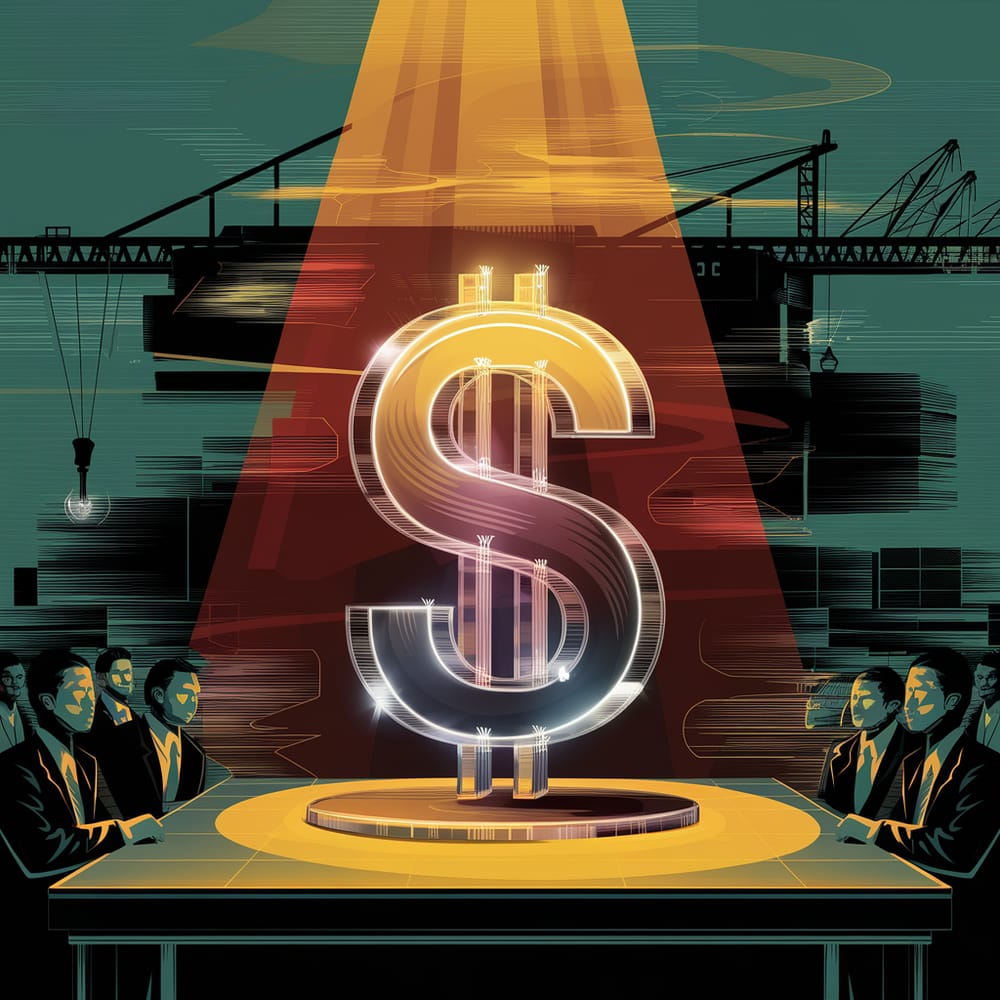
The greenback blinked first
The U.S. dollar slipped as fresh tariff threats aimed at Europe injected a new dose of uncertainty into global markets. The move wasn’t dramatic, but it was telling. Currency traders tend to react quickly when policy starts to feel unpredictable, and this latest flare-up was enough to make them ease off dollar exposure.
Trade tension is morphing into confidence risk
What’s bothering investors isn’t just the idea of tariffs—it’s the broader signal they send. When trade policy starts looking erratic or retaliatory, holding U.S. assets suddenly carries a political risk premium. That’s when the dollar, usually a safe haven, can lose its shine and start behaving more like a liability than a refuge.
Europe’s currencies got a brief lift
As the dollar softened, European currencies caught a bid. The euro bounced off recent lows, and traditional safe-haven currencies gained as investors quietly diversified away from the U.S. This doesn’t mean confidence has shifted wholesale to Europe—it’s more about spreading risk when Washington looks unpredictable.
Markets are eyeing a bigger escalation
The real fear isn’t tariffs on goods—it’s what happens if trade disputes start bleeding into capital markets. If financial flows become part of the retaliation toolkit, volatility could spike fast. That possibility alone is enough to keep currency traders cautious and positioning light.
This wasn’t panic—it was a warning
The dollar’s pullback wasn’t a collapse. It was a signal. Markets are reminding policymakers that credibility matters, and policy shocks don’t stay contained. For now, the dollar is still strong—but the armor isn’t impenetrable, and traders are watching closely for the next move.
© Copyright 2024. All Rights Reserved.
© Copyright 2024. All Rights Reserved.