

The Rebound After the Rate Shock
Friday, June 19, 2026
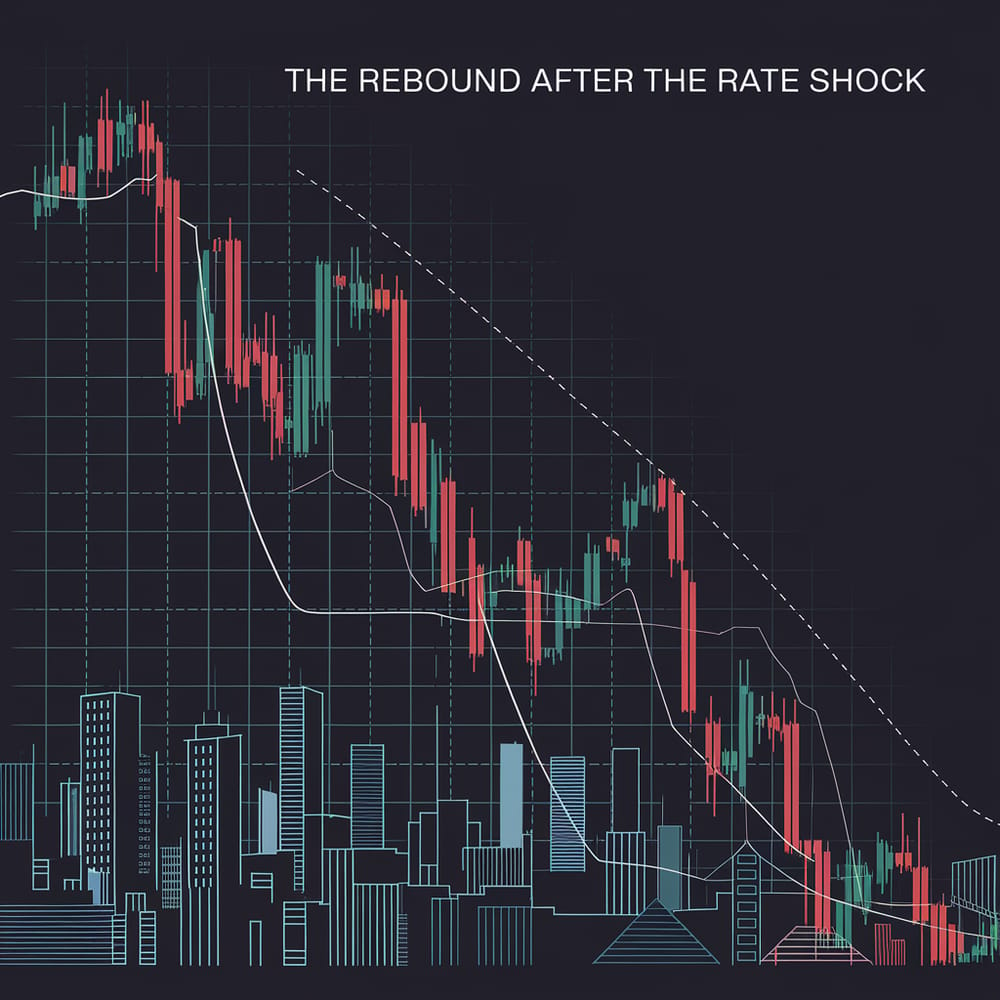
Two days, two completely different markets. On Wednesday, stocks cratered when the Federal Reserve delivered a hawkish surprise. By Thursday, they'd roared back — the Nasdaq jumping nearly 2% and small caps leading the way. If the whiplash left you dizzy, you're not alone. Here's what the round-trip actually means.
What Spooked the Market
New Fed Chair Kevin Warsh held interest rates steady but signaled the next move could be a hike, not the cut investors had been banking on. With inflation running hot at 4.2%, the message was clear: rates are staying higher for longer. Wall Street hates surprises, and it sold off hard on the news.
Why It Bounced Back So Fast
The next day, cooler heads prevailed. Traders realized the economy underneath the scary headline still looks solid — earnings are holding up, and a reopened Strait of Hormuz is easing oil fears. When the initial panic faded, bargain hunters stepped in, and the rebound was on.
The V-Shape Tells a Story
Sharp drops followed by sharp recoveries are a hallmark of a market that's nervous but not broken. It means investors are reacting to headlines, not fleeing for the exits. The underlying trend can stay intact even when day-to-day moves feel violent.
What It Means for You
The big lesson: if you'd panic-sold into Wednesday's drop, you'd have missed Thursday's snap-back. Trying to trade around single-day swings is a losing game for most people. A steady plan beats a fast trigger finger almost every time.
The Bottom Line
One ugly day and one great day don't change your long-term picture. The rate shock was real, but so was the market's resilience. Tune out the noise, stick to your plan, and let the whipsaw work itself out.
This article is for informational purposes only and is not investment advice. Markets are volatile right now — do your own research or talk to a licensed professional before making decisions. Figures as of June 19, 2026.
© Copyright 2024. All Rights Reserved.
© Copyright 2024. All Rights Reserved.