

The Fed Just Slammed the Door on 2026 Rate Cuts — Here's What It Means for You
Sunday, June 21, 2026
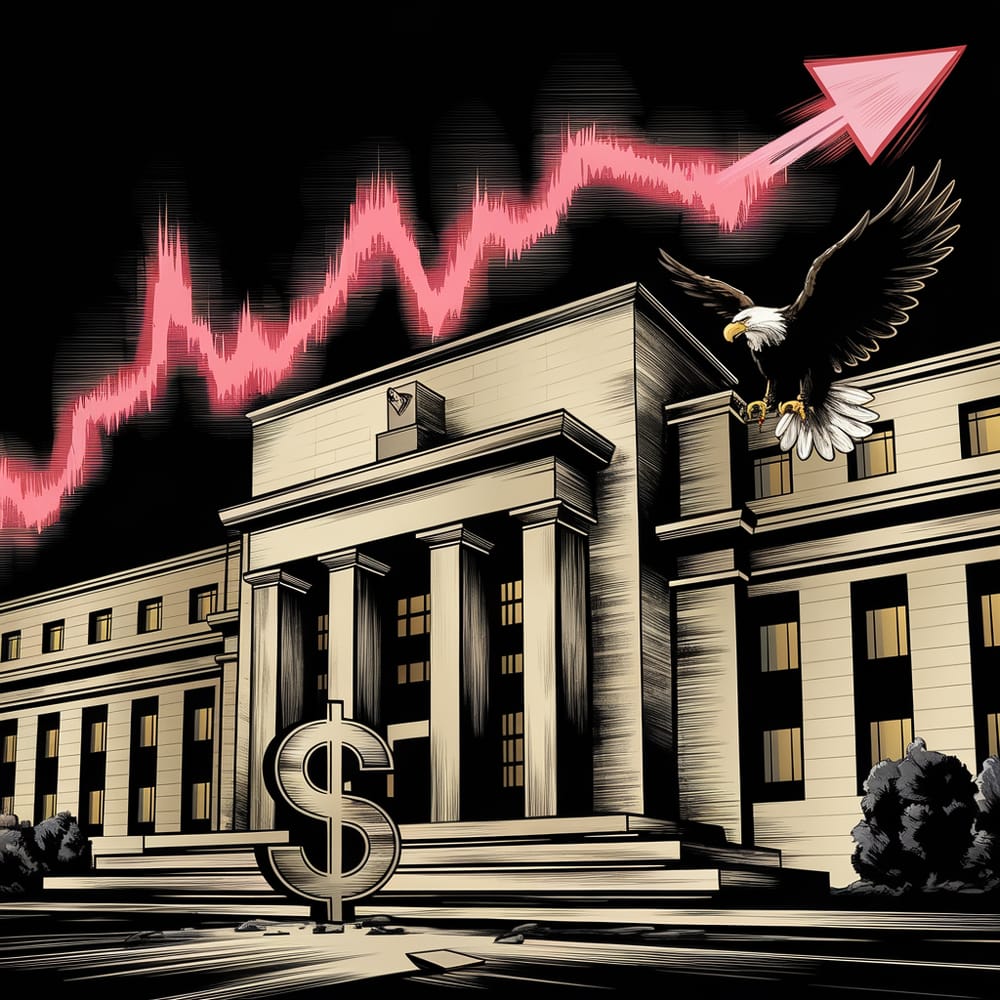
Wall Street spent the first half of the year betting that cheaper money was coming. This week the Federal Reserve took that bet off the table. In his first meeting as Fed Chair, Kevin Warsh kept rates on hold and made it clear that the era of "cuts are coming soon" is over for now. For retail investors, that single shift changes the math on everything from your savings account to your stock portfolio.
The decision in plain English
The Fed held its benchmark rate at 3.50%-3.75% for a fourth straight meeting, exactly as markets expected. The headline wasn't the hold itself — it was the message around it. Warsh used his debut press conference to say the committee is "unanimous and unambiguous" in its commitment to fighting inflation. Translation: don't expect the Fed to ride to the rescue with rate cuts anytime soon.
Inflation got worse, not better
The reason for the tough talk is a sharp jump in the inflation outlook. The Fed now sees PCE inflation running at 3.6% this year, a big upward revision from the 2.7% it penciled in earlier. Core PCE has already climbed from 3.0% last December to 3.3% in April. Much of that pressure is coming from higher energy prices tied to the conflict in Iran, which has scrambled the path policymakers thought they were on.
The dot plot did a U-turn
The Fed's "dot plot" — the grid showing where officials expect rates to go — erased the rate cut that had been expected this year and pushed any reductions out to 2027 and 2028. Even more striking: nine officials now see at least one rate hike this year, and six expect at least two. A market that started 2026 dreaming of cuts is now staring at the real possibility of hikes.
What it means for your money
Higher-for-longer rates cut both ways. Savers continue to earn solid yields on cash, money-market funds, and short-term bonds. Borrowers — anyone with a mortgage, car loan, or credit card balance — keep paying up. For stocks, persistently high rates tend to pressure the richly valued growth names that dominate the major indexes, because future profits are worth less when safe yields stay elevated.
How investors are positioning
With cuts off the table, money has been rotating toward assets that benefit from a strong dollar and steady income, while rate-sensitive corners like crypto and small caps have felt the squeeze. The key variable now is energy: if the Iran-driven price spike fades, the inflation story could cool and the Fed could soften its tone. If it doesn't, Warsh has signaled he is prepared to keep policy tight — or tighten further.
The bottom line
The single biggest assumption of early 2026 — that the Fed would be cutting by now — is gone. A new chair has reset expectations, and the dot plot says the next move could just as easily be up as down. For retail investors, that means planning around higher rates sticking around, not melting away.
This article is for informational and educational purposes only and is not investment advice. Always do your own research or consult a licensed financial professional before making investment decisions.
© Copyright 2024. All Rights Reserved.
© Copyright 2024. All Rights Reserved.