

Tech Halo Effect or Bubble? Magnificent Seven Rebound Fuels Debate
Monday, July 06, 2026
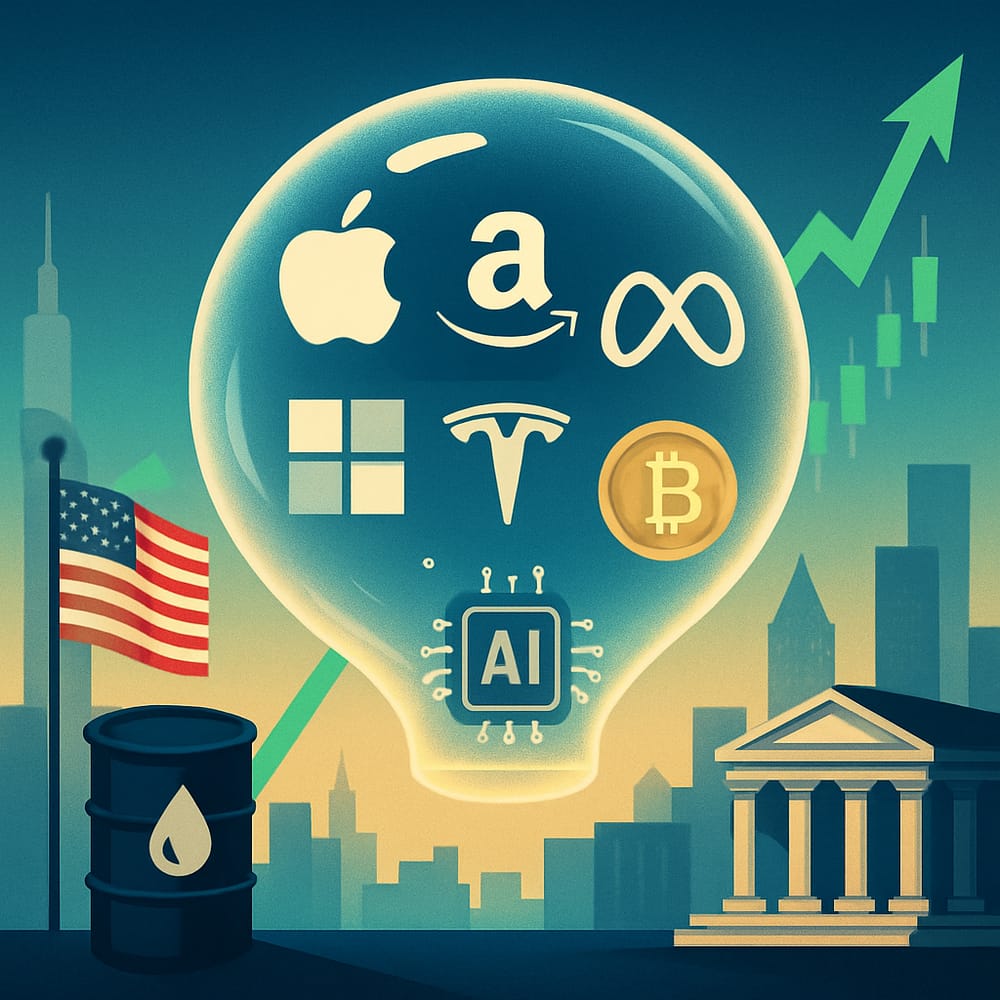
TECH HALO EFFECT OR BUBBLE? MAGNIFICENT SEVEN REBOUND FUELS DEBATE
Here's a pop quiz to kick things off: Is the tech sector on steroids or just drinking lots of Gatorade these days? Seems like the answer's changing faster than your fantasy football rankings. Some folks are shouting "bubble," while others are cheering for a "rebound." Either way, the tech giants, often called the "Magnificent Seven," are back in the spotlight, and everyone wants to know if it's time to dive in or dodge this dizzying roller coaster.
Let’s rewind a bit to when the tech titans were taking a bruising. The once invincible giants (think Apple, Amazon, Microsoft, and their Silicon Valley brethren) took it on the chin a while back, and investors watched valuations tumble faster than a meme stock on Reddit gone wrong. But, like Rocky in the final round, tech’s back—only this time, they’ve got more than one glove up and are punching above their weight class.
Cue the "Are they cheap enough now?" debate. While it’s true you might find some relative bargains compared to the exuberant highs of yesteryear, calling these mega-caps “cheap” is like saying an artisanal avocado toast is budget-friendly just because it’s not served on gold-plated china. The truth is, tech stocks still wear the kind of valuation tags that make you wince like your uncle’s dad-joke at Thanksgiving.
Valuations aside, what's really behind this tech resurgence? Here’s where the plot thickens. Is it pure tech hype, or are actual earnings driving this comeback? It’s a bit of both, with a sprinkle of optimism and a dash of reality check. On one hand, you've got the excitement about emerging technologies—think AI, cloud computing, and all those juicy tech buzzwords that sound like they belong in a sci-fi flick. On the other hand, many of these companies are cranking out earnings reports that show real growth, not just an uptick in social media chatter.
Take a look at Microsoft's latest earnings. They’ve been riding high on their cloud services wave, which is more than just tech fairy dust—it’s real revenue from businesses that can’t seem to get enough of digital transformation. Then there’s Apple, which keeps reinventing its cash-cow ecosystem to ensure that once you’re in, you never quite want to leave. The point is, these giants aren’t just about riding the hype train; they’re about laying tracks that lead to actual cash flow and earnings growth.
Still, the tech debate rages on. Are we looking at a sustainable recovery or another speculative bubble inflated by too much YOLO investing? The skeptics argue it’s the latter, pointing to sky-high valuations and the risk of interest rate hikes that could dampen the party. However, the optimists believe we’re in a tech supercycle, where the fundamentals of digital transformation justify these elevated price tags.
For the average retail investor scrolling through their feed right now, the question is, what does this tech reboot mean for your portfolio? Should you be eyeing those tech darlings like a shopper on Black Friday, or should you be as cautious as a cat in a room full of rocking chairs?
Here’s a thought: maybe a middle road is the way to go. Diversification has long been the trusty friend of the savvy investor. Yes, tech offers potential growth that’s hard to ignore, but it's wise to balance that with some less volatile sectors that can cushion the bumps along the way. Remember, it’s not just about jumping on the next big thing, but about building a sustainable investment strategy.
Ultimately, whether we’re witnessing a tech halo effect or gearing up for a bubble deflation, the market's current dynamics signal significant developments. So, while the Magnificent Seven might be rallying, stay sharp, stay informed, and don’t be swayed by the latest trend without a solid strategy in hand. After all, it’s your financial future, not a game of tech roulette.
This article is for informational purposes only and is not investment advice. Always do your own research or consult a licensed financial professional before making investment decisions.
© Copyright 2024. All Rights Reserved.
© Copyright 2024. All Rights Reserved.