

Strait of Hormuz Reopens: Who Wins
Sunday, June 14, 2026
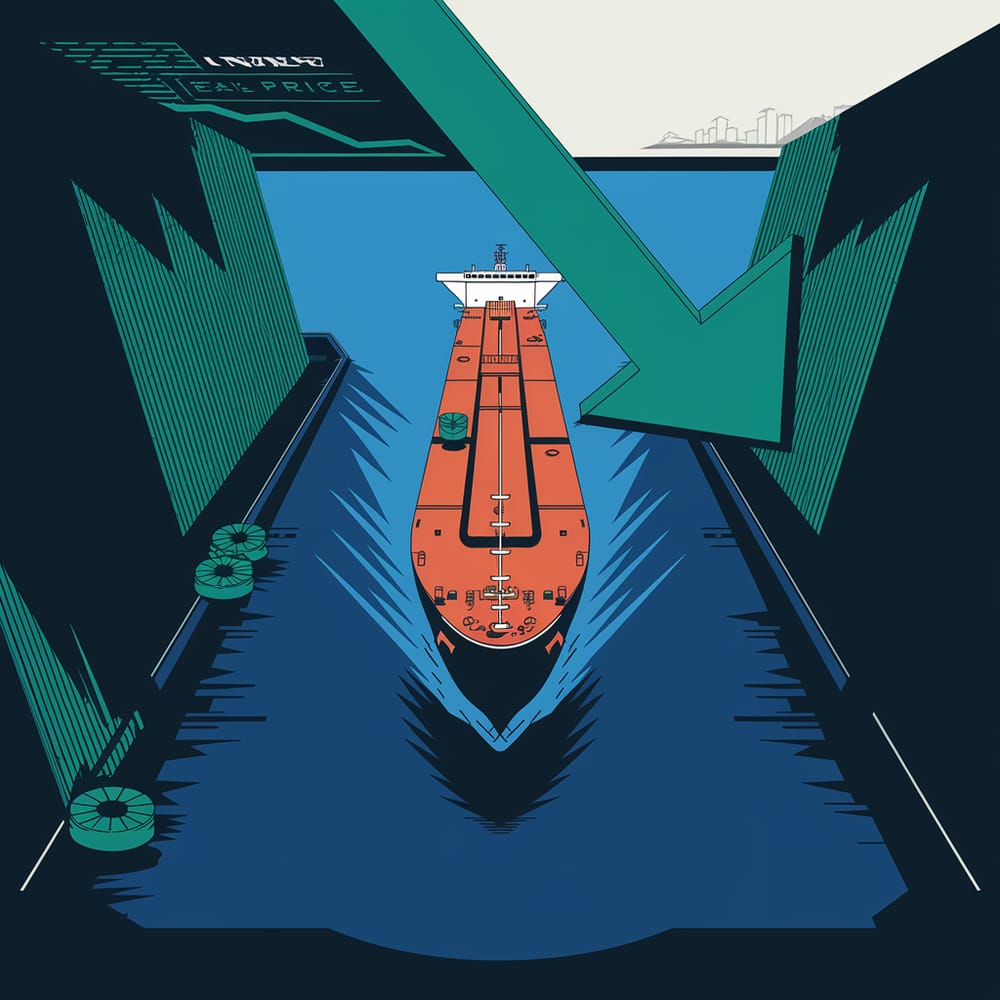
The world's most important oil chokepoint is flowing freely again after the ceasefire. That single fact ripples through gas pumps, airline tickets, and your portfolio. Here's who comes out ahead.
The Chokepoint Explained
The Strait of Hormuz is a narrow stretch of water between Iran and Oman that connects the Persian Gulf to the open ocean. Roughly a fifth of the world's oil passes through it every day. When tensions in the region flare, traders fear the strait could be blocked, and oil prices spike on the mere possibility. With the ceasefire holding, that fear is fading fast.
Why Reopening Matters
During the recent conflict, worries about disrupted shipping pushed oil higher and kept a "risk premium" baked into the price. Now that tankers are moving normally again, that premium is unwinding. Oil has been sliding back toward the mid-$80s, and that drop is the thread connecting nearly every winner and loser below.
Winner: Everyday Drivers
The most direct beneficiaries are ordinary households. Lower oil generally means cheaper gasoline in the weeks ahead. Every dollar saved at the pump is a dollar that can go toward groceries, rent, or savings. After a stretch of stubborn inflation, even a modest break on fuel costs is welcome relief.
Winner: Airlines and Shippers
Fuel is one of the biggest expenses for airlines, trucking companies, and shipping firms. When oil falls, their costs fall with it, which can boost profit margins. That's why transportation stocks often perk up when energy prices cool. A calmer Strait of Hormuz is, in effect, a tailwind for anything that moves people or goods.
Loser: Oil Producers
Not everyone cheers cheaper oil. Energy producers and oil-focused companies earn less when prices drop, so their shares can lag. The same easing of tensions that helps consumers squeezes the firms that pump and sell crude. It's a reminder that in markets, one group's relief is often another's headwind.
The Inflation Angle
There's a bigger-picture bonus. Energy has been a major driver of the recent jump in inflation above 4%. If oil stays lower, it could help cool the headline inflation number in the months ahead. That matters for everyone watching the Federal Reserve, since softer inflation could eventually ease some of the pressure keeping interest rates high.
The Bottom Line
A freely flowing Strait of Hormuz is more than a geopolitical headline. By pulling the risk premium out of oil, it hands a break to drivers, airlines, and shippers while pressuring energy producers. The ripple even reaches the inflation debate, which is why this quiet waterway matters far beyond the Persian Gulf.
This article is for news and informational purposes only and is not investment advice. Figures as of June 14, 2026.
© Copyright 2024. All Rights Reserved.
© Copyright 2024. All Rights Reserved.