

Strait of Hormuz Negotiations Show Little Progress, Energy Risk Persists
Sunday, August 09, 2026
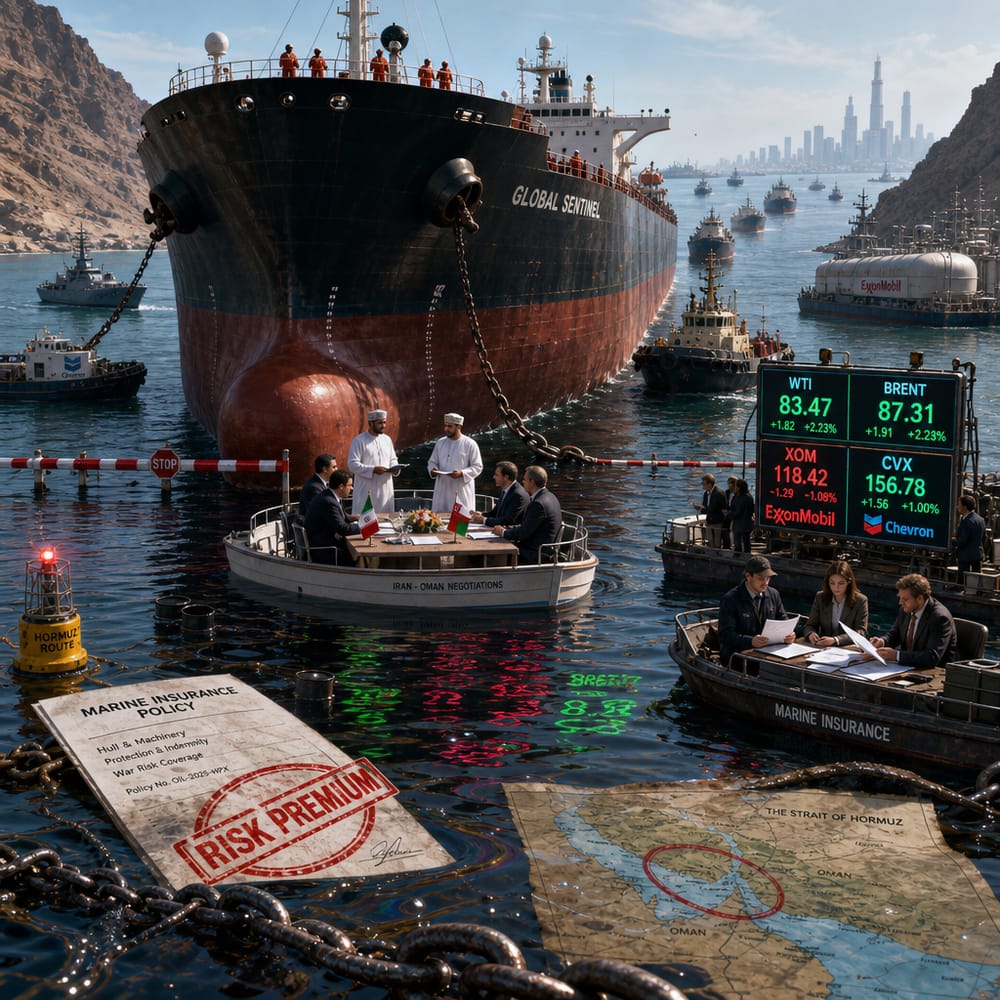
TROUBLED WATERS IN THE STRAIT OF HORMUZ: WHAT’S HOLDING UP THE SHIP?
Ah, the Strait of Hormuz—where calm seas meet stormy politics. This narrow slice of ocean moves nearly a fifth of the world's oil, making it a high-stakes pawn in geopolitical chess. And right now, that pawn is causing headaches for everyone with a stake in the game. Negotiations between Iran and Oman have slowed to a crawl, and it's got everyone from oil execs to shipping insurers on edge.
Why is this tiny stretch of water so critical? Simple: it's the world's busiest shipping lane for oil, and any disruption sends oil prices bouncing like a rubber ball. With Iran and Oman still at odds over shipping rules, the dream of returning to business-as-usual remains just that—a dream.
WHAT’S THE HOLD-UP?
The negotiations are sluggish, to put it mildly. Iran and Oman are stuck on the nitty-gritty details, like how ships should transit and who pays if things go sideways. Then there's the elephant in the room: attacks on energy infrastructure that make everyone twitchy about potential oil spills or worse.
The talks are complicated further by Iran's insistence on certain transit rules that Oman isn't thrilled about. Throw in some unresolved tensions over regional politics, and you've got yourself a cocktail of complications that would flummox even the most seasoned diplomat.
HOW ARE MARKETS REACTING?
Oil prices are the canary in this coal mine. They’re the first to flinch when talks falter or tensions rise. Even rumors can send prices soaring. Like a drama queen at a party, oil prices have been exceptionally volatile, showing off their mood swings to anyone paying attention. West Texas Intermediate (WTI) and Brent Crude, the heavyweights of the oil market, have been on a roller coaster—up one day, down the next.
Energy stocks like ExxonMobil and Chevron are also feeling the squeeze. They've seen intraday fluctuations that make a caffeine-fueled stock ticker look like snail mail. While some investors might see this as a buying opportunity, others are clutching their portfolios like they're riding a runaway roller coaster.
THE RIPPLE EFFECT
But it’s not just the energy sector that's feeling the shockwaves. Shipping insurers, for one, are bracing for some stormy waters. When there's uncertainty in the Strait, insurance premiums climb higher than a cat on a curtain. Insurers don't like surprises, and with the current geopolitical climate, they’re none too pleased.
Beyond that, industries reliant on oil—think airlines and manufacturing—are watching closely. Higher oil prices could translate into more expensive jet fuel and production costs, potentially impacting everything from plane tickets to packaged goods. Even tech companies, which are typically insulated from oil price swings, could face increased transportation costs for hardware.
WHAT’S NEXT?
So, what’s on the horizon? Despite the ongoing talks, no one's holding their breath for a quick resolution. Experts say it could be weeks, if not months, before oil flows return to normal levels—whatever “normal” means in this neck of the woods.
Until then, expect continued volatility in oil prices and a jittery stock market. Investors might want to keep an eye on energy stocks and consider hedging their bets with diversified portfolios. As for the rest of us? Keep your eye on the news and maybe revisit that dream of a Tesla, because who knows when oil prices will stabilize.
With all this turbulence, you'd think investors would be running for the hills. But remember, with great risk comes great potential for reward. Just make sure your seatbelt is securely fastened, because this ride isn’t over yet.
This article is for informational purposes only and is not investment advice. Always do your own research or consult a licensed financial professional before making investment decisions.
© Copyright 2024. All Rights Reserved.
© Copyright 2024. All Rights Reserved.