

Stock Market Liquidity Is Drying Up—And It Could Get Worse
Wednesday, March 26, 2025
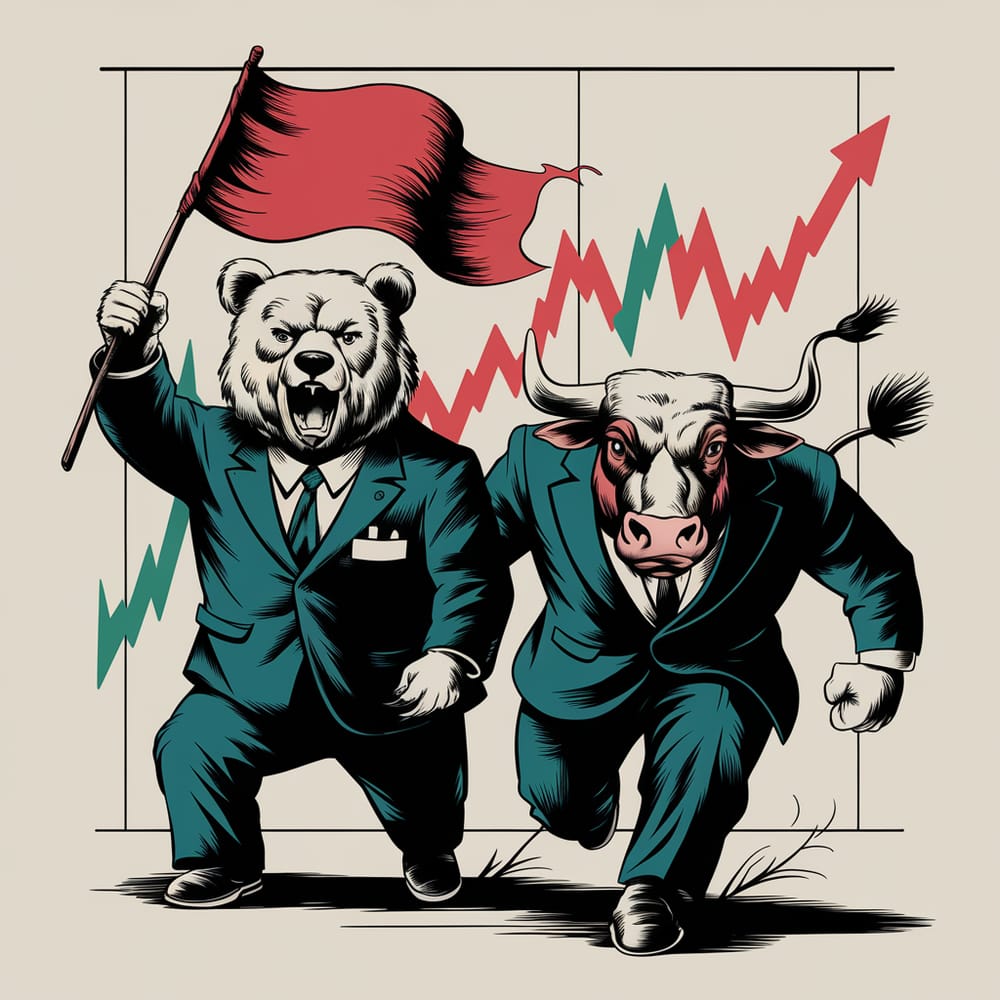
As the global trade war intensifies, liquidity in U.S. stock markets is vanishing, causing major headaches for institutional investors and setting the stage for potential spikes in volatility and market stress.
Liquidity—the ease with which assets can be bought or sold without impacting prices—has been declining for years. But now, tariff fears and economic uncertainty are accelerating the trend, creating a more fragile and jittery trading environment.
How Bad Is It? Liquidity at Two-Year Lows
Two key indicators highlight the growing problem:
-S&P 500 futures liquidity is at its lowest level in two years, according to Deutsche Bank.
-Citigroup’s liquidity index, based on futures volumes, is also hovering near multi-year lows.
These drops make it harder for large investors to execute trades without moving prices. As a result, hedging becomes more expensive, and bid-ask spreads widen, increasing costs for all types of market participants.
Algos and Tariffs Make for a Volatile Mix
“Tariff fears exacerbate swings in individual stocks,” said Rob Friesen of Bright Trading. “You feel like you’re getting run over every time algos kick in.”
Algorithmic trading systems—already dominating daily volume—respond aggressively to headline-driven volatility, amplifying moves and thinning out already weak liquidity.
And with the Fed warning that liquidity can become strained during turbulent periods, the current environment is looking increasingly precarious.
Small-Cap Stocks Are Getting Hit Hardest
It’s not just tech giants like Nvidia and Apple. Even small-cap investors are struggling.
Derek Maupin, co-portfolio manager at the Hodges Intrinsic Value Fund, said his firm wanted to scoop up beaten-down small-cap names, but found no liquidity due to tariff-fueled price swings.
“We have to wait longer to execute orders and be more flexible when exiting positions,” he said.
Will It Get Better Anytime Soon?
Not likely—unless we get clarity on tariffs.
Scott Ladner of Horizon Investments said liquidity might improve if tariffs are less severe than feared, or if economic worries begin to ease. But until more details emerge, “it’s going to be really challenging for traders.”
For now, traders are being forced to adapt to thin markets, where even small trades can move prices and volatility can spike out of nowhere.
© Copyright 2024. All Rights Reserved.
© Copyright 2024. All Rights Reserved.