

Spirit Airlines' Crash Landing: How a Budget Trailblazer Hit Bankruptcy Turbulence
Wednesday, November 20, 2024
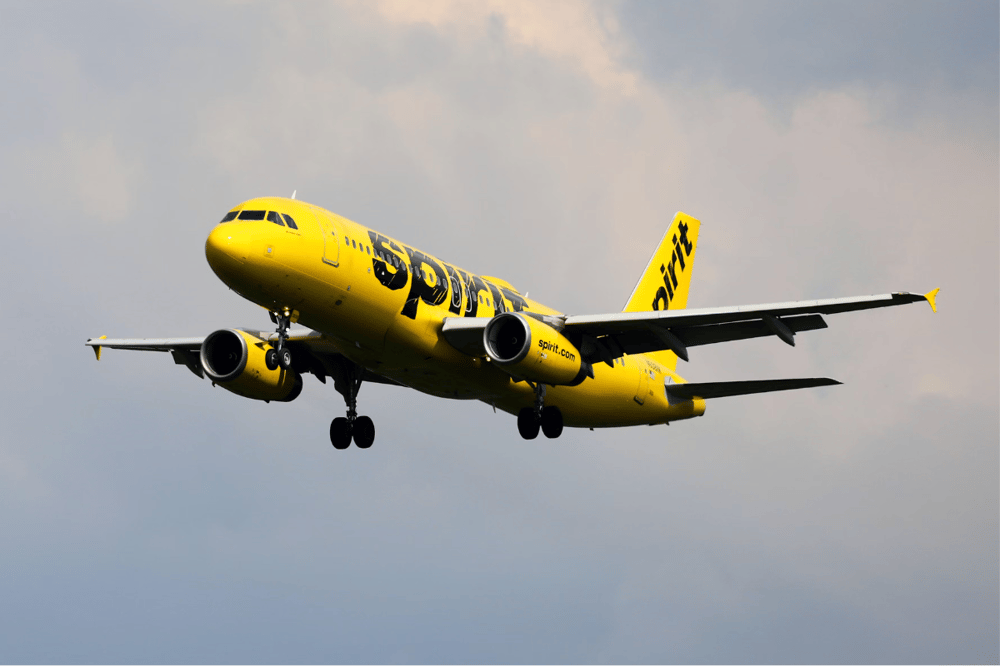
Spirit Airlines, once a trailblazer in the ultralow-cost airline industry, has found itself in Chapter 11 bankruptcy—a dramatic turn for the carrier that turned "bare-bones flying" into a business model. Let’s unpack the rise and fall of Spirit, its challenges, and what this bankruptcy might mean for the airline industry.
The Rise: Flying High on Low Fares
Spirit Airlines revolutionized air travel for budget-conscious passengers by adopting the à la carte pricing strategy popularized by Ryanair in Europe. The idea was simple: offer rock-bottom base fares and charge for every conceivable extra, from checked luggage to seat selection to a bottle of water. While critics sneered at Spirit's "nickel-and-dime" approach and the infamous "pre-reclined" seats, customers flocked to its brightly painted yellow planes, drawn by fares as low as $70 for a round trip.
This strategy catapulted Spirit into the fastest-growing U.S. airline, forcing even major carriers to adopt budget-friendly options. At its peak, Spirit wasn’t just competing; it was reshaping the industry.
The Fall: A Perfect Storm
The pandemic, however, wreaked havoc on Spirit’s plans. The airline lost over $2.2 billion since 2020, erasing years of profits. And it wasn’t just COVID-19. Spirit faced a cascade of setbacks, including:
Operational Challenges: Labor shortages, higher costs, and inefficiencies strained operations.
Overcrowded Routes: As domestic leisure travel rebounded post-pandemic, major carriers aggressively entered Spirit’s once-profitable routes, driving down fares and squeezing margins.
Regulatory Hurdles: Spirit’s lifeline—a proposed $3.8 billion merger with JetBlue—was blocked by a federal judge on antitrust grounds. Ironically, the Justice Department argued that keeping Spirit independent was better for competition, leaving the airline stranded without a partner.
Throw in supply-chain issues like a shortage of Pratt & Whitney engines, and Spirit’s woes became too much to bear.
Blame Game and Lessons Learned
Spirit’s troubles highlight the precarious balance in the airline industry. Critics blame Spirit’s board for gambling on a high-stakes merger with JetBlue, despite regulatory red flags. A merger with Frontier, another ultralow-cost carrier, might have been a safer bet, as it had a better chance of regulatory approval.
But Spirit’s CEO, Ted Christie, believes the real issue lies with an "uneven playing field" dominated by four mega-airlines. He claims the system is rigged against smaller carriers trying to compete with limited resources.
What’s Next?
While Spirit will continue operating during bankruptcy, its future is unclear. The airline could slim down and reemerge with a more stable financial structure or become a prime acquisition target for another airline, possibly Frontier or even a new bidder.
This bankruptcy marks the largest U.S. airline failure in over a decade, signaling trouble for smaller players in a fiercely competitive market. For travelers, it raises questions about how budget airlines can survive while delivering dirt-cheap fares without cutting corners—or breaking their business models.
In the short term, fliers might not notice much change, but Spirit's bankruptcy could set the stage for a less competitive market in the long run. After all, the loss of a major budget airline doesn’t just hurt Spirit—it shrinks the options for travelers across the board.
Spirit Airlines’ story is a cautionary tale for an industry that thrives on razor-thin margins, where innovation can be both a blessing and a curse. For now, the airline must navigate the turbulent skies of bankruptcy with hopes of finding smoother air ahead.
© Copyright 2024. All Rights Reserved.
© Copyright 2024. All Rights Reserved.