

Soft Jobs, Sticky Wages: The Fed’s Tightrope Walk
Thursday, July 02, 2026
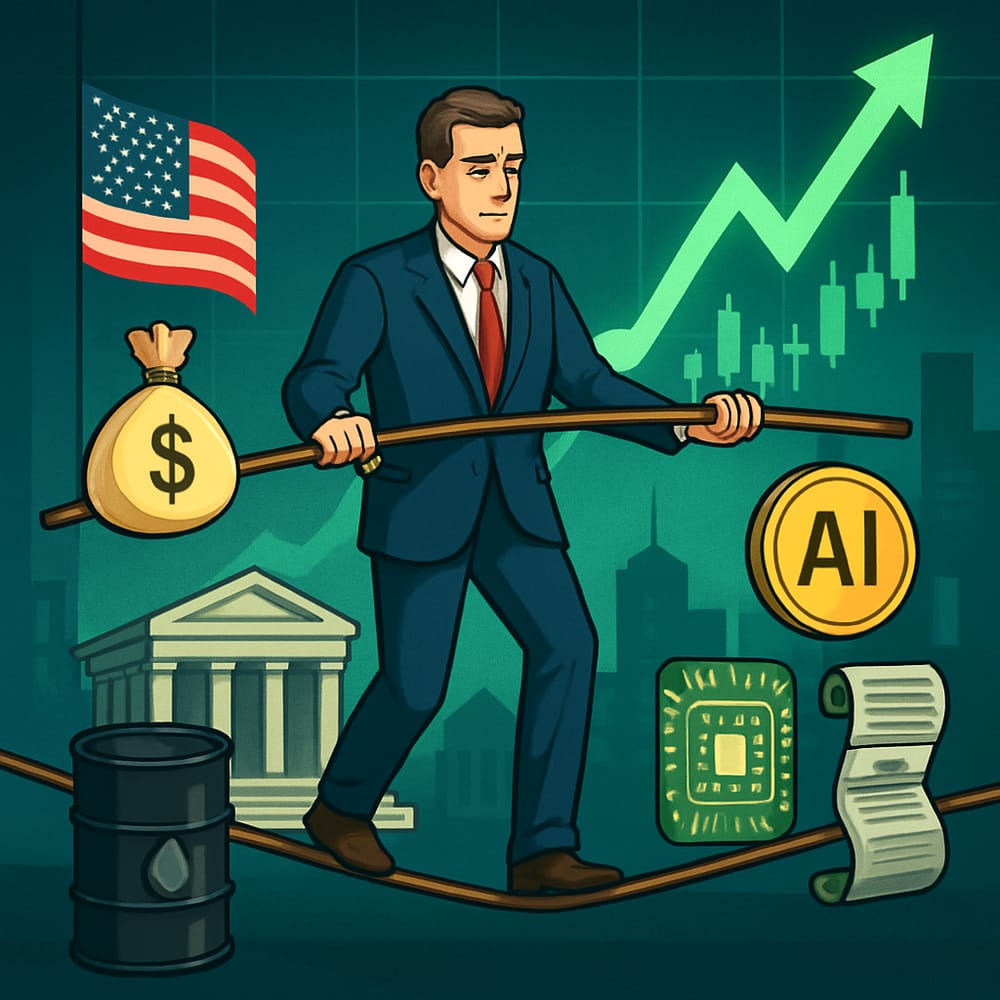
Soft Jobs, Sticky Wages: The Fed’s Tightrope Walk
Ladies and gentlemen, fasten your seatbelts because the Federal Reserve's economic roller coaster is about to take another twist. June's job numbers came in softer than a marshmallow at a summer bonfire, but don't let that fool you—wages are clinging on like a cat to a screen door. Welcome to the puzzling world of mixed economic signals, where figuring out the Fed's next move feels like solving a Rubik's Cube blindfolded.
Picture this: The Federal Reserve, chaired by the ever-diplomatic Kevin Warsh, is walking a tightrope. On one side, job growth isn't quite hitting the high notes it used to—a mere 98,000 private payrolls added in June. On the other side, wages are stubbornly holding strong, leaving the Fed in a bit of a pickle. Should they ramp up interest rates to cool those sticky wages and keep inflation at bay, or should they take a breath and let the job market catch up?
The only thing Warsh hinted at during a recent ECB forum in Portugal is that prices are "too high." Translation: Inflation is giving everyone a headache. But what he conveniently left out was any breadcrumb trail leading to the Fed’s July meeting. So, as we wait with bated breath, it's time to consider what this all means for the rest of us.
To Soft Land or Not to Soft Land
The Fed's dream scenario, known as a "soft landing," is like trying to land a plane on a runway the size of a postage stamp. They desperately want to tame inflation without triggering an economic nosedive. But with these mixed signals, achieving that dream feels as elusive as catching a greased pig.
Here's the thing: Wage growth might seem like a good thing—after all, who doesn't want a little more cash in their pocket? But when wages spike too fast, they can fuel inflation, leading to higher prices for everything from your morning coffee to your evening commute. The Fed’s challenge is to find that sweet spot where wages rise just enough to keep everyone happy without making goods and services skyrocket.
Where to Find Shelter in the Storm
As the Fed tiptoes on this economic high wire, certain sectors might offer a smoother ride for your investments. Take financials, for instance. They tend to be as sensitive to interest rates as a teenager's mood swings. If rates rise, banks can charge more for loans, potentially fattening their profit margins.
Then there’s consumer staples, those everyday essentials you can't live without, like toilet paper and toothpaste. In uncertain times, people still buy them, making this sector less volatile. It's like having a sturdy umbrella when the economic storm hits.
And let's not forget about bonds. When interest rates climb, bond prices typically fall. However, bonds can still play a valuable role in your portfolio, offering more stability than the stock market’s wild roller coaster. The trick? Finding the right balance between bonds and equities to keep your financial ship steady.
Playing the Bond-Equity Game
So, how should you divvy up your investments between stocks and bonds in this topsy-turvy scenario? It's all about finding that Goldilocks zone—not too hot, not too cold, but just right. With interest rate decisions looming like a dark cloud, keeping a close eye on your asset mix is more important than ever.
If you’re the cautious type, consider leaning a bit more into bonds, especially if you're worried about stock market volatility. On the flip side, if you’ve got nerves of steel and a long-term horizon, equities might still offer that growth potential you're chasing.
The Bottom Line
As we buckle in for the Fed's next decision, remember that unpredictability is the name of the game. While Warsh and his central banking compatriots dance around inflation and employment issues, the best plan is to stay informed and adaptable. Keep your eyes on those sectors that historically ride out economic storms with ease, and don’t hesitate to tweak your investment strategy as new information comes to light.
In the meantime, catch your breath, hold onto your hat, and let's see where this economic roller coaster takes us next.
This article is for informational purposes only and is not investment advice. Always do your own research or consult a licensed financial professional before making investment decisions.
© Copyright 2024. All Rights Reserved.
© Copyright 2024. All Rights Reserved.