

Small-Cap Stocks Are Tanking—And Even Their Own CEOs Aren’t Optimistic
Thursday, February 27, 2025
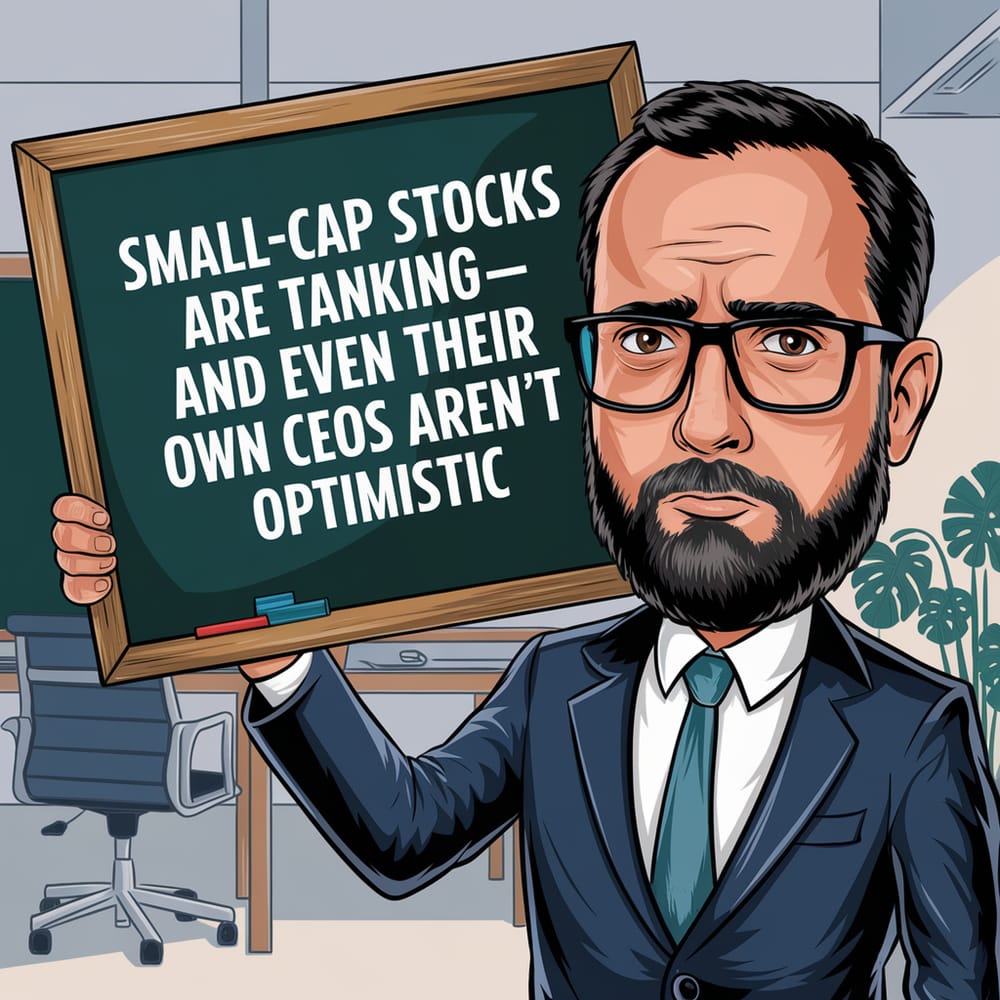
Small-cap stocks are struggling, and it’s not just investors who are losing faith—corporate executives are sounding the alarm, too.
The Russell 2000 index, which tracks small-cap companies, has dropped 10% from its late-2024 high. What’s behind the slump? Investors initially bet that Trump’s policies—like tariffs on foreign goods—would boost U.S.-based small businesses. But reality is proving to be much more complicated.
Why Are Small Caps Struggling?
📉 High Interest Rates Are Squeezing Them – Smaller companies rely more on borrowing, and with the Federal Reserve keeping rates high, their profit margins are shrinking.
📉 Trade War Fears – Industries like autos, manufacturing, and transportation make up a bigger portion of the Russell 2000 than the S&P 500, making them more vulnerable to tariffs.
📉 Investor Sentiment Is at Rock Bottom – A Bank of America analysis of earnings calls shows that small-cap executives are more pessimistic than they’ve been in 20 years compared to large-cap CEOs.
Are Investors Giving Up on Small Caps?
📊 Options traders are betting on more downside – Demand for put options (bets against small caps) has surged to levels not seen since December.
📊 Technical indicators look bad – The Russell 2000 just fell below its 50-, 100-, and 200-day moving averages, a bearish signal.
📊 A 10% crash could be coming – Analysts warn that if the index breaks below its January low, another big drop could follow.
Is There Any Hope for a Rebound?
Despite the doom and gloom, there’s still a chance for a turnaround:
✅ If inflation slows down, the Fed might cut rates, making borrowing cheaper.
✅ If Trump passes tax cuts, small businesses could get a boost.
✅ Historically, small caps tend to have sudden comebacks after periods of extreme pessimism.
For now, though, bears are in control, and small caps are on shaky ground.
© Copyright 2024. All Rights Reserved.
© Copyright 2024. All Rights Reserved.