

Shutdown Ends, But Washington’s Reboot Will Be Slow
Thursday, November 13, 2025
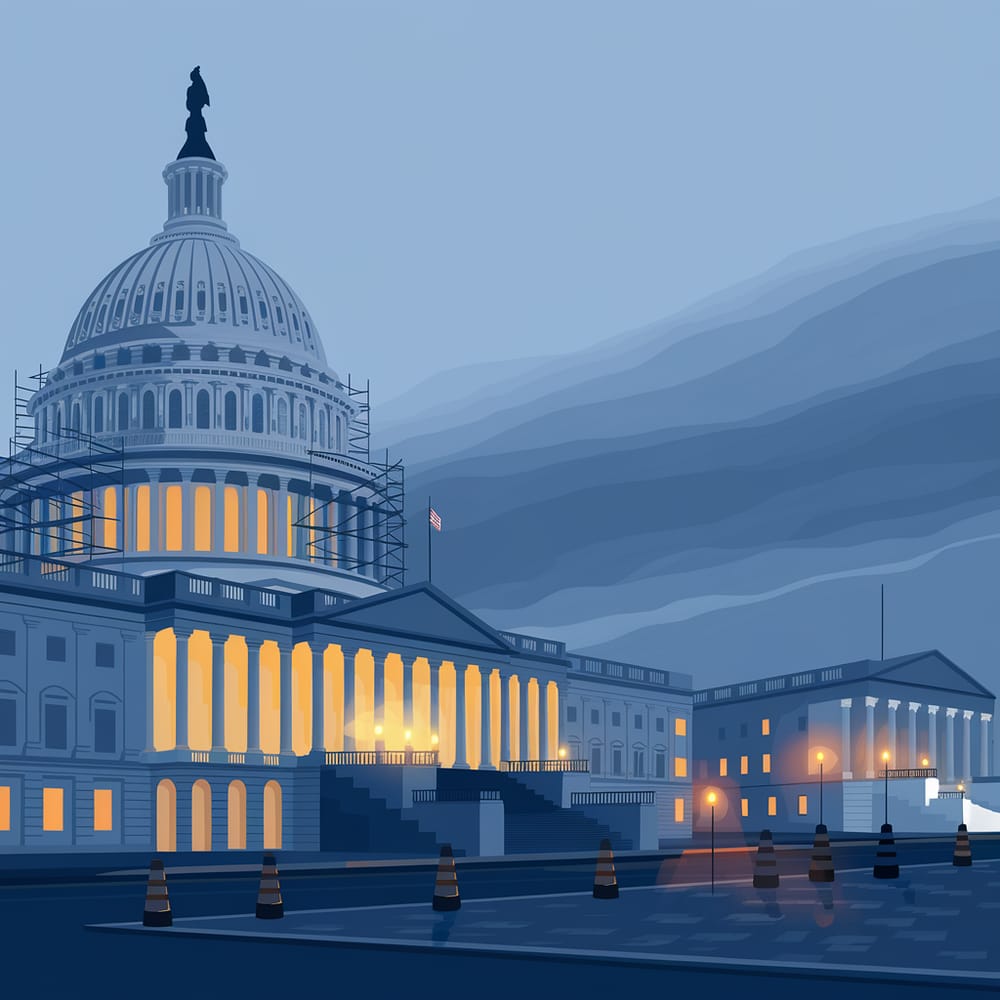
A Government Reopened, But Far From Recovered
The longest shutdown in U.S. history has finally ended, but flipping the switch back on won’t return Washington to business as usual. Federal agencies are warning that it will take days — and in some cases more than a week — before operations look anything like normal. Offices must be staffed again, systems restored, data updated, and backlogs cleared after more than a month of frozen activity.
A Massive Backlog Awaits
The shutdown didn’t just pause the government — it created a tidal wave of unfinished work. Grant payments, loan reviews, environmental approvals, tax processing, customer service requests, and inspection schedules all piled up with no one there to handle them. Payroll offices now have the added burden of issuing weeks of back pay, a task officials expect to roll out in stages as calculations are finalized.
Even critical services felt the strain. Air traffic controllers, already stretched thin, worked without pay for weeks. With normal operations resuming, the push is now to stabilize staffing, issue owed paychecks, and reduce the pressure that has built up across the national aviation network.
The Shutdown’s Hidden Costs
Beyond the visible disruptions, deeper financial consequences remain. Federal workers earned vacation and sick leave throughout the shutdown — benefits that now show up as additional liabilities in government budgets. Social programs, including food assistance, must re-sync their distribution cycles, and states anticipate heavy demand as those systems restart.
Meanwhile, federal agencies must dig through weeks of backlogged requests: scientific research approvals, regulatory work, public filings, rule-making processes, and social services applications. Each lost day means more work waiting on the other side.
A Slow, Uneven Restart
Most departments have shutdown contingency plans, but very few are designed for a six-week halt. Reopening requires more than unlocking doors. Staff must inspect equipment, reboot aging systems, address maintenance issues, and rebuild coordination across offices and regions.
The suspension of federal data gathering — from economic indicators to employment statistics — leaves policymakers with gaps that could distort forecasts for months. Analysts warn that missing information will complicate decisions on interest rates, budgets, and long-term planning.
A Price Tag That Doesn’t Disappear
Economists estimate the shutdown cost the U.S. economy billions in lost output, productivity, and activity. Many of those losses are permanent: delayed spending, canceled travel, expiring contracts, and work that can’t simply be “made up.” While some operations will rebound quickly, others may need weeks to regain momentum.
The shutdown may be over, but Washington’s recovery has only begun. The federal government is open again — just not fully functional yet.
© Copyright 2024. All Rights Reserved.
© Copyright 2024. All Rights Reserved.