

Senate Passes Shutdown Bill, Sends It to House in Race to Reopen Government
Tuesday, November 11, 2025
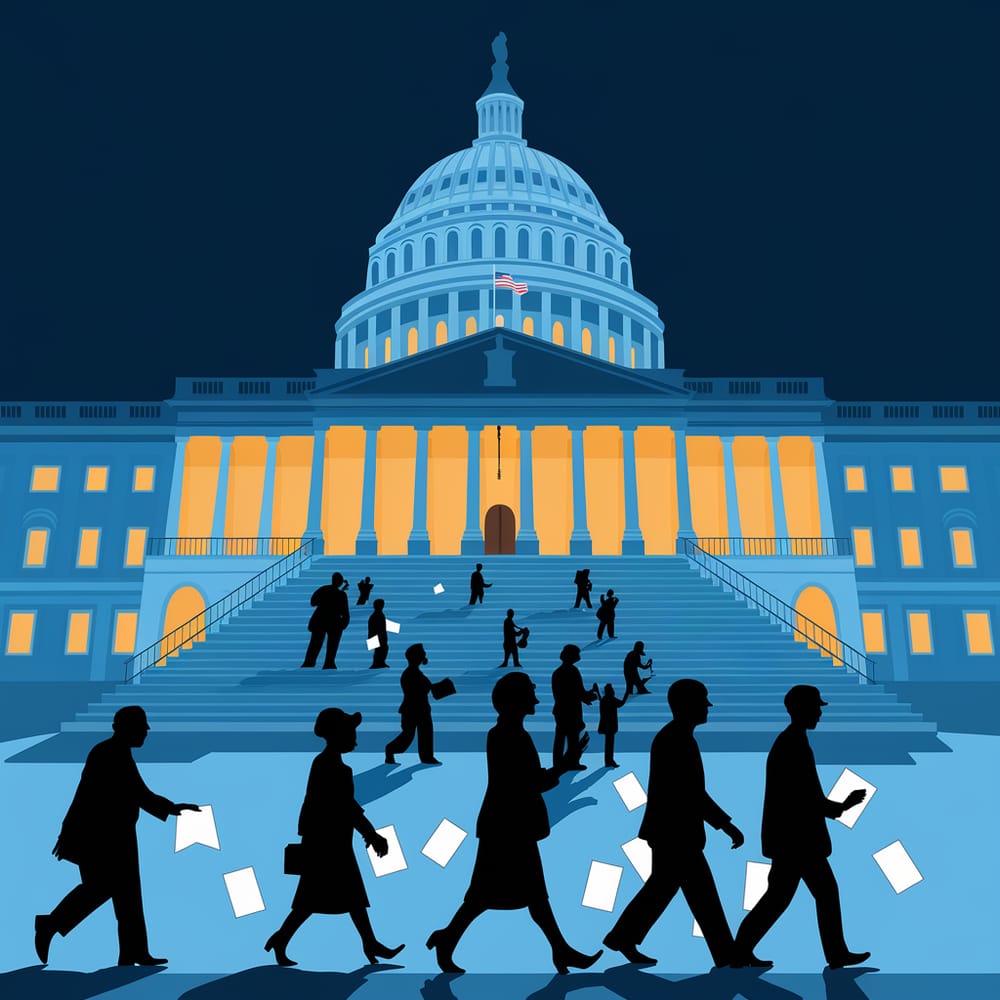
The Endgame for Washington’s Longest Shutdown
After 39 days of gridlock, the U.S. Senate has approved a new bill to end the government shutdown, sending it to the House of Representatives for final consideration. The measure, backed by President Donald Trump, could land on his desk within days, marking a breakthrough in one of the most disruptive shutdowns in American history.
Trump told reporters, “We have support from enough Democrats, and we’re going to be opening up our country,” signaling confidence that a deal was finally within reach.
What’s in the Bill
The legislation would fund the government through January 30, while providing back pay for federal workers, including air traffic controllers who were forced to work without pay. It also funds major departments like Agriculture and Veterans Affairs for the full fiscal year, and temporarily limits the president’s power to fire federal employees.
The deal also includes a side agreement: Senate Majority Leader John Thune pledged to hold a separate vote on healthcare reform later this year — though that concession drew backlash from progressive Democrats, with Sen. Bernie Sanders calling it a “horrific mistake.”
Political Tensions and Party Divisions
While moderates celebrated the compromise, Democratic infighting flared almost immediately. Several left-wing lawmakers, including Elizabeth Warren and Ro Khanna, blasted the agreement as a surrender. Warren said, “The American people want us to stand and fight for healthcare,” while Khanna declared that Senate Minority Leader Chuck Schumer had “failed to lead.”
Meanwhile, centrist Democrats like Jeanne Shaheen defended the deal, arguing that prolonging the shutdown would only “prolong the pain Americans are feeling.”
Economic and Market Reactions
The economic toll of the shutdown has been staggering — from thousands of flight cancellations to suspended food benefits and frozen IPO markets. But as news of the Senate vote broke, optimism began to spread through the financial world. Treasury yields ticked higher, signaling improved investor confidence, while oil prices rose on expectations of renewed demand once government operations resume.
Still, the labor market remains strained. Air traffic controllers — some of whom resorted to driving for ride-share companies during the shutdown — are expected to receive back pay, but President Trump’s threats to “dock” those who didn’t return to work raised fresh controversy.
What Happens Next
House Speaker Mike Johnson has said he “thinks” he has the votes to pass the measure, but the chamber must first return from its long recess. If the House approves the bill, it will bring an end to a standoff that has disrupted millions of lives and cost the U.S. economy billions.
For now, Washington appears ready to exhale — but with the deal only funding the government until late January, another shutdown showdown could be just around the corner.
© Copyright 2024. All Rights Reserved.
© Copyright 2024. All Rights Reserved.