

Sector Rotation: Defensive Plays Gain Ground Amid Market Uncertainty
Friday, August 14, 2026
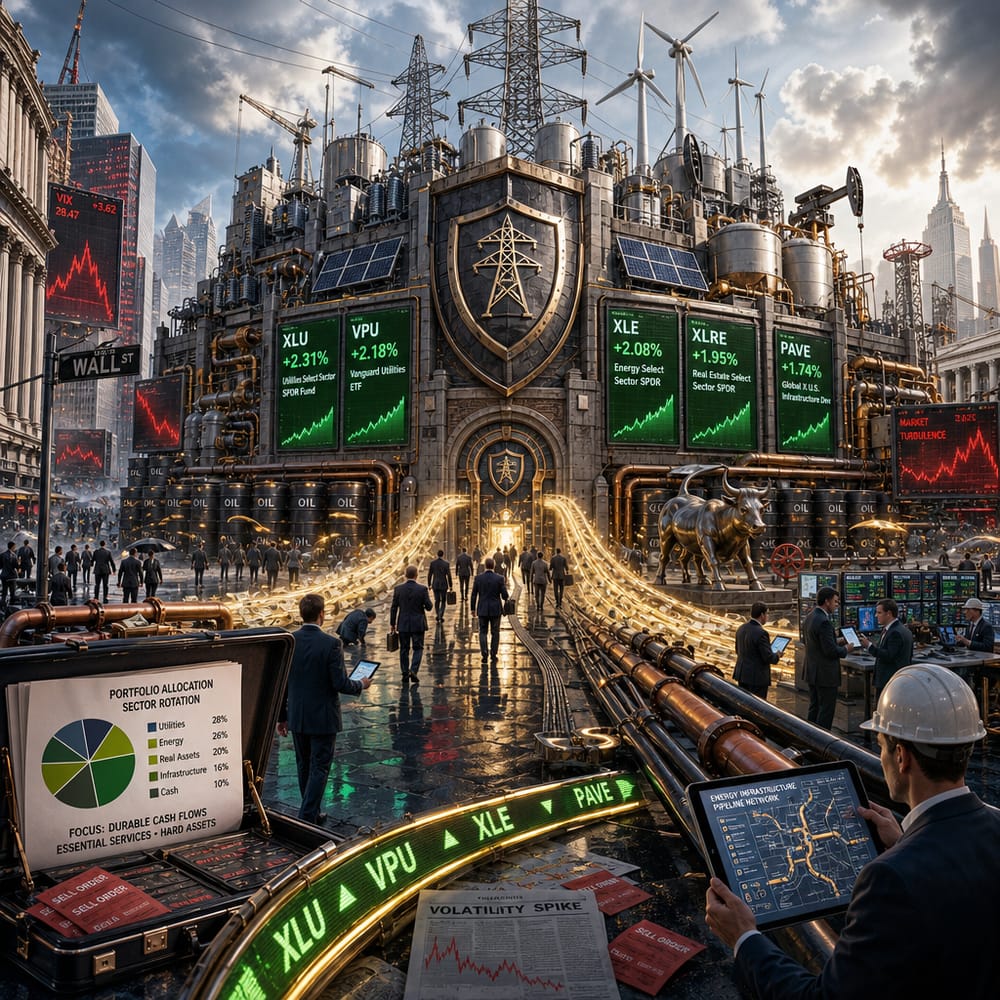
SECTOR ROTATION: DEFENSIVE PLAYS GAIN GROUND AMID MARKET UNCERTAINTY
If the stock market were a high school drama, defensive sectors would be the introverted bookworms suddenly getting all the attention from the popular kids. Lately, utilities and energy stocks have taken center stage, with investors flocking to these once-unassuming sectors like moths to a flame amid a fog of economic uncertainty. Why the sudden shift in sentiment? Let’s break it down.
In the land of bulls and bears, the word of the day is 'uncertainty,' spelled with a capital U. We’ve got everything from interest rate jitters to geopolitical tensions making the headlines. And what's a savvy investor to do when the market feels like a rollercoaster ride after a large lunch? Rotate into defensive sectors, naturally.
THE DRIVERS BEHIND THE SWITCH
First, let's talk about why utilities and energy are the current darlings. Traditionally, these sectors are seen as the financial equivalent of comfort food—they offer stability and dividends that can act as a buffer during economic turbulence. When you're worried about the global economy going sideways, a steady cash flow can feel as reassuring as grandma’s chicken soup.
Interest rates are another piece of this puzzle. The Federal Reserve’s hawkish stance, often causing shivers down Wall Street's spine, has put investors on edge. Defensive stocks, with their predictable dividends and stable earnings, become more appealing because they can withstand rate hikes better than, say, your average tech startup burning through cash like it's going out of style.
Plus, there’s the energy sector's wildcard—the price of oil. The geopolitical landscape is like a game of Risk gone awry, and oil prices are persistently volatile. Yet, for energy companies, higher prices often mean bigger profits. So while your gas bill might make you wince, your energy stocks could give you a reason to smile.
WHAT ABOUT CYCLICAL STOCKS?
You might remember cyclical stocks as the life of the party when times are good. But when the economic skies darken, they often find themselves in the proverbial corner, holding their punch cups. As investors pivot to defensive sectors, cyclicals like consumer discretionary and industrial stocks might take a backseat, experiencing slower growth or even outright declines.
The ripple effect on these stocks can be significant. With less investment, these companies might face more challenges when it comes to growth, potentially stalling projects or innovations. This doesn’t mean they'll be extinct—far from it. When the economy eventually regains its footing, cyclicals will likely bounce back, but the wait could be a little longer than anticipated.
RISKS AND OPPORTUNITIES FOR INVESTORS
Now, before you go all-in on utilities and energy, let's lay out the risks. First, despite their current allure, these sectors aren’t bulletproof. Regulatory changes or unexpected swings in commodity prices can shake things up. A mild winter could reduce energy consumption, cutting into profits. And legislative updates can sometimes feel as unpredictable as a soap opera plot twist, impacting how these sectors function.
On the flip side, the opportunities are ripe for those who play their cards right. For the risk-averse, defensive stocks can provide a relatively stable investment platform. Energy stocks, in particular, offer a chance to capitalize on potential oil price surges, though that ride can be bumpy.
For the adventurous, sector-based ETFs (exchange-traded funds) could be an efficient way to enter these markets. These funds allow investors to dip their toes into a diversified pool of companies within a specific sector without the commitment of picking individual stocks—think of it as speed dating for your portfolio.
THE BIGGER PICTURE
Overall, the rotation into defensive sectors signals a broader market sentiment of caution. Investors are essentially hedging their bets, preparing for both stormy weather and the eventual sunshine. This shift not only reflects their current mindset but could also influence broader market dynamics, potentially limiting the upside of more volatile sectors while supporting a floor under the defensive stalwarts.
In the financial world, as in life, balance is key. While utilities and energy are having their moment in the spotlight, a well-rounded portfolio will likely include a mix of growth and stability. So, whether you're a seasoned market player or a newcomer just trying to make sense of it all, remember that in investing, as in a good Netflix series, there's always more than one subplot to keep an eye on.
This article is for informational purposes only and is not investment advice. Always do your own research or consult a licensed financial professional before making investment decisions.
© Copyright 2024. All Rights Reserved.
© Copyright 2024. All Rights Reserved.