

Second Quarter Market Rally: S&P Climbs 15%
Tuesday, July 07, 2026
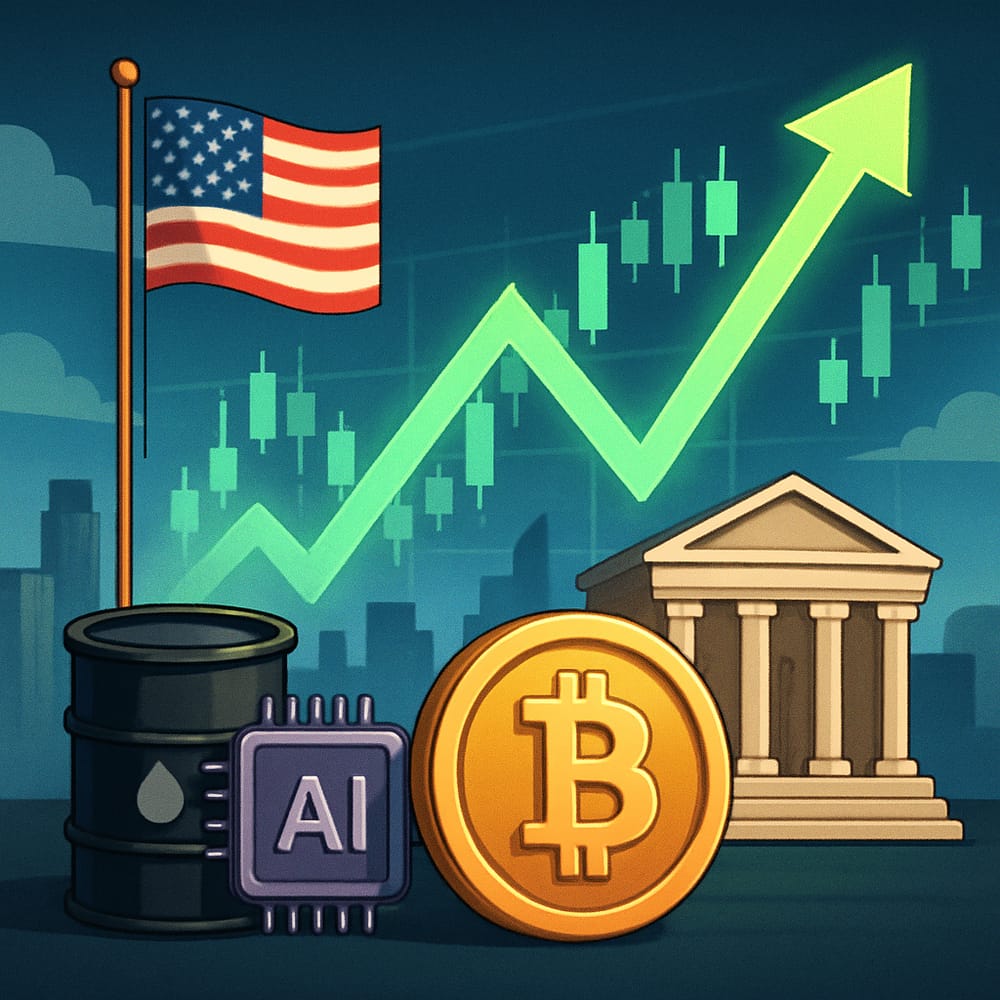
MARKET RALLY: S&P 500 SOARS 15% IN SECOND QUARTER
Let's dive into the thrill ride that was the second quarter of 2026. If we're being honest, the S&P 500's 15% climb from April to June felt less like a stroll through the market and more like a roller coaster, complete with anticipation, exhilaration, and a little bit of screaming. This rally is the strongest since 2020, and if you're wondering what lit the fuse, buckle up: it's a story of investor sentiment, economic recovery, and a dash of drama.
THE SECTORS IN THE SPOTLIGHT
Before we start popping champagne, let's break down which sectors stole the show. Tech stocks, as usual, had their moment in the sun, buoyed by the relentless demand for AI and its promise of reshaping... well, everything. Consumer discretionary, the stuff we buy when we're feeling flush, also saw a noteworthy rise, driven by an economy that seems to have a spring in its step. Even energy stocks got a boost, thanks to some geopolitical tensions that reminded everyone just how crucial oil is to the global machine.
A RALLY BUILT TO LAST?
If you're asking whether this rally has legs, you're not alone. The market, like a caffeinated squirrel, has been jittery with excitement, but is it sustainable? Well, the economic underpinnings—job growth, consumer spending, and business investments—are currently singing in harmony. The Federal Reserve's gentle hand with interest rates has kept credit flowing and optimism high.
But let’s not get too cozy. Remember, the market isn’t immune to shocks. Inflation, while tamed for the moment, is the specter lurking in the shadows. Any hint of it rising again could send markets into a tailspin. And then there's the global game of chess—a sudden geopolitical blunder, like the recent Iranian tantrum in the Strait of Hormuz, could turn this bull run into a rodeo.
MACRO THREATS ON THE HORIZON
Macro threats, those pesky big-picture worries, are ever-present. For one, there’s the global supply chain hiccup – a fancy phrase for “good luck finding what you need when you need it.” If supply chains don’t right themselves, the price of goods could climb faster than your uncle’s blood pressure at Thanksgiving dinner.
Then there’s the delicate dance with China. Chinese companies are muscling their way into the AI scene, offering cheaper alternatives to U.S. offerings. As American companies weigh costs against capabilities, the tech landscape could see a tectonic shift. Plus, tensions with China are like that uninvited uncle at the party—they could flare up at any moment.
Last but definitely not least, the Middle East situation keeps oil traders on edge. The latest kerfuffle in the Strait of Hormuz has thrown oil prices into a spin, reminding us that peace in the region is as stable as a Jenga tower on a windy day. Any serious disruption here, and oil prices will be the talk of the town again, but not in a good way.
LOOKING AHEAD TO THE SECOND HALF
So, what does this market roller coaster mean for the rest of 2026? If you’re feeling optimistic, you're not alone. Some market watchers believe there's more room for growth, especially if tech and consumer spending keep their engines running. However, caution is the name of the game. Diversification remains your best friend—spread those investments around like you're buttering toast.
In this unpredictable landscape, keeping an eye on global events, economic indicators, and interest rates will be crucial. Essentially, stay informed, stay engaged, and maybe hold off on any major financial decisions until the dust settles a bit.
The second quarter has given retail investors plenty to cheer about, but as with any good ride, it’s essential to strap in, stay aware, and sometimes scream a little. Whether this market rally continues to scale new heights or eventually takes a breather, one thing is for sure: it’s going to be a thrilling journey.
This article is for informational purposes only and is not investment advice. Always do your own research or consult a licensed financial professional before making investment decisions.
© Copyright 2024. All Rights Reserved.
© Copyright 2024. All Rights Reserved.