

SEC's New Proposal: Regulation Crypto Assets
Friday, August 28, 2026
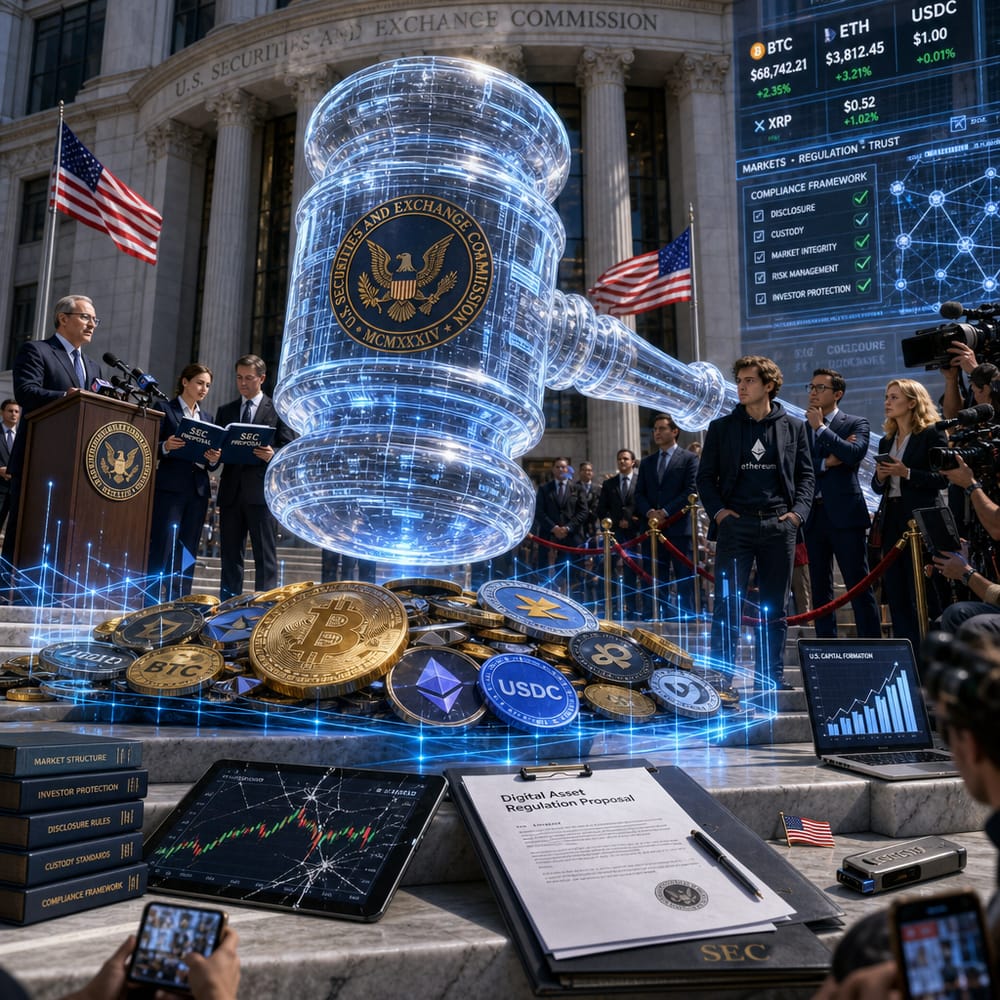
SEC'S NEW PROPOSAL: REGULATING CRYPTO ASSETS
So, here we are again: the SEC is back in the spotlight, and this time they're not playing around. They've rolled out a proposal that could redefine how we think about digital assets. If the crypto world was a reality TV show, right now, the SEC would be shouting, "I'm the captain now!"
THE BIG REVEAL: WHAT'S IN THE PROPOSAL?
For those in need of a refresher, the SEC's latest proposal aims to put some structure into the Wild West of digital assets. It's like they've whipped out some blueprints and are telling crypto, "Time to build some orderly skyscrapers, buddy." But what exactly is inside?
First, they're all about clarity. The proposal lays down a framework to help distinguish between what qualifies as a security and what doesn't. No more playing "Is it or isn't it?" with tokens. The SEC wants to make sure that when you invest in something that looks, swims, and quacks like a security, it's treated like one, too.
The framework also includes rules on token issuance. Think of it as a rulebook for launching a crypto project without tripping over legal landmines. They're even looking at investor protections, ensuring that your shiny new tokens aren't just smoke and mirrors.
COMPARING NOTES: SEC VS. THE CLARITY ACT
Now, if you're wondering how this stacks up against the CLARITY Act—a previous attempt to bring order to crypto chaos—you're not alone. The CLARITY Act tried to create a regulatory sandbox, giving projects room to innovate without being buried in red tape. The SEC's proposal, however, feels more like a gated community with strict bylaws.
While the CLARITY Act was all about nurturing growth with a gentle nudge, the SEC's plan is more about laying down the law. It's reminiscent of that old parental line: "My house, my rules." Both aim for transparency, but the SEC seems to be pushing for tighter controls.
IMPACT ON TOKEN ISSUANCE AND INVESTOR PROTECTIONS
If you're a crypto entrepreneur, this proposal is a bit like getting a new set of commandments. The rules on token issuance could mean longer timelines for launching new projects. While that might sound like a buzzkill, think of it as a way to weed out the pump-and-dumpers from the serious players.
But it's not all bad news. For retail investors, this could be a game-changer. Stricter issuance rules could mean reduced risks of buying into scams or overly hyped projects. It's like having a radar for spotting those fishy investments before they catch you off guard.
The investor protections are like a safety net, ensuring you don't end up holding a handful of worthless tokens if a project goes belly up. Finally, some peace of mind in a world that often feels like it’s run by digital cowboys.
THE CRYPTO COMMUNITY REACTS
The crypto community, predictably, is a mixed bag of reactions. Some are welcoming the SEC's proposal with open arms, hoping it will bring legitimacy and stability to the market. After all, nothing says "we've arrived" like a well-regulated market.
On the flip side, there are those who see the SEC as a party pooper. They're worried that too much regulation could stifle innovation and chase projects offshore, where they can operate with less oversight. It's the delicate dance between freedom and structure, and not everyone agrees on the tempo.
WHAT'S NEXT?
As this proposal makes its way through the labyrinth of legislative processes, keep an eye on how it evolves. Will it become a beacon of clarity that guides the crypto market to new heights, or will it become a straitjacket that stifles growth?
One thing's for sure: the SEC isn't just dipping its toes into the crypto waters anymore. They're diving in headfirst, and the ripples are bound to be felt across the entire financial ecosystem. So, whether you're a crypto enthusiast or a cautious observer, grab some popcorn. This regulatory drama is just getting started.
This article is for informational purposes only and is not investment advice. Always do your own research or consult a licensed financial professional before making investment decisions.
© Copyright 2024. All Rights Reserved.
© Copyright 2024. All Rights Reserved.