

SEC's New Crypto Regulation Proposal
Saturday, August 29, 2026
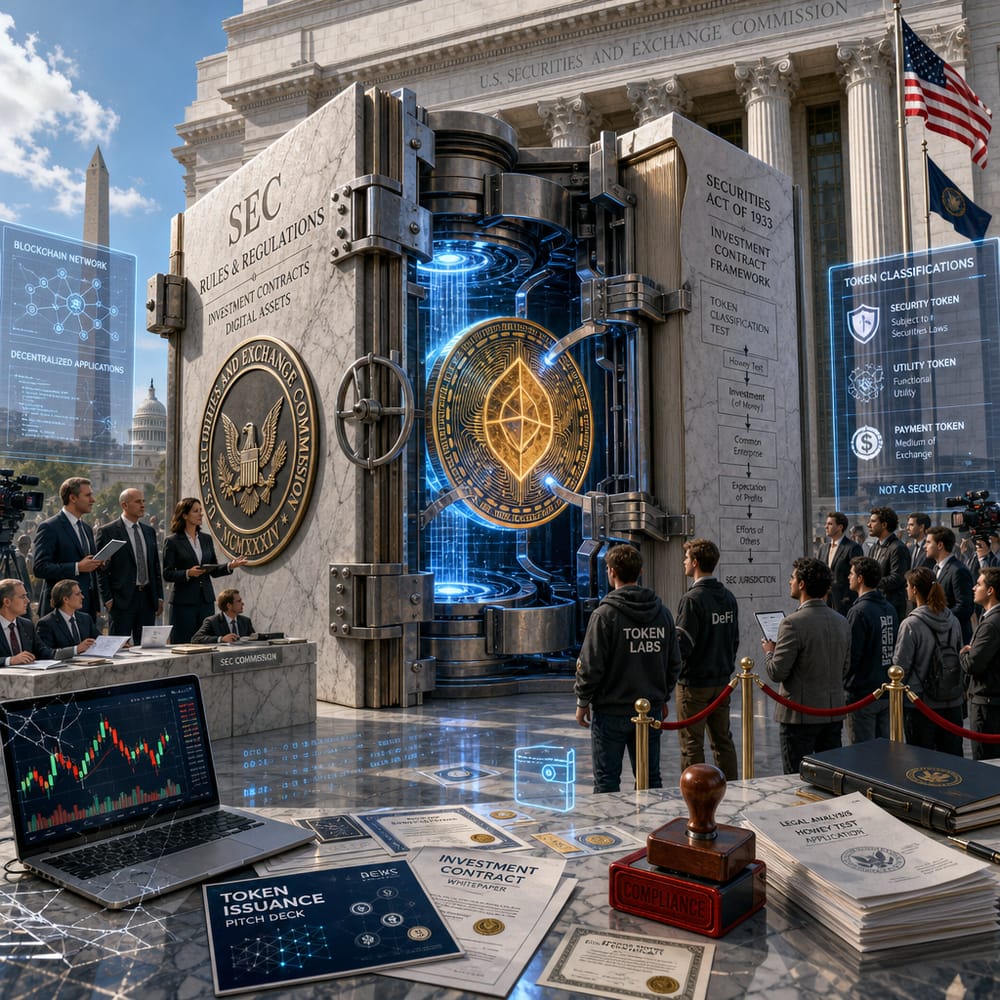
CRYPTO REGULATIONS: THE SEC'S LATEST PLOT TWIST
If you're into crypto, listen up. There's a new sheriff in town, and its name is the SEC. The agency has cooked up a proposal called "Regulation Crypto Assets," and it's not just another yawn-inducing government document. This is a game-changer that could rewrite the rulebook for crypto projects in the U.S.
But before you think of ditching your tokens for stocks, let’s break down what’s really happening. The SEC, or the Securities and Exchange Commission, wants to create a tailored framework for what it calls "crypto investment contracts." Basically, they’re trying to figure out whether your digital coins are more like stocks than, say, Monopoly money. And if they're right, then it's time for crypto startups to start playing by Wall Street rules.
So, what’s in this proposal that's got everyone talking faster than you can say “blockchain”? First off, the SEC is looking to provide clarity—yes, you heard that right—about which cryptocurrencies fall under securities laws. Picture it like a crypto sorting hat, deciding which tokens are magical investments and which are just Muggle money.
The proposal suggests focusing on the functionality and marketing of crypto assets. In English, that means it’s not just about what a token does, but how it's sold. If you're promising profits to investors based on the work you're doing to make your token valuable, the SEC might say, "Hey, that’s a security!" And then you’d better be ready for some regulation-style paperwork.
But here's the rub: This proposal could hit new crypto projects like a ton of digital bricks. Imagine you’re a startup with a fresh idea and a gleaming new token. The SEC comes knocking and says, "Hey, we need you to register that." Suddenly, you're looking at time, money, and legal hoops that could turn your revolutionary project into a regulatory red tape nightmare.
For crypto startups, this could mean a major shift. Right now, launching a crypto project can be as simple as writing some code and getting a few tweets out. But with the SEC's plan, the road to market might get a whole lot bumpier, with compliance checks and official forms turning your sleek startup into a regulatory marathon.
And let's not forget the current players in the game. Token issuers who have been enjoying the Wild West vibes of the crypto world might find themselves wrangling with more rules than a cowboy at a rodeo. The SEC's proposal could mean more oversight, more accountability, and yes, more headaches for those already sailing the crypto seas.
But before we start strumming the death knells for all things crypto, consider this: Regulation could also mean legitimacy. Yeah, it might be a pain now, but imagine a world where crypto isn’t viewed as the financial wild child but as a robust, secure investment option. Regulation could open the floodgates to more mainstream adoption and trust among investors who currently see crypto as a risky gamble.
Of course, not everyone’s thrilled. Crypto purists argue that this regulation could squash innovation and turn the U.S. into a no-go zone for crypto pioneers. Some startups are already eyeing friendlier territories, where decentralization isn’t a dirty word. The digital nomads of the crypto world could pack up their algorithms and head to greener, less-regulated pastures.
But, wait a sec—where does this leave the crypto community at large? Are we headed for a blockchain breakdown or a crypto renaissance? Well, it’s all about balance. The SEC is trying to protect investors without stifling innovation, a tightrope walk that's about as easy as coding with spaghetti.
So, as the debate heats up, keep your eyes on the SEC. This proposal could redefine not just the future of crypto, but the entire landscape of digital finance. Will crypto fold under the pressure, or will it rise, phoenix-like, into a new era of regulated glory?
The answer might just depend on what happens next. Just remember, in the world of crypto, nothing is written in stone—or code.
This article is for informational purposes only and is not investment advice. Always do your own research or consult a licensed financial professional before making investment decisions.
© Copyright 2024. All Rights Reserved.
© Copyright 2024. All Rights Reserved.