

S&P and Nasdaq Futures Mixed: Tech Uncertainty vs. Macro Engines
Thursday, July 02, 2026
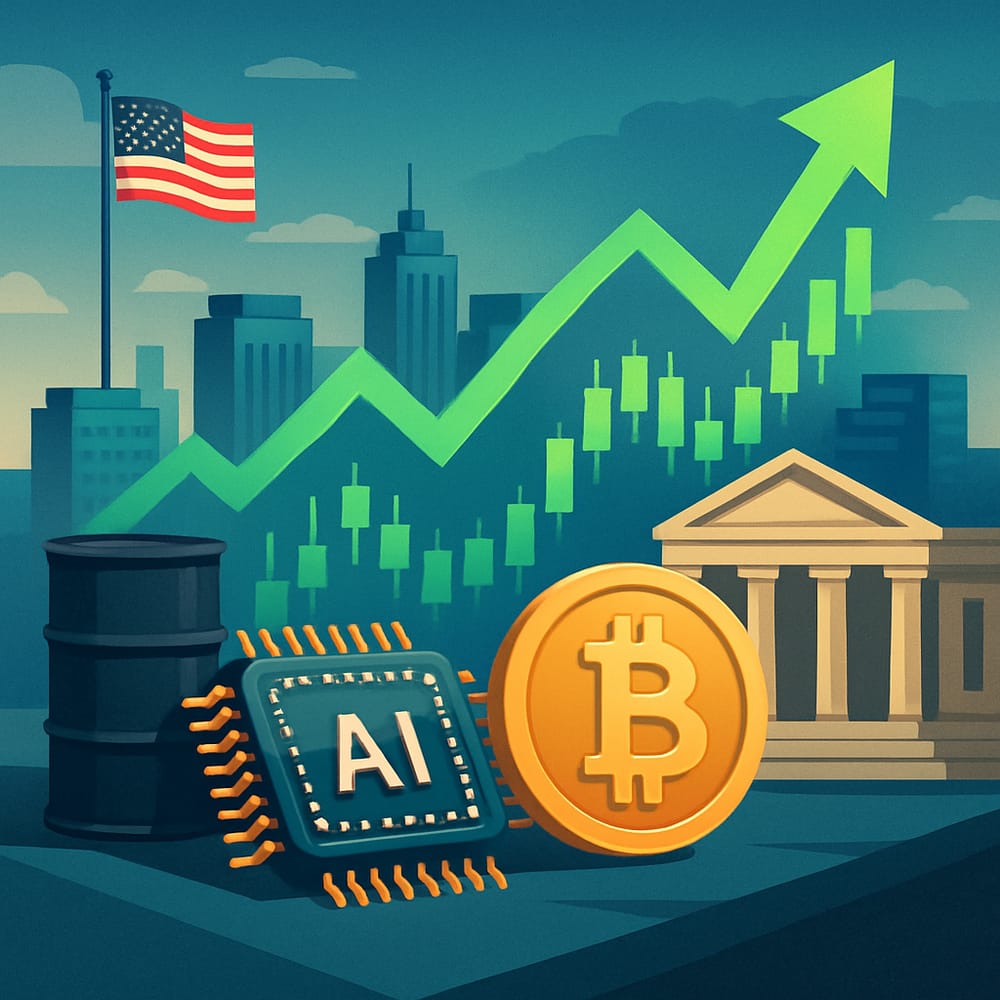
S&P AND NASDAQ FUTURES MIXED: TECH UNCERTAINTY VS. MACRO ENGINES
The futures market is like an espresso shot for traders—quick, intense, and a little jittery. And today? It's effectively a double shot, with a twist of tech uncertainty and a dollop of macroeconomic anxiety. As of this morning, the S&P 500 and Nasdaq futures are like siblings stuck in a perpetual tug-of-war—one tugging forward, the other pulling back.
The spotlight’s on the Nasdaq, struggling to shake off pressure as tech stocks face a rough ride. Meanwhile, the Dow and Russell are exhibiting the kind of poise you’d expect from a seasoned poker player—steady, composed, unfazed. If futures are any indication, we’re in for a split-screen drama starring tech volatility against a backdrop of macroeconomic calm.
WHY THE TECH BLUES?
So, what’s got the Nasdaq looking like it woke up on the wrong side of the bed? Two words: artificial intelligence. Ironically, AI, the darling of the past few years, is now dragging down the tech heavyweights. While companies like Meta are pushing cloud business to sell excess AI compute power, concerns about AI costs spiraling out of control are making investors skittish. Palantir’s CEO Alex Karp even took a jab at AI models, criticizing them for being a bit too pricey for their own good. It seems the race to AI supremacy is more marathon than sprint, with some tripping over the cost hurdles.
And let's not forget inflation—the nemesis of investor optimism. Fed Chairman Kevin Warsh is playing his cards close to his chest, offering no hints about the upcoming July rate decision. But his admission that inflation is “too high” isn’t exactly a lullaby for anxious traders.
THE MACRO BALANCE
While tech is navigating choppy waters, the broader market’s mood isn’t entirely grim. The Dow and Russell futures are holding their ground, possibly buoyed by sectors less tethered to tech’s turbulent tides. Recent private payroll data, with healthcare-related sectors leading job growth, paints a picture of resilience in certain areas. With the official jobs report on the horizon, we could see a ripple effect across sectors, depending on whether the employment numbers hit or miss expectations.
Retail investors, here’s where you come in. Jobs data isn’t just a number—it’s a pulse check on the economy. A stronger-than-expected report could signal consumer confidence and spending, potentially bolstering sectors like consumer goods and services. On the flip side, weaker numbers might amplify recession fears, spooking markets.
SET YOUR SIGHTS: LONG OR SHORT?
For those eyeing retail trading setups, here’s a thought: the tech sector might be down, but it’s not out. Consider this—a pullback in tech could spell opportunity for those daring enough to go long. Names like Nvidia and Apple, despite the current tech slide, have shown resilience before and could rebound on positive AI developments or policy shifts.
Short sellers, on the other hand, might find fertile ground in tech’s current vulnerability. If you believe the AI cost concerns and inflation jitters will persist, placing bets against overvalued tech stocks might be your game. That said, short with caution—tech is known for staging comebacks when least expected.
LOOKING AHEAD
As the trading day unfurls, keep your eyes peeled for market-moving news. The Federal Reserve’s next move on interest rates and the forthcoming jobs report could swing the pendulum in unexpected directions. While tech’s drama may dominate headlines, remember that the market is a mosaic of sectors, each with its own story to tell.
In the end, whether you’re a bullish optimist or a bearish skeptic, today’s market setup serves one undeniable truth: there’s never a dull moment in the world of futures. So, grab your proverbial trading glasses, keep your wits about you, and get ready to navigate the market’s latest plot twist. It’s going to be a wild ride.
This article is for informational purposes only and is not investment advice. Always do your own research or consult a licensed financial professional before making investment decisions.
© Copyright 2024. All Rights Reserved.
© Copyright 2024. All Rights Reserved.