

S&P 500 Hits Record High Amid Job Cuts, Then Retreats on Oil Price Surge
Sunday, August 16, 2026
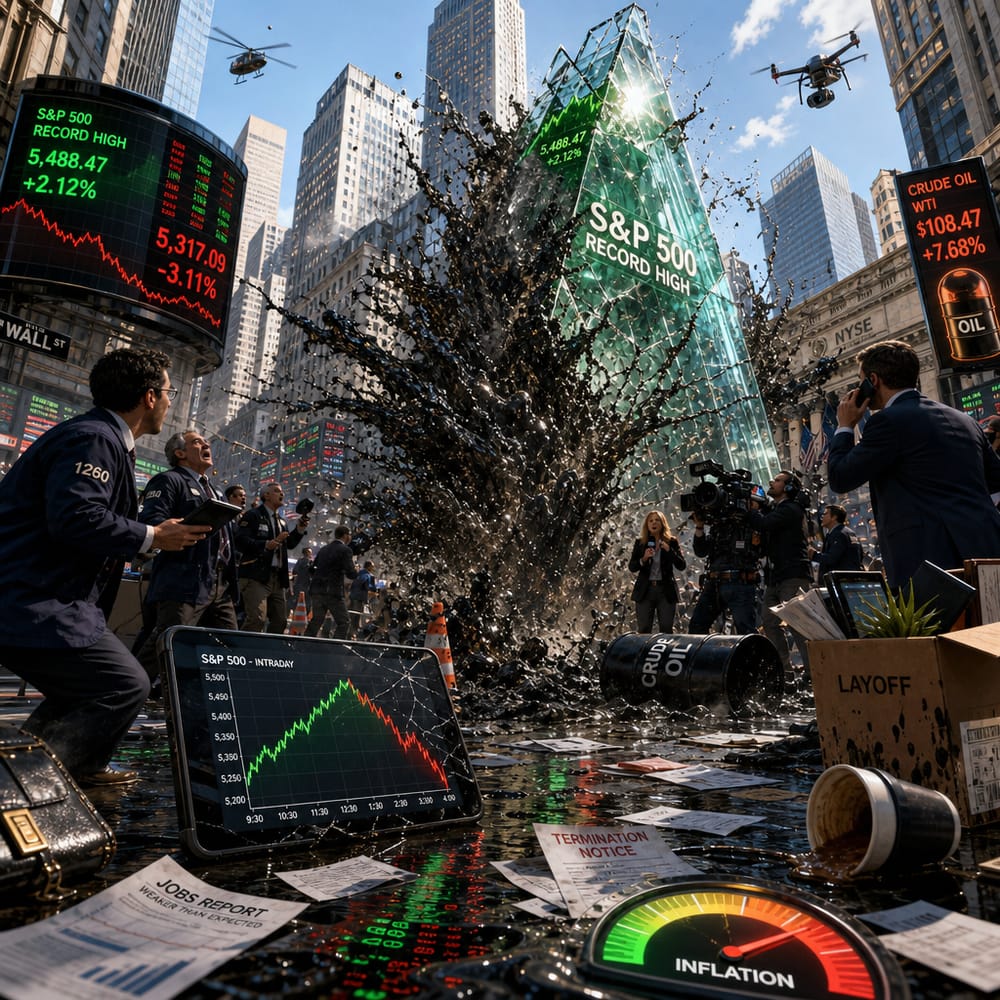
Rising oil prices, job cuts, and a Federal Reserve pondering its next move — sounds like a thrilling episode of Market Drama 101, right? Buckle up, because the S&P 500 just gave investors a wild ride. The index merrily soared to new heights after weaker-than-expected employment data, only to tumble back down thanks to an oil price surge. Like a financial roller coaster ride, this week has reminded us just how sensitive markets can be to economic indicators and global commodity prices.
First, the highs. The S&P 500 hit an all-time high, buoyed by the news that job growth wasn’t quite as booming as expected. It was the kind of news that usually sends investors racing to check their portfolios. This was like a calm breeze in the face of fears that the Federal Reserve might hike interest rates aggressively to cool down an overheated job market. Fewer jobs mean less pressure on wages and, by extension, less pressure on prices. Investors saw this as a hint that the Fed might chill on interest rate hikes, which usually makes stocks more appealing.
But just as investors were getting comfortable, oil prices decided they wanted some of the spotlight. An unexpected jump in oil prices sent a ripple of inflation worry through the market. Oil, that slippery devil, influences the cost of everything from gasoline to your favorite grocery item. When oil prices surge, it's like inflation showing up at your door with a suitcase, ready to settle in.
So, what does this mean for inflation and the broader market? Rising oil prices could reignite inflation fears, complicating the Fed's balancing act. If the price hike persists, it could lead to higher costs for businesses, which they might pass on to consumers. This could prompt the Fed to reconsider its interest rate stance to prevent inflation from spiraling out of control, potentially putting a damper on economic growth.
With the Fed's July meeting minutes revealing a visible split among policymakers, the central bank's next move feels like a suspenseful page-turner. Some Fed officials are advocating patience — a wait-and-see approach — while others have hinted at possible rate hikes if inflation heats up again. It's a classic case of "damned if you do, damned if you don't." Raise rates too quickly, and risk throttling economic recovery; wait too long, and inflation might run amok.
With mixed economic signals, the Fed's response could sway market moods either way. Investors should prepare for continued volatility as the central bank navigates this tricky terrain. If you’re wondering whether to stash or splash your cash, keeping an eye on the Fed’s messaging will be crucial.
This latest market drama underscores a vital truth: economic indicators and commodity prices wield enormous power over investor sentiment. With oil prices on the rise and the job market throwing surprises, it's a reminder to retail investors not to get too comfortable with current market highs.
As we navigate this economic theater, remember that the Fed’s ultimate goal is to maintain balance — like a tightrope walker clutching a pole, trying not to tip over. The market’s reaction to these events shows just how tuned-in investors are to every hint and whisper from economic data and commodity prices.
So, what's the takeaway from this whirlwind week? Stay informed, be nimble, and hold on tight. The market's ups and downs might be nerve-wracking, but for those who keep their eyes peeled and ears perked, it could also mean opportunities knocking. After all, even amidst the chaos, some sectors and stocks might just emerge as the dark horses — ready to race ahead when the dust settles.
This article is for informational purposes only and is not investment advice. Always do your own research or consult a licensed financial professional before making investment decisions.
© Copyright 2024. All Rights Reserved.
© Copyright 2024. All Rights Reserved.