

Russia Moves to Restrict Retail Crypto Trading to BTC, ETH, and USDT
Monday, August 17, 2026
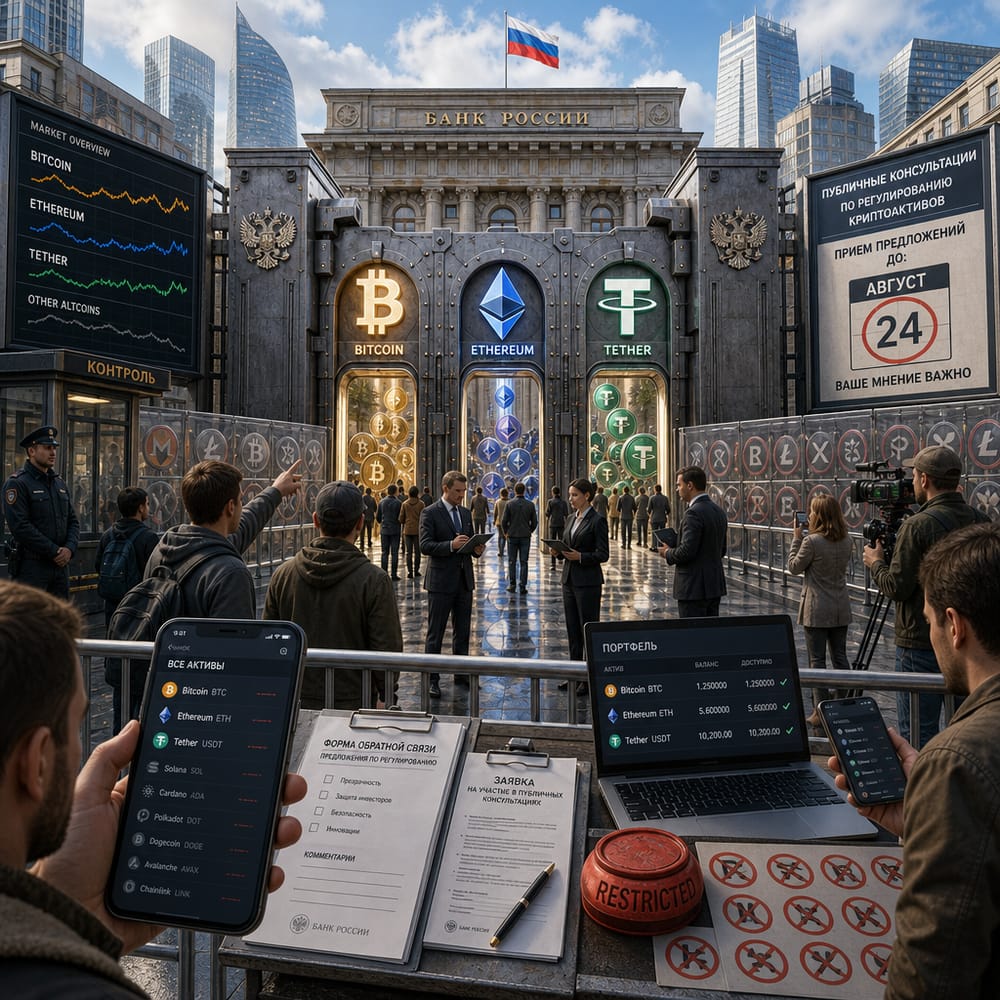
Russia is playing chess while others are playing checkers, and it’s moved its queen. The Bank of Russia, in a dramatic regulatory gambit, announced plans to limit retail crypto trading to a trio of digital titans: Bitcoin, Ethereum, and Tether. This move, which comes with an open feedback window until August 24, speaks volumes about the country's evolving stance on cryptocurrencies.
Why does this matter? For starters, this maneuver is a clear signal that Russia is tightening its crypto grip. It's like a digital Iron Curtain, dropping to shield the ruble from the perceived chaos of the crypto Wild West. But beyond the Motherland, this could have ripples that reach far across the global crypto ocean.
Let's get one thing straight: Russia hasn’t exactly been the Wild West of crypto laissez-faire. It has flirted with the idea of banning crypto, and this latest move shows a pivot toward a more controlled, predictable market. By restricting access to the rockstars of the crypto world—Bitcoin and Ethereum—and the ever-stable Tether, it's clear that Russia is rolling out the red carpet for only the most trusted guests.
So, what’s in it for Russia? Limiting the crypto playground to these heavy hitters might be a defensive play against volatility and fraud, both of which are as common in the crypto space as cats on the internet. Bitcoin and Ethereum are the old guard, having built reputations on the back of robust technologies and widespread adoption. And Tether? Well, this stablecoin is pegged to the U.S. dollar, making it a more predictable vehicle in turbulent times.
The impact on the Russian crypto market could be profound. Smaller coins, which often thrive on speculative trading, might find themselves in a tighter spot. Imagine trying to run a marathon when the starting line just moved five miles back. Crypto entrepreneurs in Russia, accustomed to a broader portfolio, will have to recalibrate, possibly focusing their energies and investments into these sanctioned assets.
But hold on. The implications here stretch well beyond Russia's borders. This move could set a precedent for other nations contemplating how to wrangle the crypto beast. The message is clear: if you're going to dabble in crypto, do it with the big boys or don't do it at all. Other countries, particularly those with tight economic controls or a wary stance on digital currencies, might take a page from Russia’s playbook.
For international crypto traders and companies, this is a big flashing neon sign that says "Caution: Regulations Ahead." As countries like the U.S. continue to grapple with their own crypto regulations, Russia’s approach could either serve as a blueprint or a cautionary tale. The global crypto community needs to brace itself for similar restrictions and start looking over their shoulders.
As for the crypto market as a whole, don’t expect this to be the final chapter. With geopolitical tensions simmering in various corners of the world, countries are drawing up their own battle plans for digital currency regulation. From the U.S. and Europe to Southeast Asia and beyond, everyone is watching how these moves play out, and whether they stabilize or destabilize the markets.
In essence, Russia's latest move is not just about curating its crypto market; it’s about laying down a marker on the world stage. It’s a strategic play, and the rest of the world will be watching closely to see how this chess game unfolds. As always, crypto traders and enthusiasts should keep their ears to the ground, because in the world of digital currencies, the only constant is change.
This article is for informational purposes only and is not investment advice. Always do your own research or consult a licensed financial professional before making investment decisions.
© Copyright 2024. All Rights Reserved.
© Copyright 2024. All Rights Reserved.