

Russia Limits Retail Crypto Trading to Bitcoin, Ethereum, and USDT
Monday, August 17, 2026
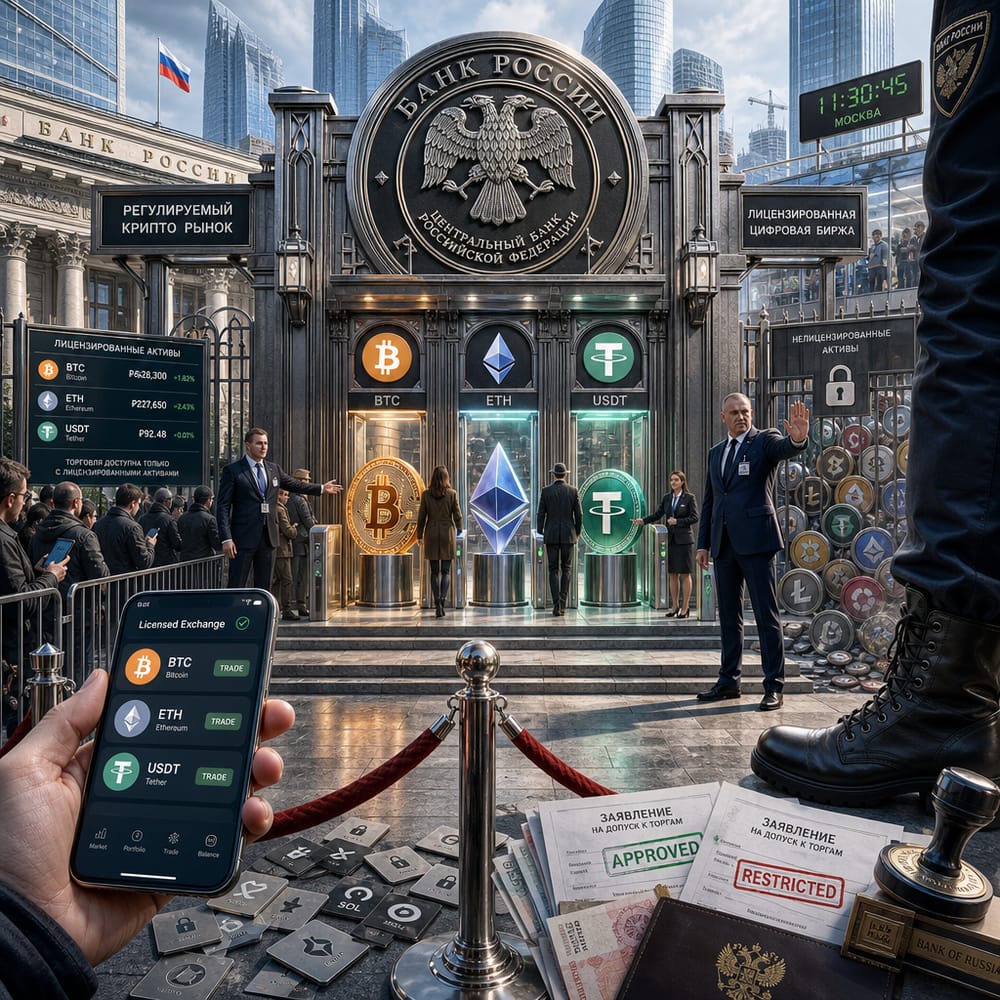
Russia’s New Crypto Move: Betting on Bitcoin, Ethereum, and USDT
Russia just rolled out the red carpet for Bitcoin, Ethereum, and USDT, while slamming the door shut on other cryptocurrencies. It’s a move that’s got the crypto world buzzing more than a beehive on a summer day. So, why did the Bank of Russia decide to play favorites with these crypto darlings, and what does it mean for the rest of the world watching from the sidelines?
First, let’s take a little stroll through the reasons behind this decision. Picture the Russian regulators sitting around a table with their favorite matryoshka dolls, brainstorming how to bring some sort of order to the crypto chaos. Their answer? Let’s trim the party guest list to just Bitcoin, Ethereum, and USDT for retail investors on licensed exchanges. It’s like only letting the top three rock stars into an exclusive club while the rest of the band waits in the van. Why these three? Because they’re the most credible in the eyes of many regulators—Bitcoin and Ethereum due to their longevity and market dominance, and USDT because it’s a stablecoin, meaning it’s pegged to a currency like the US dollar. That stability adds a layer of comfort for regulators who have trust issues with the crypto world’s inherent volatility.
Now, let’s talk about implications. The Kremlin’s crypto cut could potentially rewrite the playbook for nations still undecided on digital currency regulation. Countries around the globe may see this as a clarion call or a cautionary tale. They’re watching intently, wondering if this selective approach might just be the golden ticket to keeping the wild west of crypto under control without stifling innovation entirely.
For crypto enthusiasts and investors, the impact of Russia’s decision could be a mixed bag. Bitcoin and Ethereum might get a little extra love in Russia, attracting new users who feel emboldened by a semblance of regulatory endorsement. On the flip side, altcoins—those lesser-known cryptocurrencies—might start feeling like they got picked last in gym class. In a market driven by supply, demand, and speculation, a narrowing of the accessible options could shift investment strategies, putting more spotlight—and potentially more volatility—on the chosen few.
As for the global scene, this move could either validate or vilify digital currencies. If successful, Russia’s decision may embolden other countries to embrace a streamlined approach. It could also force platforms operating in multiple regions to reconsider which coins they offer, potentially consolidating the market around a few major players and leaving smaller tokens struggling to find a home.
At home, Russians might start embracing crypto in new ways. With state-approved digital currencies, more people might feel comfortable diving into the crypto pool. Bitcoin, Ethereum, and USDT could see a surge in adoption within Russia, potentially driving up their prices globally. Imagine the impact of millions of Russians suddenly warming to the idea of using these three coins for everything from investment to everyday transactions like buying borscht at the local market.
However, it also means the rest of the crypto crowd will be left in the cold. Smaller coins could lose Russian trading volume, which might hit them hard depending on how reliant they are on Russian investors. Additionally, crypto innovators focusing on new coins and technologies might think twice about targeting the Russian market, knowing their creations won't make it past the velvet ropes of regulation.
In the end, Russia's bold move is a gamble on crypto’s most established players to bring some stability and oversight to a notoriously tumultuous market. Whether this strategy pays off or implodes remains to be seen. But for now, Bitcoin, Ethereum, and USDT are basking in the glow of regulatory favor, while the rest of the crypto world watches closely, wondering who'll be next to make a similar bet.
This article is for informational purposes only and is not investment advice. Always do your own research or consult a licensed financial professional before making investment decisions.
© Copyright 2024. All Rights Reserved.
© Copyright 2024. All Rights Reserved.