

Rising Jobless Claims Hint at Labor Market Softening
Friday, August 21, 2026
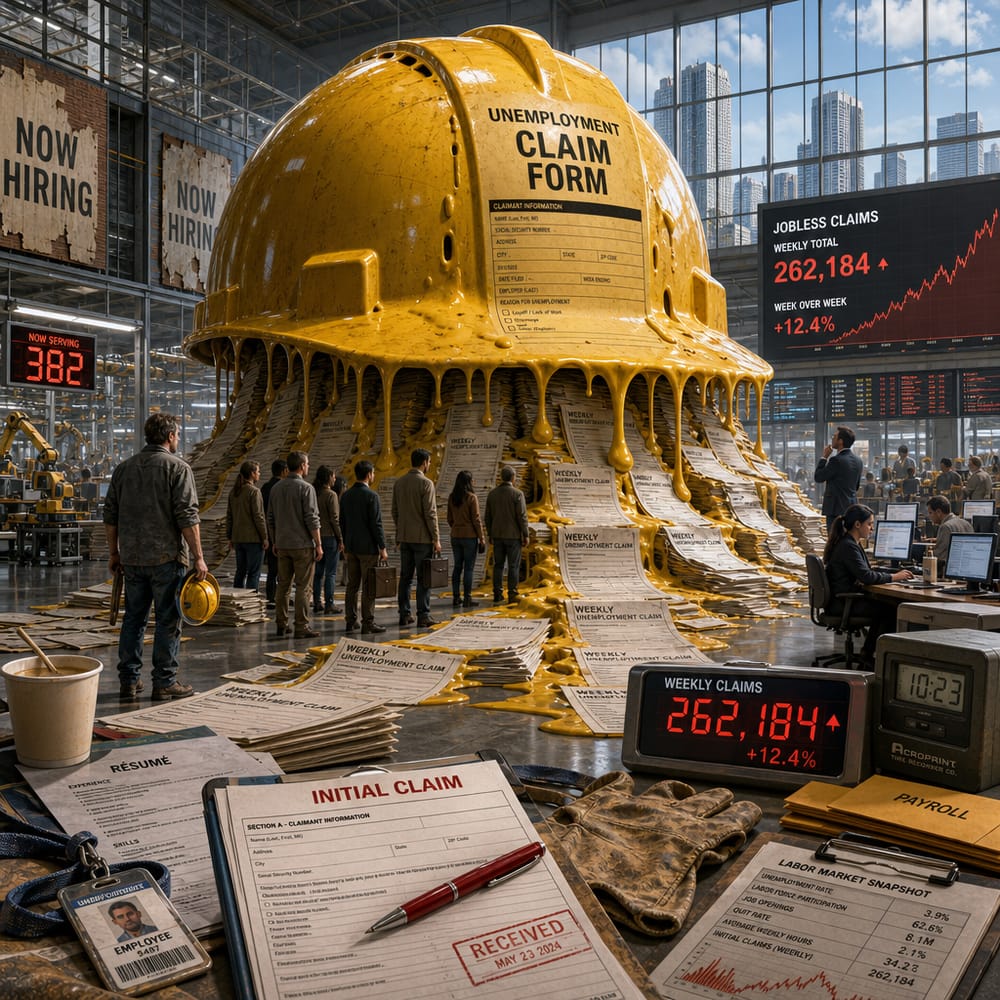
The labor market's been riding a tightrope, and it looks like the balancing act is getting a little wobbly. Weekly jobless claims just took a step up, hinting that the job market might be losing some of its swagger. For those of you refreshing your newsfeeds with bated breath, this could be an early sign that the labor market's cooling. But what does that really mean for you, the Fed, and that shiny new gadget you've been eyeing at your favorite store?
So, why are more folks ringing up the unemployment line? Picture this: the economy has been like a hot air balloon—buoyant and rising—thanks to some nifty fiscal and monetary policies. But every balloon has its limits, and the increased jobless claims could be the first whispers of deflation. Companies might be hitting pause on hiring as they brace for economic uncertainties, like high interest rates or even a potential recession.
Consumer confidence is like the thermostat of the economy; when it's cranked up, spending soars. But should the job market show real signs of weakening, that thermostat might soon be nudged down. People worried about their job security tend to clutch their wallets a bit tighter, skipping the extra guac on their burrito or pushing off that vacation. And when consumer spending takes a hit, it’s like dominoes falling—businesses feel the squeeze, and the economy slows its roll.
Enter the Federal Reserve, the maestro conducting this economic symphony. The Fed's been watching the labor market with the intensity of a hawk eyeing its prey. Their goal? Tame inflation without sending the economy into a tailspin. So, if jobless claims continue their upward march, the Fed might reconsider its strategy. Could this mean less aggressive rate hikes in the future? Perhaps. But don't go betting your bottom dollar just yet.
Here's where things get complicated: the Fed's juggling act isn't just about jobs. Inflation, growth, and economic outlook are all part of the puzzle. One week of rising jobless claims doesn't automatically rewrite their playbook. However, if this trend picks up, it could tip the scales, nudging the Fed to ease off the brakes on interest rates.
And let's not overlook the ripple effect on the stock market. When job data starts singing the blues, Wall Street listens—and often reacts dramatically. Investors might start rethinking their strategies, favoring safer bets over riskier ventures. So, that shiny tech stock you've been eyeing? Its future might look a little different in a softening job market.
Ultimately, the modest uptick in jobless claims isn't sending us into panic mode, but it’s a reminder that the labor market's not invincible. It’s one piece of a vast economic puzzle that investors, policymakers, and the average Joe will all have to keep an eye on.
So, what’s the takeaway for you, dear reader? Keep your financial strategies as nimble as a cat. Watch how these labor market dynamics unfold, and consider their potential impact on consumer spending and economic stability. As for the Fed, they’re playing a game of economic Jenga, and the labor market is one of the pivotal blocks.
As the weeks tick by, stay sharp, stay informed, and don't be afraid to recalibrate your financial decisions. The job market's whispering change, and it’s wise to listen closely.
This article is for informational purposes only and is not investment advice. Always do your own research or consult a licensed financial professional before making investment decisions.
© Copyright 2024. All Rights Reserved.
© Copyright 2024. All Rights Reserved.