

Retail Traders Keep Buying as S&P 500 Nears Correction
Friday, March 14, 2025
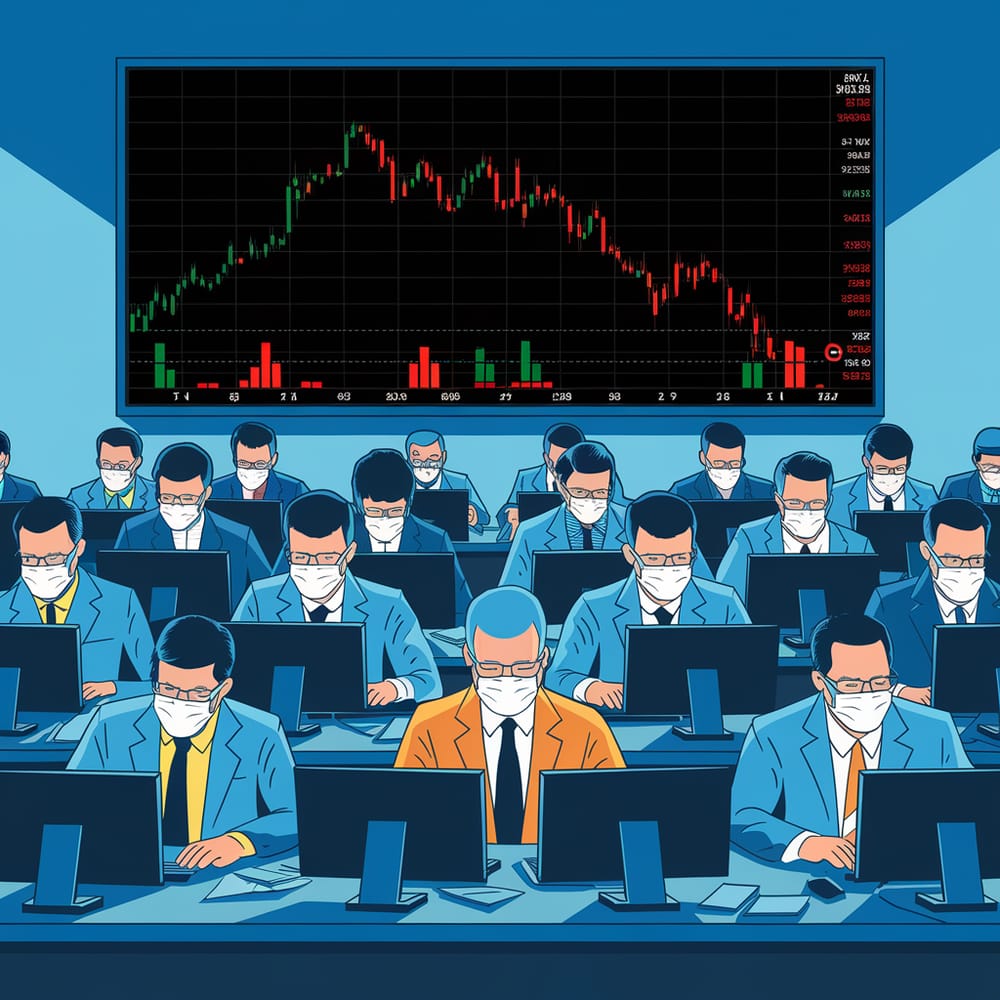
Even as the S&P 500 slides deeper into correction territory, retail investors are doubling down on stocks, pouring $7.3 billion into equities in just one week. Their enthusiasm stands in stark contrast to Wall Street professionals, who are growing more cautious amid Trump’s escalating trade war and fears of an economic slowdown.
Despite the market dropping 4 percent last week, individual traders increased their exposure to high-growth stocks and leveraged ETFs, betting on a rebound.
Retail Investors Ignore the Selloff
While big tech names like Tesla and Nvidia have taken a beating, retail traders aren’t backing down. JPMorgan data shows they have purchased over $4 billion in Tesla stock alone since last Tuesday, even as the company’s shares have fallen nearly 20 percent this month.
At the same time, traders funneled billions into leveraged ETFs, including the ProShares UltraPro QQQ (TQQQ) and Direxion Daily Semiconductors ETF (SOXL), which amplify market movements. Despite their risks, these funds saw more than $1 billion in inflows last week, showing that retail traders are still in buy-the-dip mode.
Will This Delay a Market Bottom?
Wall Street strategists argue that retail traders tend to be the last to exit a market downturn, meaning that a true market bottom may still be a ways off.
Jim Paulsen, a veteran strategist, noted that retail investors’ stock holdings exceeded their cash positions by 50 percent in February—more than double the levels seen during past corrections. Historically, the market doesn’t fully bottom out until retail traders start selling in large numbers, a trend that hasn’t happened yet.
This dynamic has left professional investors hesitant to call a market floor, as they wait for signals that retail traders are finally throwing in the towel.
What’s Next for the Market?
With Wall Street turning cautious and retail traders still in buying mode, the market remains at a crossroads. Upcoming catalysts include:
• Trump’s next tariff decisions, particularly the potential 200 percent tax on European wine and ongoing disputes with Canada and China.
• The Federal Reserve’s stance on rate cuts, which could shift depending on economic data and inflation trends.
• Earnings reports from major tech firms, which could either reignite investor confidence or fuel further declines.
For now, the battle between retail traders’ optimism and Wall Street’s caution continues, but history suggests that retail buying alone won’t be enough to stop the market from sliding further.
© Copyright 2024. All Rights Reserved.
© Copyright 2024. All Rights Reserved.