

Retail Traders Are Pulling Back, and It’s Hitting Brokerage Stocks
Tuesday, March 11, 2025
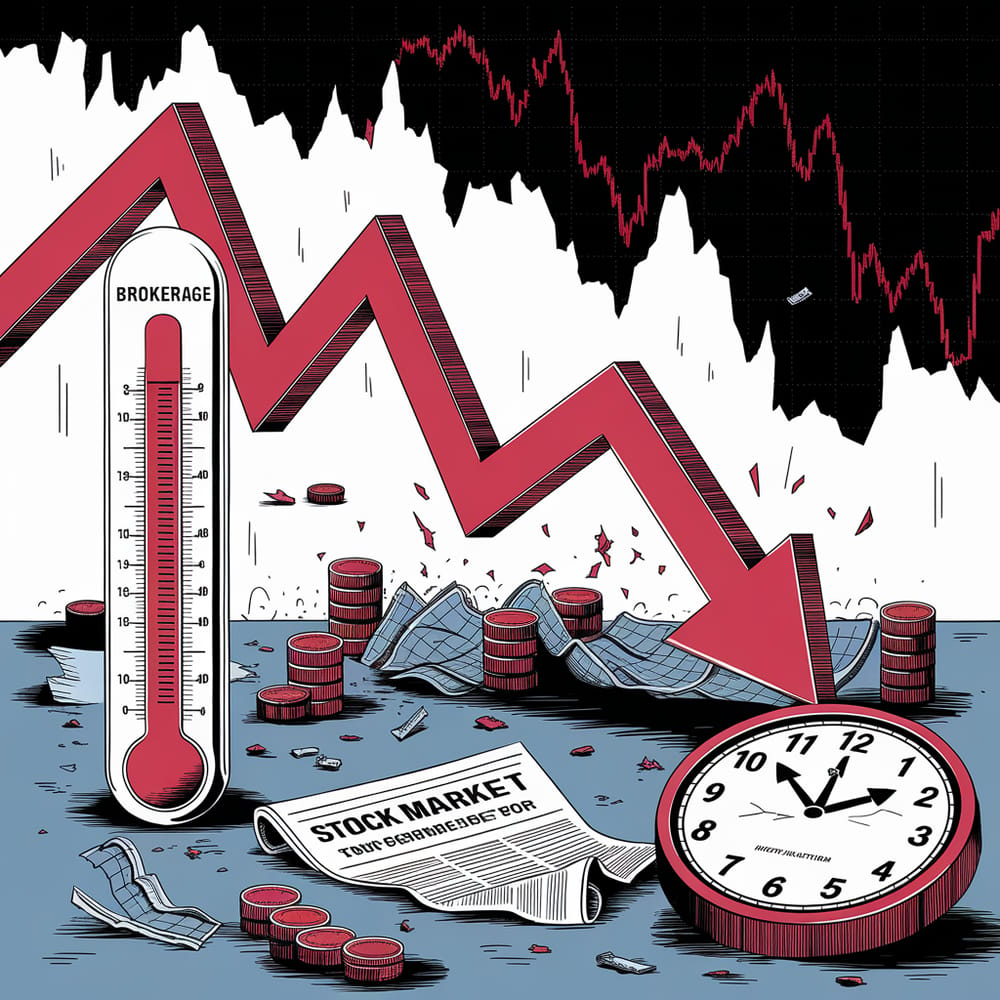
Retail traders, who fueled the stock market’s biggest rallies over the past few years, are now getting cold feet. As fears of an economic downturn grow, individual investors are pulling back, and that’s bad news for brokerage stocks.
On Monday, shares of Robinhood, Interactive Brokers, and Charles Schwab all suffered major losses. Robinhood dropped 19.8 percent, marking its worst single-day decline since August 2021. Interactive Brokers fell 13 percent, its steepest drop since 2009, while Schwab slid 4.5 percent, its biggest dip in over a year.
Why Are Retail Traders Backing Off?
For months, retail traders remained surprisingly resilient, even as inflation, rising interest rates, and global uncertainty shook the markets. But that confidence seems to be fading.
One major reason? President Trump’s comments on a potential recession. Over the weekend, Trump suggested the economy was in a “transition period” and didn’t rule out a slowdown. That spooked investors, leading to a sharp selloff across brokerage stocks, which thrive when markets are rising and trading activity is high.
Retail brokerages like Robinhood and Schwab make money from transaction fees, order flow, and interest on customer balances. When retail investors trade less or pull money out of the market, those revenue streams take a hit.
A Warning Sign for the Market?
According to JPMorgan’s latest report, retail investors tend to follow market momentum—putting more money in during bull markets and pulling back when things get rough.
History shows that retail activity often spikes during high-volatility periods but slows down significantly when markets enter prolonged downturns. This pattern was clear in 2022, when high inflation and aggressive Fed rate hikes pushed stocks into a bear market. During that period, Robinhood’s active users declined, its assets under custody shrank, and its revenues slumped.
This time, the decline in retail trading could signal a more cautious investor mindset. If everyday traders start pulling out en masse, it could create a negative feedback loop, dragging the market even lower.
What’s Next for Brokerage Stocks?
The brokerage industry’s future depends on whether retail investors regain confidence. If market volatility drives traders back in, firms like Robinhood and Schwab could see a rebound. But if economic uncertainty keeps investors on the sidelines, expect brokerage stocks to stay under pressure.
For now, Wall Street is watching closely. If retail traders aren’t willing to buy the dip, it could be a sign that the broader market is in for a tougher road ahead.
© Copyright 2024. All Rights Reserved.
© Copyright 2024. All Rights Reserved.