

Retail Sales and Producer Price Index (PPI) in Focus—Next Fed Data Triggers Ahead
Wednesday, August 12, 2026
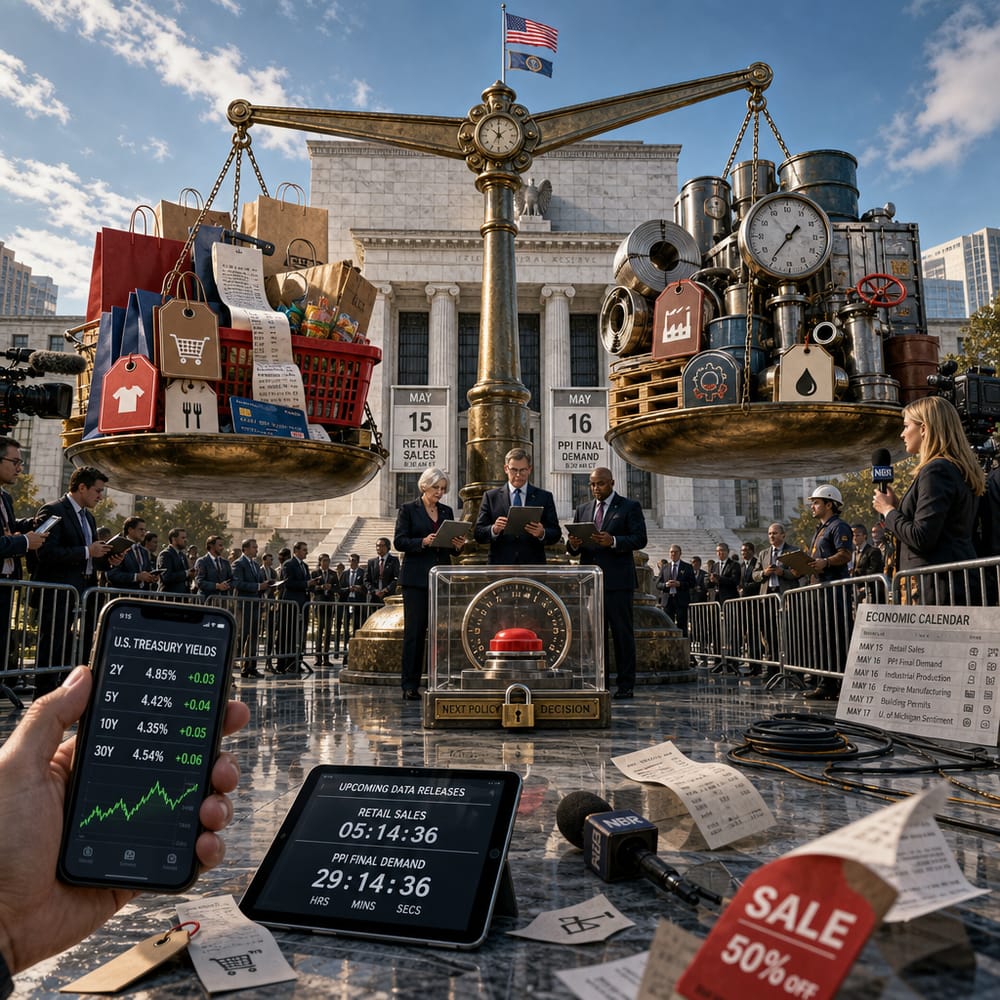
YOU'VE BEEN WARNED: RETAIL SALES AND PPI ARE ABOUT TO SHAKE UP THE FED'S GAME
Buckle up, folks, because the data rollercoaster is gearing up again and it's coming in hot. Next week, all eyes will be on the much-anticipated retail sales and Producer Price Index (PPI) data releases. Are these numbers just graphs and percentages? Not quite. For the Federal Reserve, these figures are like tea leaves, revealing the mysteries of consumer behavior and inflationary pressures. And trust me, they're about to set the stage for the Fed's next move. So, let's dive into what this could mean for the economy, your portfolio, and maybe even your grocery bill.
THE CRYSTAL BALL: WHAT TO EXPECT
First, let's chat about expectations because, frankly, that's half the game in finance—guessing what's coming next. For retail sales, we're expecting a mixed bag. On one side, there's a decent chance we'll see a positive tick, fueled by back-to-school shopping and a seemingly relentless appetite for tech gadgets. But let’s not ignore the flip side—rising interest rates have been squeezing consumer wallets like an overzealous aunt at Thanksgiving. If the data comes in soft, expect a collective sigh from investors worried about consumer confidence tanking.
The PPI, meanwhile, is the canary in the coal mine for inflation. If producer prices are climbing, it’s only a matter of time before those costs trickle down to you-know-who. Recent reports have shown some moderation in consumer inflation, but there's a jittery question mark about the PPI. If it spikes, the Fed might be tempted to crank up those interest rates like a DJ at a rave. Spoiler alert: Wall Street's not a fan of aggressive rate hikes.
THE FED'S DILEMMA
Speaking of the Fed, they’re in a bit of a pickle. The economy is playing a cruel game of Jenga, and the Fed's job is to pull out just the right blocks without toppling the tower. These upcoming data releases will weigh heavily on their next policy decisions. Retail sales and PPI aren't just numbers; they're part of a much bigger picture that makes Fed officials either sleep soundly or toss and turn all night.
If retail sales show strength, it might ease some worries about the economy slipping into recession territory. However, throw in a hot PPI and you might as well add more fuel to the inflation fire, prompting the Fed to stay hawkish. Translation? Higher interest rates could be here to stay longer, which isn’t great news if you’re looking to buy a car or refinance your mortgage.
MARKET REACTIONS: FASTEN YOUR SEATBELTS
So, what happens after these numbers drop? Well, market reactions could be as unpredictable as a season finale of your favorite drama series. If both retail sales and PPI align with market expectations, there might be a collective exhale and a stable, albeit cautious, market movement.
But should the numbers surprise—either dramatically high or low—you might want to brace for impact. A strong retail sales report paired with a tame PPI could boost stock markets, giving equities an adrenaline shot. On the other hand, a decline in retail sales or an uptick in PPI might send traders into a sell-off frenzy faster than you can say "interest rate hike."
For sectors specifically, retail and consumer stocks could see some action. If retail sales shine, retailers might ride a wave of optimism, with potential gains for those invested in consumer staples and discretionary sectors. Meanwhile, a higher PPI could knock industrial and manufacturing stocks, as increased production costs threaten margins.
WHAT THIS MEANS FOR YOU
If you’re a regular retail investor, here’s the takeaway: stay nimble. These data points are essential, but they’re not the end-all-be-all. The upcoming reports will come with a dash of drama, and while the Fed's next steps will be closely tied to them, it's your job to keep calm and sift through the noise. Stay informed, keep your strategy flexible, and remember, sometimes inaction is the best action.
In short, prepare for a week where your phone buzzes more than a barista’s apron during the morning rush. But don’t panic or make rash decisions. Keep your eyes on the data, watch the Fed’s moves, and maybe keep an eye on those lettuce prices too—who knew vegetables could be such a risky investment?
This article is for informational purposes only and is not investment advice. Always do your own research or consult a licensed financial professional before making investment decisions.
© Copyright 2024. All Rights Reserved.
© Copyright 2024. All Rights Reserved.