

Renters, Brace Yourselves: The Era of Cheap Apartments Is Over
Friday, February 14, 2025
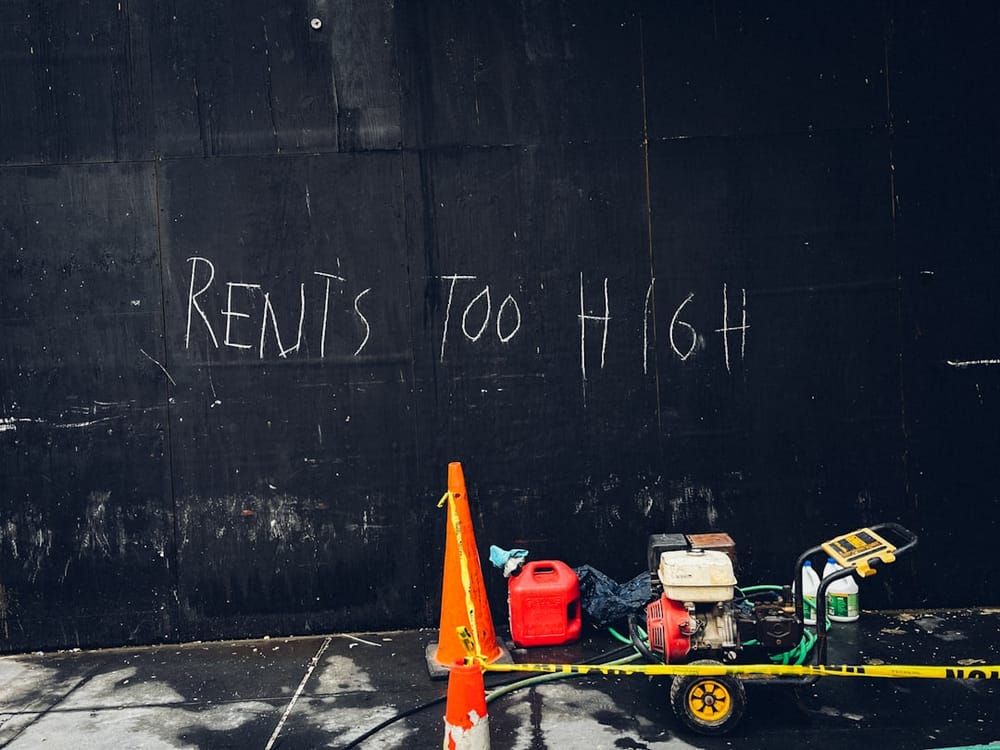
Remember when rents were dropping, and landlords were practically begging tenants to sign leases? Well, that party is over. The rental market is shifting fast, and it’s looking a lot less friendly for those hunting for an affordable place to live.
For the past couple of years, an apartment construction boom flooded the market, especially in hot spots like Austin and Phoenix. That surplus meant tenants had leverage—rents dipped, move-in deals were everywhere, and landlords had to play nice. But those days are numbered.
Why Rents Are About to Climb Again
Here’s the deal: More people are renting longer because buying a home feels like a financial Everest. With mortgage rates still high and homeownership slipping out of reach for many, the demand for rentals is growing. Meanwhile, all that excess apartment construction? It’s slowing down. The pipeline of new buildings is drying up, and by the end of the year, landlords will hold the upper hand again.
Lee Everett, head of research at multifamily real estate giant Cortland, put it bluntly: “The relationship is going to very quickly flip from a renter-friendly environment to a landlord-friendly environment.” Translation? Get ready to pay more.
The Fed’s Inflation Headache
If you think higher rents are just a problem for tenants, think again. Rising housing costs will throw a wrench into the Federal Reserve’s efforts to control inflation. Shelter costs make up roughly a third of the Consumer Price Index (CPI), so when rents go up, so does inflation. That means the Fed might hesitate to cut interest rates anytime soon.
Lisa Sturtevant, chief economist at Bright MLS, isn’t mincing words: “It will be very hard for the headline inflation number to reach the Fed’s 2% goal without a slowdown in housing costs.”
January’s shelter costs rose 4.4% from last year, the slowest increase since 2022. But if rent hikes pick up steam, that progress could unravel fast. Already, rents are creeping up in cities where new apartment supply is tighter—think the Midwest, Northeast, and parts of the West Coast. By the end of the year, expect rent increases across the board.
Politics & Policies: What’s Making It Worse?
The rental squeeze isn’t just about supply and demand. Policy changes could make things even tougher. Former President Trump has floated plans that would likely make housing construction more expensive—think deportations tightening the labor market and tariffs making building materials pricier. That’s bad news for renters because higher costs for landlords usually mean higher rents.
The National Association of Home Builders (NAHB) is already sounding the alarm, warning that tariffs could drive up costs and slow down much-needed housing development.
Meanwhile, the number of permits for new multifamily buildings in the South—a rental construction hotspot—is already 4% below pre-pandemic levels, according to Census Bureau data analyzed by Bank of America. That means fewer new apartments on the horizon, tightening supply just as demand is picking up.
The Rental Market’s New Reality
If you thought the competition for apartments was fierce before, buckle up. Vacancy rates are now lower than their long-term average, meaning more renters are fighting for fewer available units. Last year, an average of nine renters competed for every open apartment, according to RentCafe.
Just ask Amber Melhouse, a Brooklyn renter who got a brutal taste of today’s market. When her landlord hiked her rent from $4,250 to $5,600 (yes, you read that right), she tried to find a new place. She sent out 60 inquiries—only to realize she was often competing against a dozen other applicants. After months of searching, she gave up and started renting out a spare room instead. “It’s just a sport I don’t have an appetite for anymore,” she said.
Investors Are Betting Big on Rising Rents
Real estate investors see the writing on the wall—and they’re making moves. Big landlords like Equity Residential are snapping up properties in places like Atlanta and Denver, betting that rents will bounce back in 2025. Some investors who left the Sunbelt market are now jumping back in, convinced that rent growth is about to surge.
Danny Fishman, CEO of Gaia Real Estate, says his firm is getting ahead of the wave. “We assume that the second half of 2025 into 2026 will be back to rent growth,” he said.
What’s Next?
For renters, the next year is shaping up to be a tough one. If you’re already locked into a lease, hang onto it. If you’re searching for a new place, expect competition to be fierce. And if you were hoping that buying a home would be a way out of rising rents? With mortgage rates still high, that might not be a realistic escape hatch.
Meanwhile, politicians who promised relief on housing costs could find themselves under pressure. “This is chaos on steroids,” said Virginia Senator Mark Warner, who fears that renters will bear the biggest burden in the coming months.
One thing is clear: The days of renter-friendly deals are fading fast. If you’re looking for a new place, you might want to start the search sooner rather than later—before landlords start calling the shots again.
© Copyright 2024. All Rights Reserved.
© Copyright 2024. All Rights Reserved.