

Real Wages Shrink as Inflation Outpaces Income
Sunday, August 16, 2026
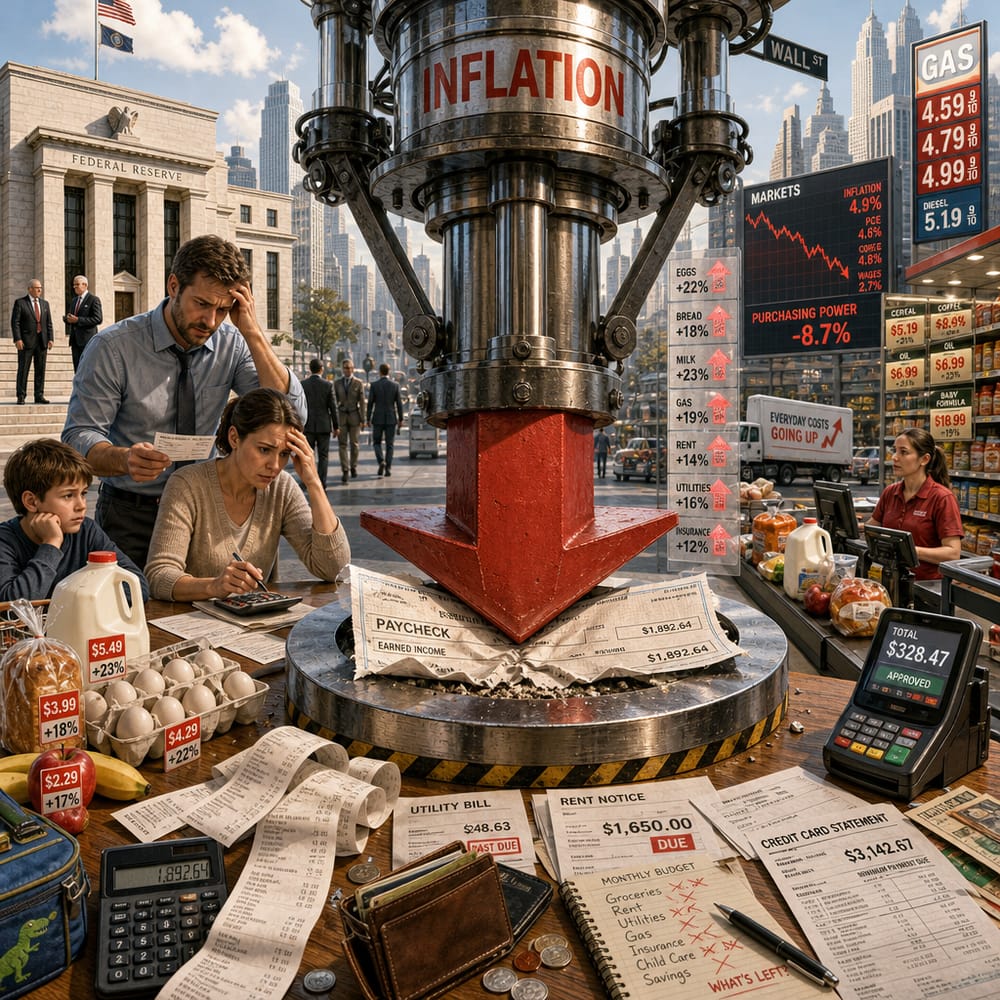
REAL WAGES SHRINK AS INFLATION OUTPACES INCOME
Picture this: you open your paycheck and see a nice bump in your salary. You should be out celebrating, right? But then you head to the grocery store and realize your usual haul costs way more than it did last month. Welcome to the reality of 2026, where real wages—the kind of money that actually means something after inflation takes its cruel cut—are shrinking faster than your favorite white T-shirt in the dryer.
You might feel like you're running on a treadmill that’s speeding up while you're stuck on the same old setting. So, what’s going on here? It's the classic inflation versus income tug-of-war, and, spoiler alert, inflation is winning. You see, while your boss may be handing out raises, the relentless rise in the cost of living is snatching away any extra cash and then some. In simple terms? You’ve got more dollars, but they’re not stretching as far as they used to.
THE INFLATION SQUEEZE
Inflation is the sneaky thief in this story, slipping into every corner of the economy and lifting a little from everyone. But why does it matter? Because it hits different groups in different ways. Consider younger workers just stepping into the job market. They’re typically the last to see any wage hikes, so they’re bearing the brunt of price increases more than seasoned employees who might have negotiated raises before this whole mess started.
Then there’s the geographical angle. Living in a big city like New York or San Francisco means shelling out more for everything from rent to ramen noodles. But while urban workers might see larger nominal (a fancy term for “on paper”) wage increases, rural areas often lag behind, leaving their residents even further behind in real terms.
CONSUMER SPENDING AND THE FED'S BIG HEADACHE
Let’s talk consumer spending, the lifeblood of the U.S. economy. When people feel flush with cash, they spend more, and the economy buzzes happily. But when their real incomes shrink, those spending sprees turn into penny-pinching marathons. This spells trouble for businesses, big and small.
For the Federal Reserve, the rise in inflation and the corresponding drain on real wages is like trying to drive with a foggy windshield. The Fed wants to encourage consumer spending, but inflationary pressures mean they have to consider applying the brakes with interest rate hikes. Inflation outpacing wage growth can stifle economic growth if consumers start tightening their wallets.
Fed policymakers, therefore, find themselves in a pickle. Raise interest rates to cool inflation, and they risk dampening economic growth further. Leave rates alone, and inflation might keep running wild. It's a delicate balancing act that affects not just Wall Street, but Main Street too—every decision ripples out to affect the cost of loans, mortgages, and even the stock market's mood swings.
THE RIPPLE EFFECT
So, what does this mean for you and your neighbors? If families have to fork over more for basic needs, they’re inevitably spending less on things like eating out, new gadgets, or that summer vacation that’s looking less likely by the day. This downturn in consumer spending could send shockwaves through various sectors, from retail to tourism, and even tech.
And while inflation's grasp isn't loosening, neither is the discussion around how to tackle it. Policymakers have their work cut out for them as they weigh the consequences of their actions on different demographics and regions. It's a game of chess with US households as the pawns.
As we frantically check the price tags at our local stores, one thing is clear: understanding the tug-of-war between inflation and real wages is more critical now than ever. So next time you hear about economic measures in the news, listen closely—it’s not just market jargon, it’s a roadmap to how soon you might afford that vacation getaway or just keep on enjoying your daily latte. Because in 2026 America, every dollar counts just a little bit more than it used to.
This article is for informational purposes only and is not investment advice. Always do your own research or consult a licensed financial professional before making investment decisions.
© Copyright 2024. All Rights Reserved.
© Copyright 2024. All Rights Reserved.