

Real Estate Sector Leads in Recent Market Rotation
Friday, October 09, 2026
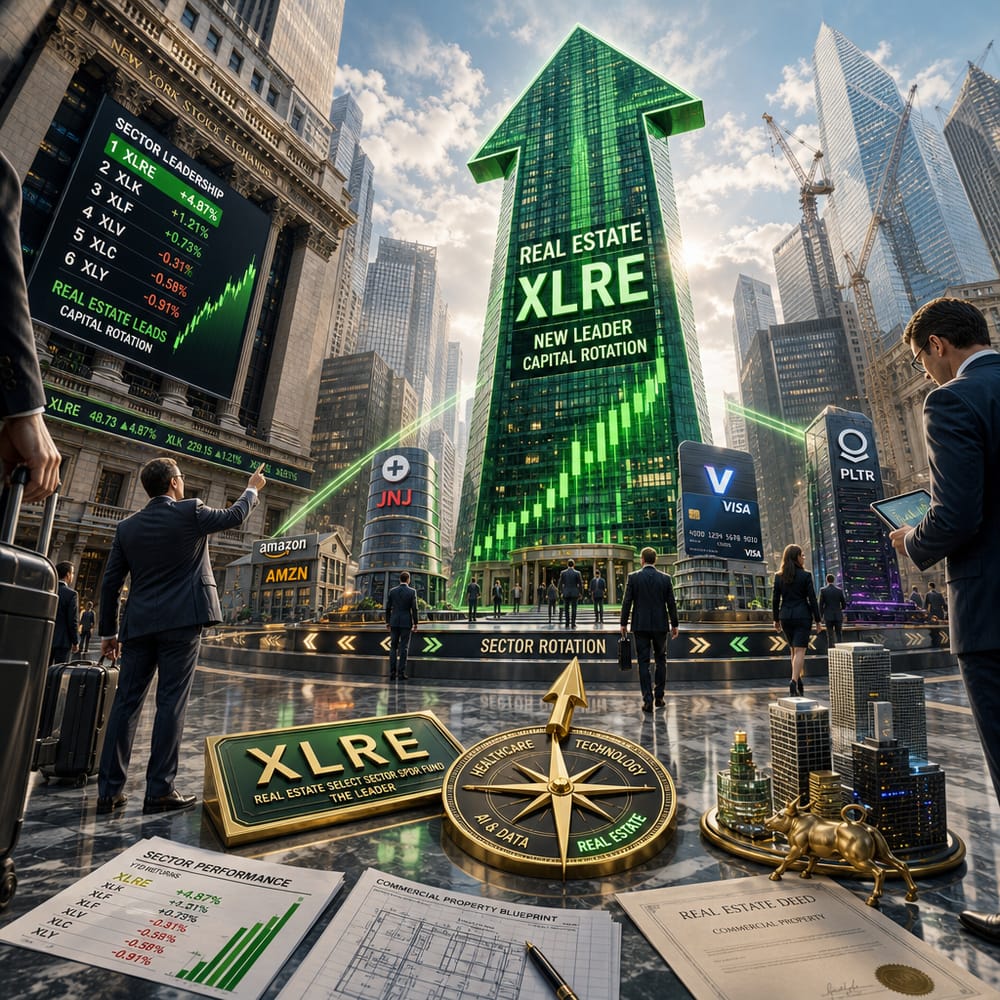
THE REAL ESTATE RENAISSANCE: WHERE WALL STREET'S MONEY IS MOVING NOW
Hold onto your wallets, folks! The real estate sector is strutting its stuff on Wall Street's catwalk, leaving tech stocks looking like yesterday's fashion. This isn't just a passing trend; it's a seismic shift in investor sentiment. And no, you're not dreaming—while the tech titans are trying to regroup after taking a few hits, real estate is out here channeling its inner Beyoncé, reminding us all who's boss.
So why is everyone suddenly fawning over bricks and mortar? It’s simple: Stability. As global markets quake under the pressure of geopolitical tensions—like those pesky tanker attacks in the Strait of Hormuz—investors are finding solace in the steady, reliable returns that real estate offers. Aren't you just tired of the unpredictability of tech stocks? One day you're riding high with Amazon, the next you're wondering if you should have stuck with something more, well, tangible.
WHAT'S DRIVING THE SWITCH?
Interest rates are the not-so-secret puppet masters of the real estate world. With the Federal Reserve hinting at a pause in rate hikes, real estate investments shine brighter than a freshly polished skyscraper. After all, lower interest rates mean cheaper loans, and cheaper loans mean more people buying houses, office spaces, and commercial properties like they're on a retail therapy binge.
But wait, there's more! As inflation worries bubble up like a pot of overly eager pasta, investors are craving assets that can offer stable income. Enter real estate: the hero we didn't know we needed. With rental income often pegged to inflation, this sector becomes the go-to option for those looking to keep their portfolios from wilting like neglected houseplants.
TECH'S TOUGH TIME
While real estate's basking in the glow of adulation, the tech sector is in a bit of a rough patch. Sure, the Nasdaq saw a bit of a rebound, but the underlying concerns remain. The AI trade that once had everyone buzzing is now facing scrutiny as the rapid advancement seems to be slowing down. Companies like Palantir Technologies might have clawed back some gains, but it's not all sunshine and rainbows in techland.
Don't forget the drama over at chip central. With massive trades in Micron and Nvidia grabbing headlines, investors are left jittery about the future of semiconductors. Imagine betting on a horse and then realizing it might not even get to the starting gate.
OPPORTUNITIES AND RISKS
So, what should savvy investors do while the market's in a tizzy? Look for opportunities, of course! Real estate funds like XLRE are reaping the benefits of this sector rotation. But remember, every silver lining has its cloud. The real estate market isn't without its risks. A sudden spike in interest rates could flip the script faster than you can say "housing bubble."
Also, there’s the wild card of a potential economic slowdown. If businesses start tightening their belts, demand for commercial spaces could dwindle faster than a New Year's resolution to hit the gym. And let's not forget the impact of those unpredictable events around the world; they can sometimes bring surprises that the market hasn't priced in.
The seasoned investor knows to keep a diversified portfolio, but the shift towards real estate is compelling. As sentiment tilts towards stable, income-generating investments, the key is to be observant and adaptable. Keep an eye on interest rate announcements like a hawk stalking its prey.
CONCLUSION
As the Wall Street seesaw tips towards real estate, it's clear we're witnessing a pivotal moment. For now, the concrete jungle seems safer than the virtual one. Whether you're a seasoned market player or just a curious observer, this rotation signals a broader theme in investment strategies focused on stability amid uncertainty. So, grab your popcorn—or should we say property listings?—and get comfortable. The real estate renaissance is here, and it's making Wall Street a whole lot more interesting.
This article is for informational purposes only and is not investment advice. Always do your own research or consult a licensed financial professional before making investment decisions.
© Copyright 2024. All Rights Reserved.
© Copyright 2024. All Rights Reserved.