

Q2 Bank Earnings Preview: JPMorgan & Co
Thursday, July 02, 2026
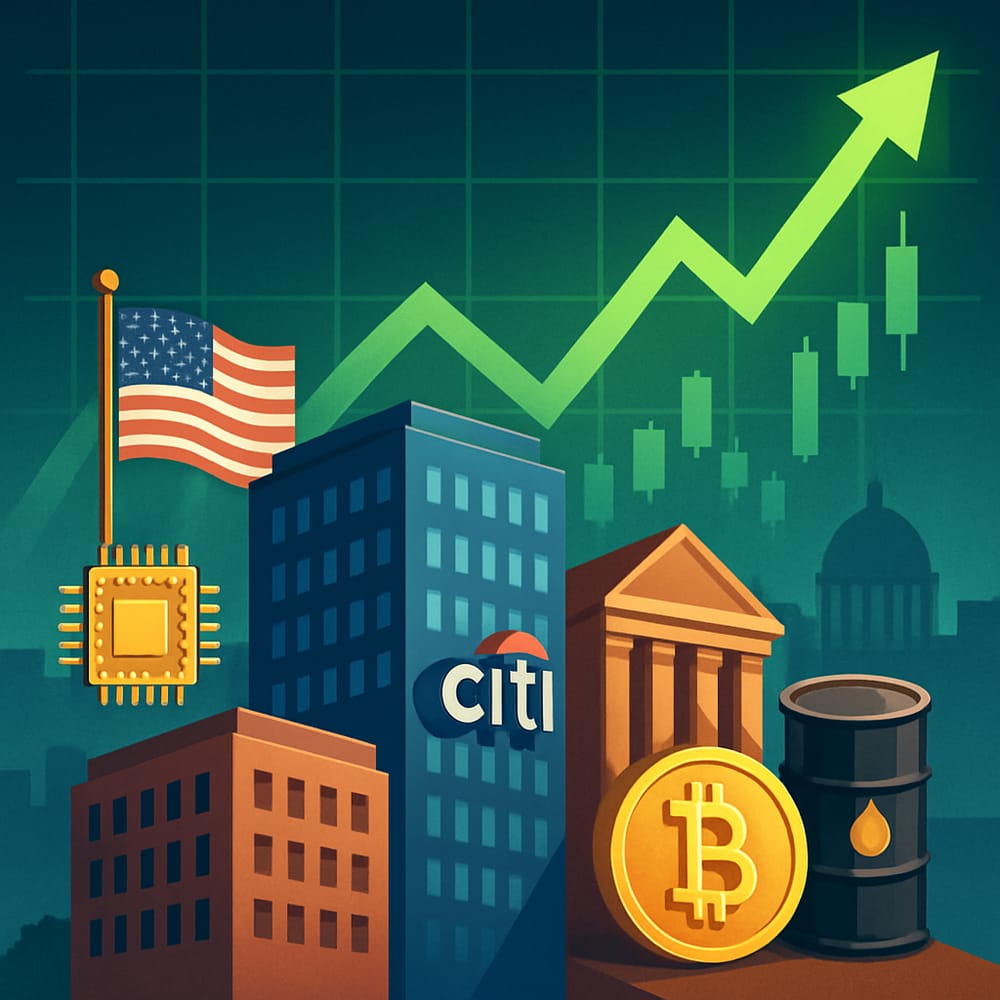
THE GREAT BANK EARNINGS WATCH: WHAT TO EXPECT FROM JPMORGAN AND FRIENDS
Grab your popcorn (and a spreadsheet, if you're feeling spicy), because it's earnings season, and the banks are taking the stage. As we settle in for the quarterly tradition of Wall Street show-and-tell, the spotlight is shining brightly on the heavyweights: JPMorgan, Citigroup, and Bank of America. These financial titans aren't just money machines—they're economic barometers, offering crucial insights into everything from interest rates to consumer credit health. So, what should you be watching for in this season's plot twist?
INTERESTING TIMES FOR INTEREST MARGINS
Let's start with net interest margins (NIM), the bread and butter of bank profits. In layman's terms, NIM is the difference between what banks earn on loans and what they pay in interest on deposits. It's the financial equivalent of buying low and selling high. But here's the rub: as the Federal Reserve plays coy with its rate decisions, banks are left dangling, and so are their margins.
JPMorgan, the heavyweight champion in this trio, is expected to give us a glimpse of how it's navigating this temperamental terrain. Will they reveal a widening gap thanks to previous rate hikes, or have pressures kicked in, squeezing their margins tighter than your pants after Thanksgiving dinner? Keep an eye out for any chatter about the future rate forecast—though given Fed Chairman Kevin Warsh's recent reticence, don't bet on any crystal-ball revelations.
LOAN GROWTH: A LOVE STORY IN THE MAKING?
Next on our watchlist: loan growth. Banks and loans are like peanut butter and jelly. As consumers and businesses borrow more, banks earn more. But with the economy doing its "will it, won't it" dance regarding potential slowdown, banks could see their loan books taking a hit. Or, plot twist, they might be steady, with growth quietly plodding along like a dependable sidekick.
Pay particular attention to Citigroup and Bank of America here. These two have been courting corporate clients and consumers alike, flaunting attractive credit products. We'll want to see if their efforts are paying off, or if they're left holding the proverbial bouquet of wilted flowers.
CREDIT LOSSES: ARE THE ALARMS RINGING?
Now, onto credit losses. If banks are the economy's heartbeat, then credit losses are the cholesterol levels. Too high, and we're talking about a potential heart attack. As inflation remains a nagging concern, consumers might start skimping on their payments, especially if rates rise and pockets get pinched.
The big question is: Are banks starting to see cracks in the consumer credit facade? Watch for any increases in provisions for credit losses—essentially, money set aside for loans that might go sour. A spike here could be an ominous sign that all's not well in the state of consumer finances.
THE BIGGER PICTURE
Why should you care about these bank earnings? Beyond the sheer drama of watching financial titans grapple with economic forces, bank earnings offer insights into the economic ecosystem. When JPMorgan, Citigroup, and Bank of America reveal their numbers, they're not just talking about themselves; they're telling a story about the economy at large.
If you're an investor, this is your chance to glean nuggets of wisdom about where to place your chips. Are banks cautious, or are they bullish about the future? How are they managing risks in a potentially volatile market? The answers to these questions can help you make informed decisions about where to put your money.
So, as these banking behemoths prepare to open their books, get ready for a financial rollercoaster ride. With interest margins, loan growth, and credit losses at the forefront, this earnings season promises plenty of intrigue. Whether you're an investor, a market enthusiast, or just here for the corporate drama, one thing's for sure: you won't want to miss this show.
This article is for informational purposes only and is not investment advice. Always do your own research or consult a licensed financial professional before making investment decisions.
© Copyright 2024. All Rights Reserved.
© Copyright 2024. All Rights Reserved.